




HVAC Horizons: 2026 Industry Report: Why 2026 Is a Turning Point
2026 is shaping up as a pivot year for heating and cooling. In this HVAC Horizons: 2026 Industry Report, we frame the landscape through three forces: electrification, digitalization, and decarbonization. Tighter efficiency rules and workforce upskilling are rewriting how systems are specified, installed, and serviced. We build this outlook on 30+ years in the field and over 200,000 systems supplied and supported.
You will see how smart controls and predictive analytics act like a fitness tracker for a building, turning real time data into fewer surprises and better comfort. We map where proactive maintenance yields the greatest return, outline typical payback windows of about 1.5 to 4 years when incentives apply, and translate 2026 code shifts into clear choices that keep equipment efficient, safe, and resilient.
For homeowners, building operators, and contractors the stakes are practical and high: steadier comfort, lower energy bills, healthier indoor air, and longer lifespans when equipment is selected and maintained correctly. Our aim is to give you a field tested playbook for the year ahead, so decisions made in 2026 perform for the next decade.
Market & Regulatory Outlook: SEER2, A2L Refrigerants, and Regional Differences
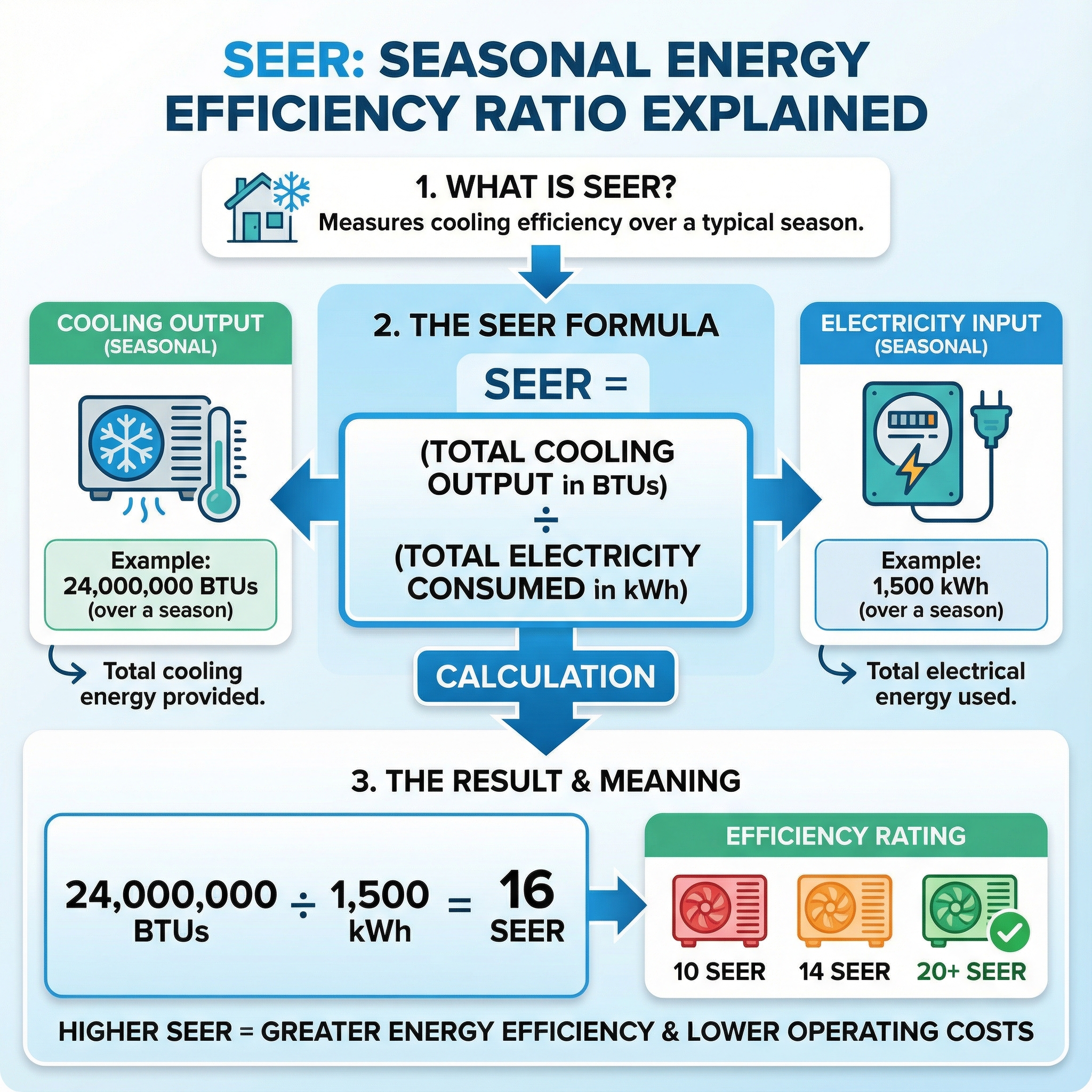
By 2026, buyers and specifiers are navigating two big pivots at once: new efficiency baselines under SEER2 and the transition to low GWP A2L refrigerants. SEER2 replaced SEER in 2023, and the minimums now vary by region, like a speed limit that changes at state lines. For example, in the Southeast and Southwest, split systems under 45,000 BTU must meet 14.3 SEER2, while 45,000 BTU and above must meet 13.8 SEER2.
- A2L transition: Under the AIM Act, new central AC installs are expected to use A2L refrigerants by January 2026. R 32 and R 454B are becoming the default, and we have seen this shift influence availability, pricing, and installation practices. Local permitting and code acceptance are central to timelines.
- Incentives versus code: Federal incentives such as the 25C tax credit typically require roughly 17 SEER2 and 12 EER2 for split systems, which pushes many projects above the regional minimums.
- Local factors: Building codes, A2L permitting, and utility demand response programs shape the final spec and schedule.
The practical path is to align A2L compliance, regional SEER2 and EER2 baselines, and where incentives justify stepping into higher tiers.
Drivers of Change: Electrification, Heat Pumps, and Digital Services
By 2026, the center of gravity shifts from squeezing out minor efficiency gains to full electrification, digitalization, and decarbonization. Heat pumps and other electric HVAC options are the growth engines where policy and incentives are supportive, although adoption still varies by region. Electrification matters because it uncouples comfort from combustion and opens the door to cleaner grids over time. Digital services matter because they turn equipment into a managed asset. Think of connected HVAC like a fitness tracker for a building, proving performance instead of guessing.
Owner priorities are evolving toward lower lifecycle costs, reliability, and verifiable carbon reductions, which favors integrated hardware plus service packages. Vendors that unify IoT connectivity, predictive maintenance, and performance-based service models capture more aftermarket value and keep systems tuned to spec. In our experience at Budget Heating (BudgetHeating.com), projects that pair right-sized electric equipment with connected controls are simpler to validate, easier to maintain, and better aligned with incentive structures and reporting needs. The winners will design for outcomes, not just nameplate ratings.
Smart Controls, IoT and the Case for Predictive Maintenance
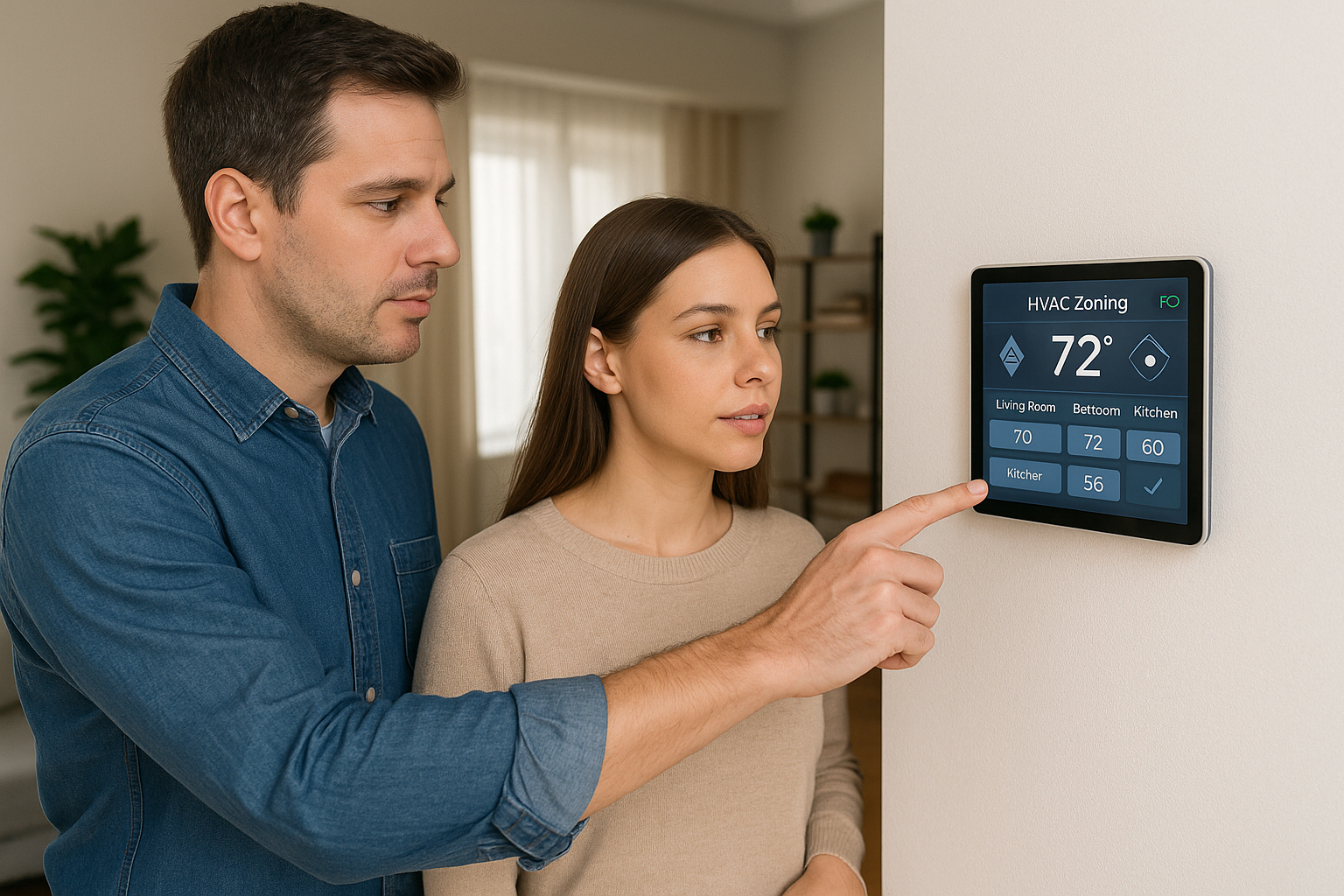
Smart controls tie thermostats, zones, and sensors into one brain. In our experience, it works like cruise control for a building: output matches occupancy, weather, and indoor conditions. That alone routinely cuts HVAC energy 10-20%, whether by staging compressors, trimming supply air setpoints, or pre conditioning spaces before peak rates.
When those controls feed IoT analytics and automated fault detection, unplanned service drops. Facilities typically see 25-40% fewer emergency repair events, which moves spend from middle-of-the-night calls to planned maintenance windows and keeps spare parts predictable.
Proactive maintenance is the backbone: regular filter changes, coil cleaning, refrigerant charge verification, and control calibration. That preserves SEER2/EER2 performance, protects warranties, reduces downtime, and can add years to equipment life.
Upskilled teams that understand A2L refrigerants, advanced controls, and data driven maintenance close the loop with safer installs and fewer callbacks.
Installation & Maintenance Playbook: What's Missing and What Installers Should Know
The dossier omits a prescriptive safety and maintenance guide, a myths or common mistakes catalog, and a homeowner checklist. Treat the manufacturer manual like the torque spec for an engine, it governs the job. We recommend installers do the following:
- Follow current manufacturer install, startup, and service procedures.
- Verify updated local codes and utility requirements, especially under SEER2 and the A2L transition.
- Invest in A2L and inverter technology training.
- Document commissioning: airflow, external static, charge method, and leak checks.
- For homeowners, seek tailored checklists from contractors and local programs.
Heat Pump Adoption & Efficiency Metrics: Understanding SEER2, EER2 and Real-World Performance
SEER2 is now the primary seasonal cooling metric. It uses tougher lab conditions, notably higher external static pressure that mimics real ductwork, so numbers often look lower than legacy SEER for the same unit, yet they map better to real bills. Think of it like MPG measured on a hill instead of a flat track.
EER2 measures full-load efficiency at 95 F. In hot climates and peak hours, EER2 is the guardrail for how costly your worst days get, and many programs require it alongside SEER2. Variable-speed, inverter-driven heat pumps shine here: by modulating capacity, they avoid on-off spikes, keep coils at sweet-spot temperatures, and hold efficiency when the mercury climbs, raising both comfort and EER2.
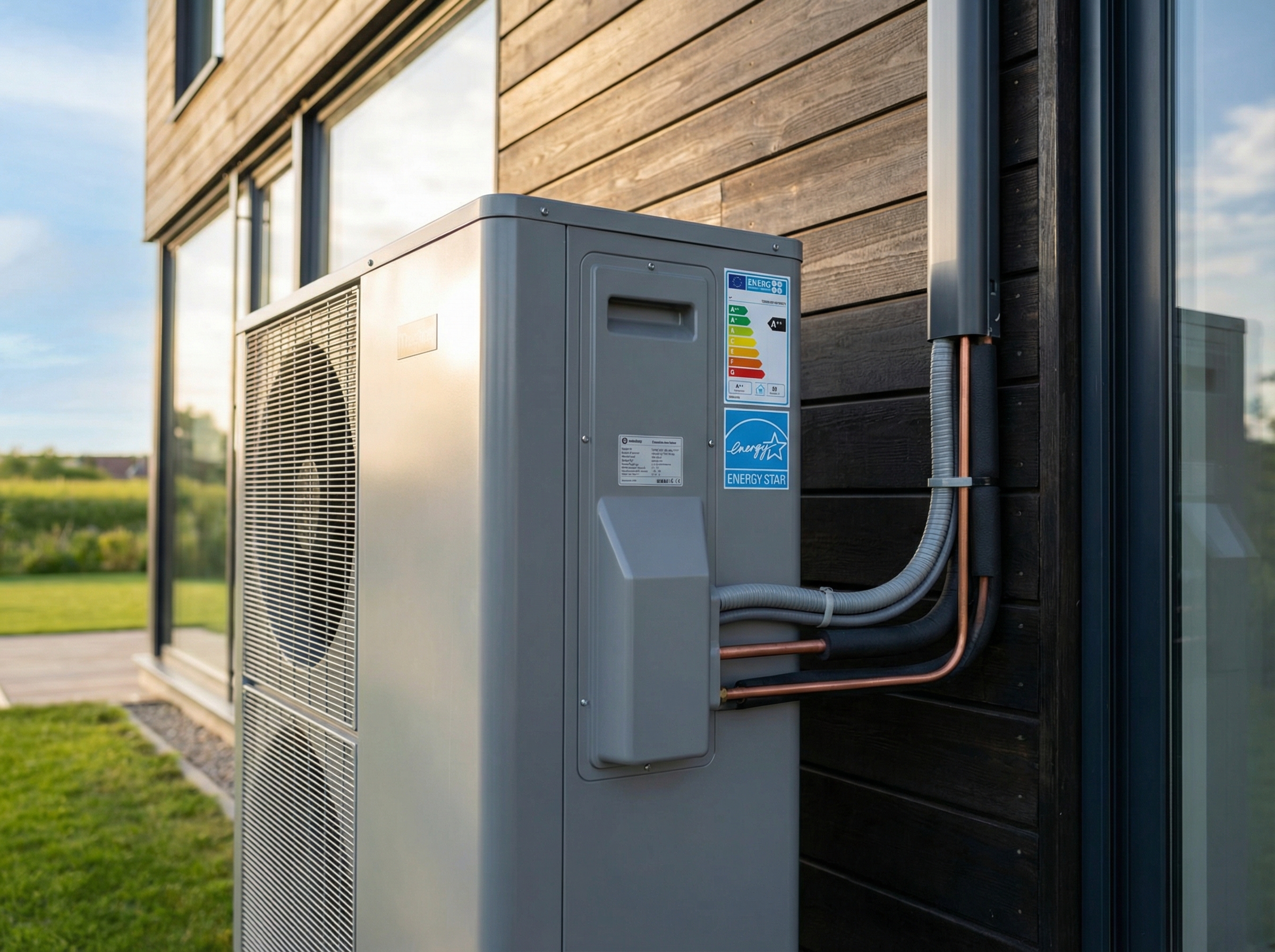
Most residential systems land around 13.4 to 18 SEER2, with the top end dominated by variable-speed designs. Incentives often push buyers above code, commonly around 17 SEER2 and 12 EER2. In our experience at Budget Heating (BudgetHeating.com), we are also seeing the move to low-GWP refrigerants arrive with higher efficiencies and demand-response readiness, so a growing share of models qualify for upper tiers.
Limitations & Tradeoffs: When Electrification or Smart Upgrades Aren't the Best Option
Electrification and advanced controls shine in many projects, but we see cases where they are not ideal.
- If the local grid is strained, peak loads from all electric heat can trigger high demand charges. A hybrid dual fuel setup or adding thermal storage and zoning beats a full electric changeover.
- Where A2L refrigerant codes and permits are evolving, installation is more complex and requires trained personnel. Packaged gas heat with electric cooling, or dual fuel systems that limit refrigerant in occupied areas, can be safer choices while jurisdictions catch up.
- When timelines are tight and budgets face price volatility, technician shortages and supply chain risk can push lead times out. A conventional split or packaged unit with widely available parts, or a targeted repair plus air sealing, may deliver better value.
These project constraints and grid integration limits increase the need for workforce upskilling, modular solutions, and demand management, not one size fits all electrification.
Economics & Payback: Expected Savings, SEER2 Uplift, and Typical Payback Windows
From field installs, we use these quick rules of thumb to estimate savings and payback before a full model:
- SEER2 uplift: Moving from 13.4 to 16 SEER2 cuts cooling energy about 16 percent. Going to 17 SEER2 is roughly a 21 percent drop.
- Bill impact: At $0.15 per kWh and about 2,000 kWh per year, 16 SEER2 saves about $48 to $60 annually. 17 SEER2 saves about $60 to $90.
- Controls: Smart thermostats, zoning, and sensor-driven control typically trim HVAC energy 10 to 20 percent. Predictive analytics can reduce emergency repairs about 25 to 40 percent.
- Payback: Combining operational savings with incentives, retrofit payback often falls around 1.5 to 4 years, with commercial sites toward the higher end.
- Lifecycle: Over 10 to 15 years, energy and avoided maintenance, plus comfort gains, can offset a substantial part of the upfront premium.
Results depend on location, tariffs, and usage, so model several scenarios.

Business Models & Financing: Services, Rebates, and Risk Management
When material prices swing, we see smart vendors shift from product-only sales to outcomes: maintenance, monitoring, and performance guarantees. Buyers pair that with rebates, on-bill financing, and performance contracts to reduce the upfront hit and share risk. Bundling services with integrated financing compresses payback and keeps high-efficiency upgrades feasible even as quotes age. Think of it like locking a fixed-rate plan for the system, not just the install. Aligned with the lifecycle value premise, these models turn capex into planned operating cost and protect budgets from volatility.
Practical Takeaways: How Manufacturers, Contractors and Owners Win in 2026
The 2026 picture is solid: moderate to strong growth from retrofits and new electric systems, if policy support, workforce capacity and digital services line up. Manufacturers: deliver IoT connectivity, predictive maintenance and performance-based offerings. Contractors: invest in training, choose modular packages and include demand management. Owners: phase upgrades to match codes, supply chains and grid limits. We know budgets and timelines matter, and our team can translate this into a staged equipment plan.
- Get a Custom Quote
- Talk to Our Team by phone, U.S.-based support
- Shop Heat Pumps