




Why HVAC Is Mission-Critical for Sports Facilities
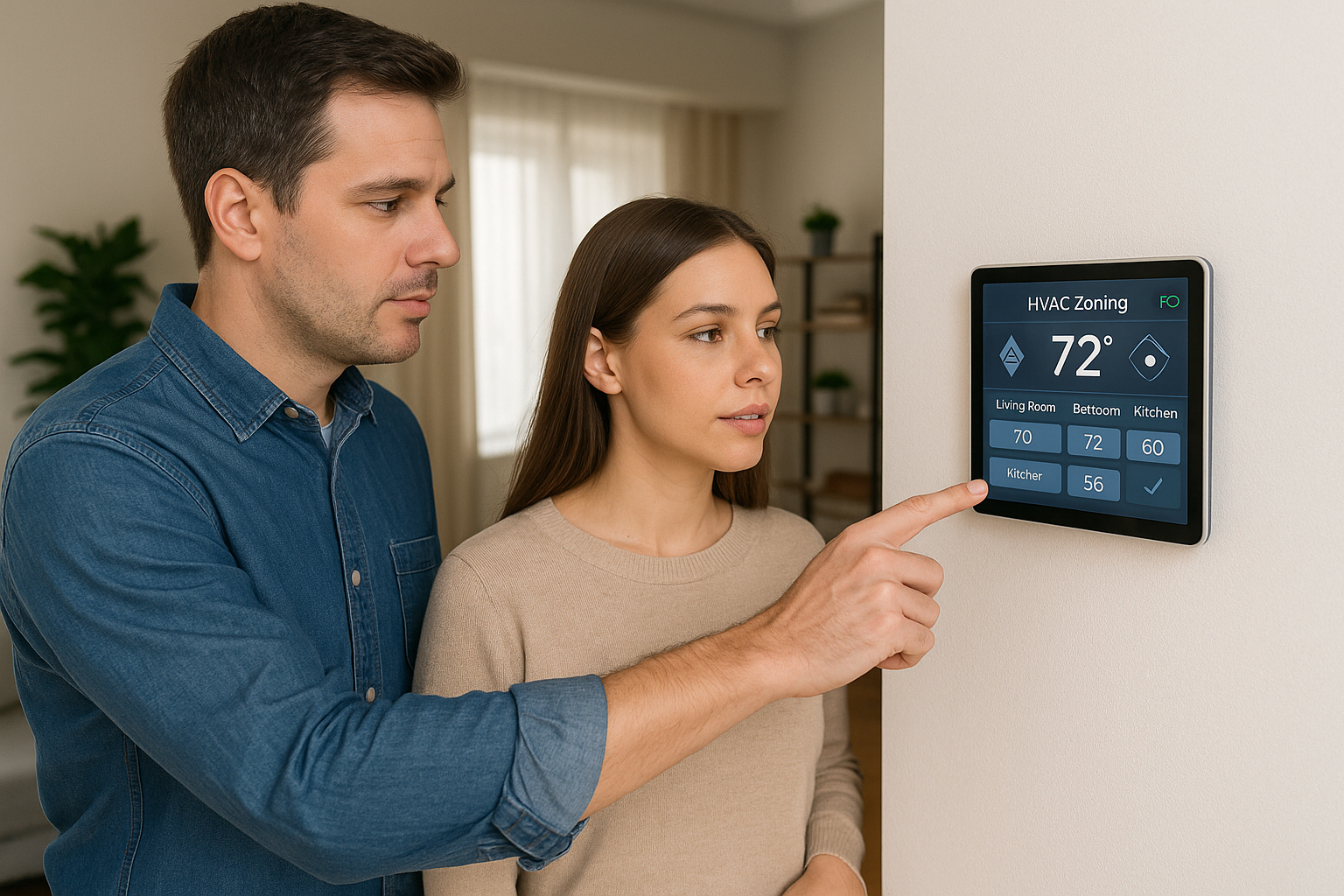
Sports venues rely on specialized HVAC that goes far beyond simple temperature control. Systems must actively manage humidity, ventilation, and indoor air quality while moving very large volumes of air. Loads also swing rapidly between a light practice and a full event, so capacity, airflow, and control strategies need to adapt in minutes, not hours. In our experience, planning for these swings from the start is essential.
The scope of spaces is what makes it unique. Under one roof you might have a bowl, suites, concourses, natatoriums, ice rinks, and locker rooms, all creating widely varying sensible and latent loads. Serving them is like keeping several climates balanced at once, each zone needing the right mix of temperature, moisture removal, and fresh air.
When these elements are planned together, systems deliver consistent results and protect the owner's investment. With proper maintenance, a well designed sports facility HVAC system can reliably serve 15 to 20 years. In the pages ahead, we outline how to size for unique loads, organize zones, and align ventilation with actual use so outcomes stay predictable from practice to game time.
Core Benefits: What High-Performance HVAC Delivers for Athletes and Spectators
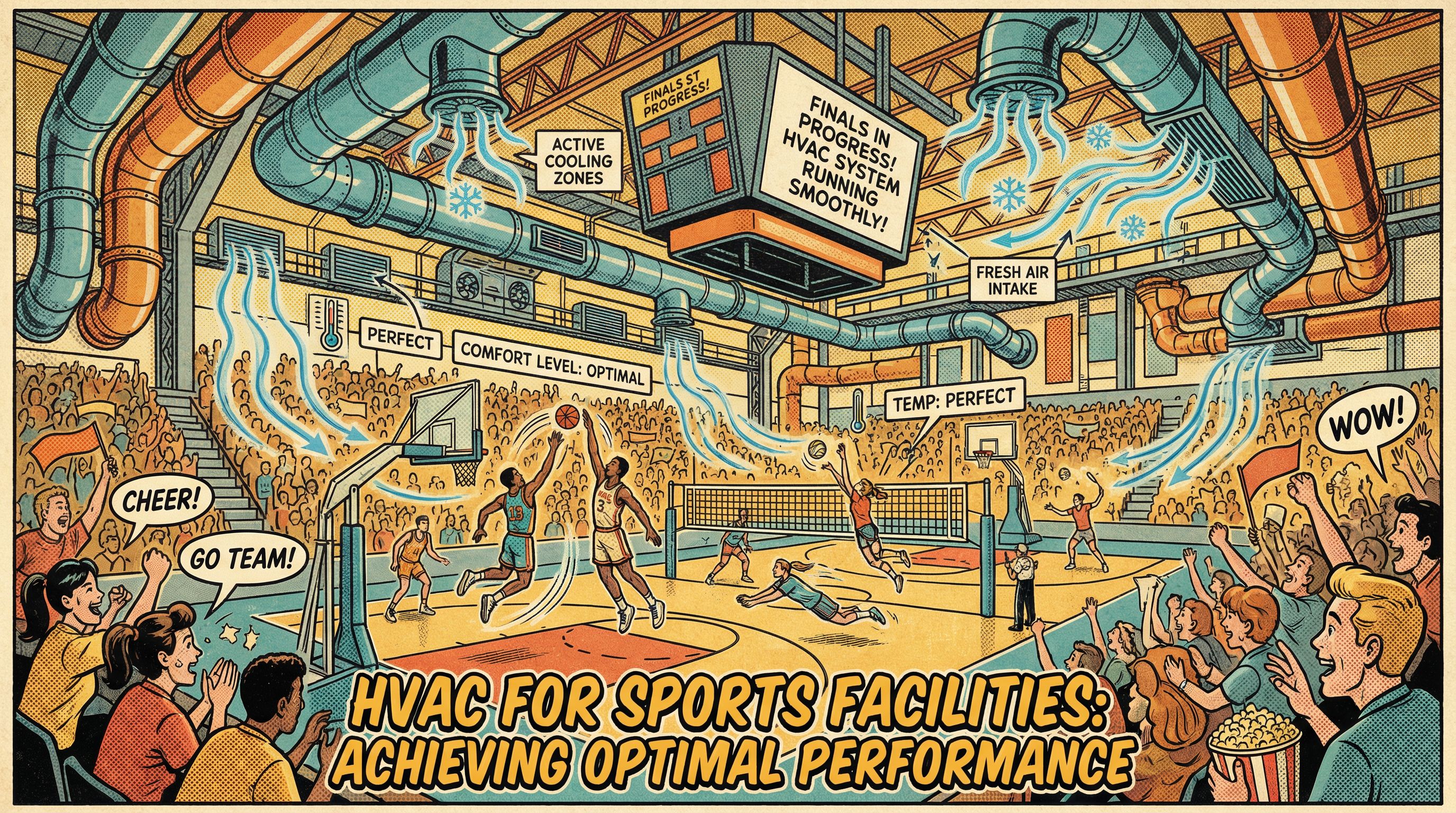
In our field work with arenas and training centers, high-performance HVAC delivers measurable gains on the floor and in the seats. Tight control of temperature and humidity limits heat stress for athletes and keeps surfaces predictable. Coordinated air distribution across seating bowls, concourses, and suites improves spectator comfort even as crowds surge. The real backbone is control: a BAS with live data on occupancy, CO2, temperature, and RH drives responsive setpoints, while sensors for crowd density and IAQ let systems ramp as buildings fill and ease back afterward. Reliability matters during events, so preventive maintenance paired with real-time monitoring reduces mid-event surprises. Zoning is the value play. By carving practice courts, suites, and back-of-house into separate zones, programming can condition only occupied areas during partial-use periods, like dimming lights in empty rooms, supporting year-round flexibility without wasting energy.
Regional Climate, Codes and Equipment Efficiency: What Managers Must Know
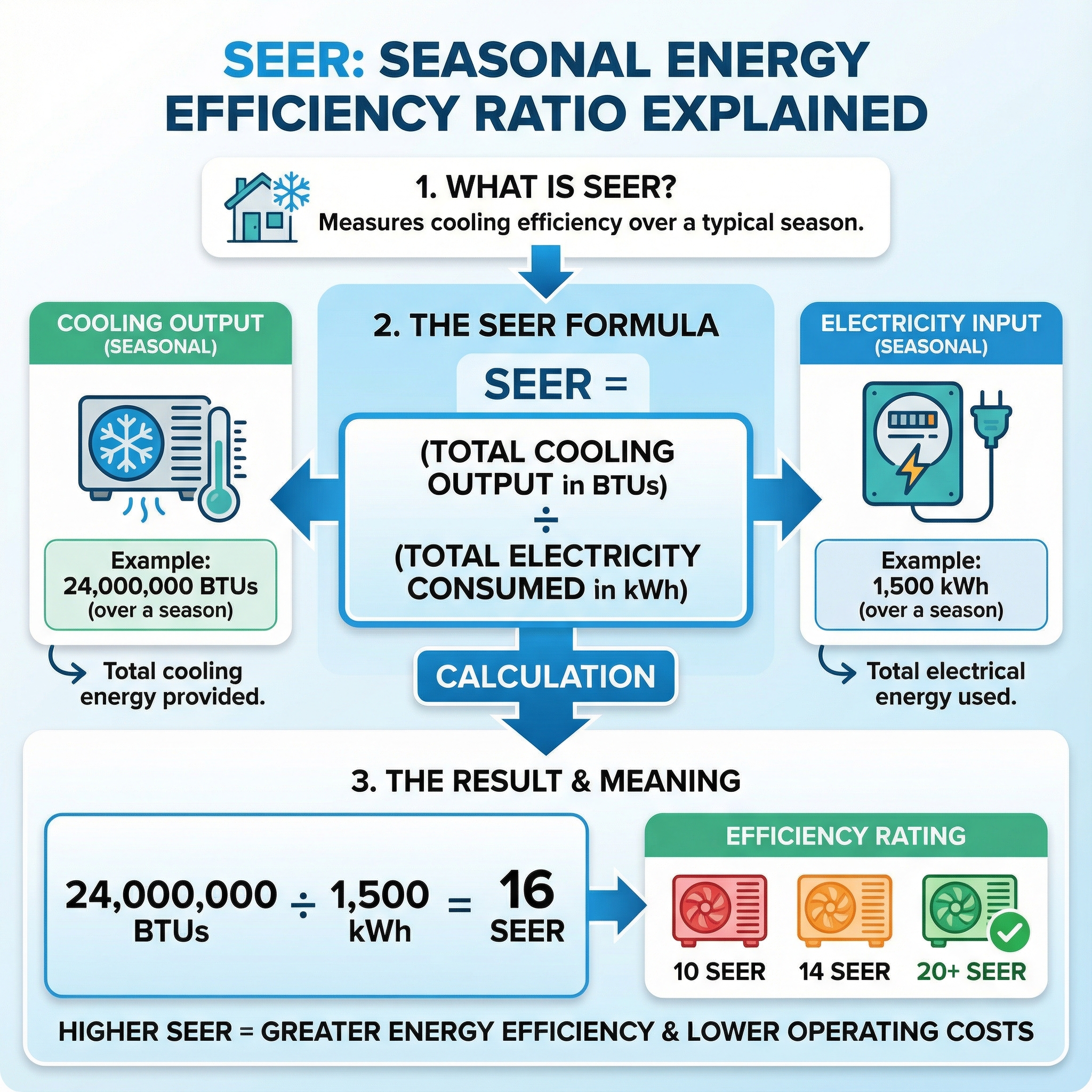
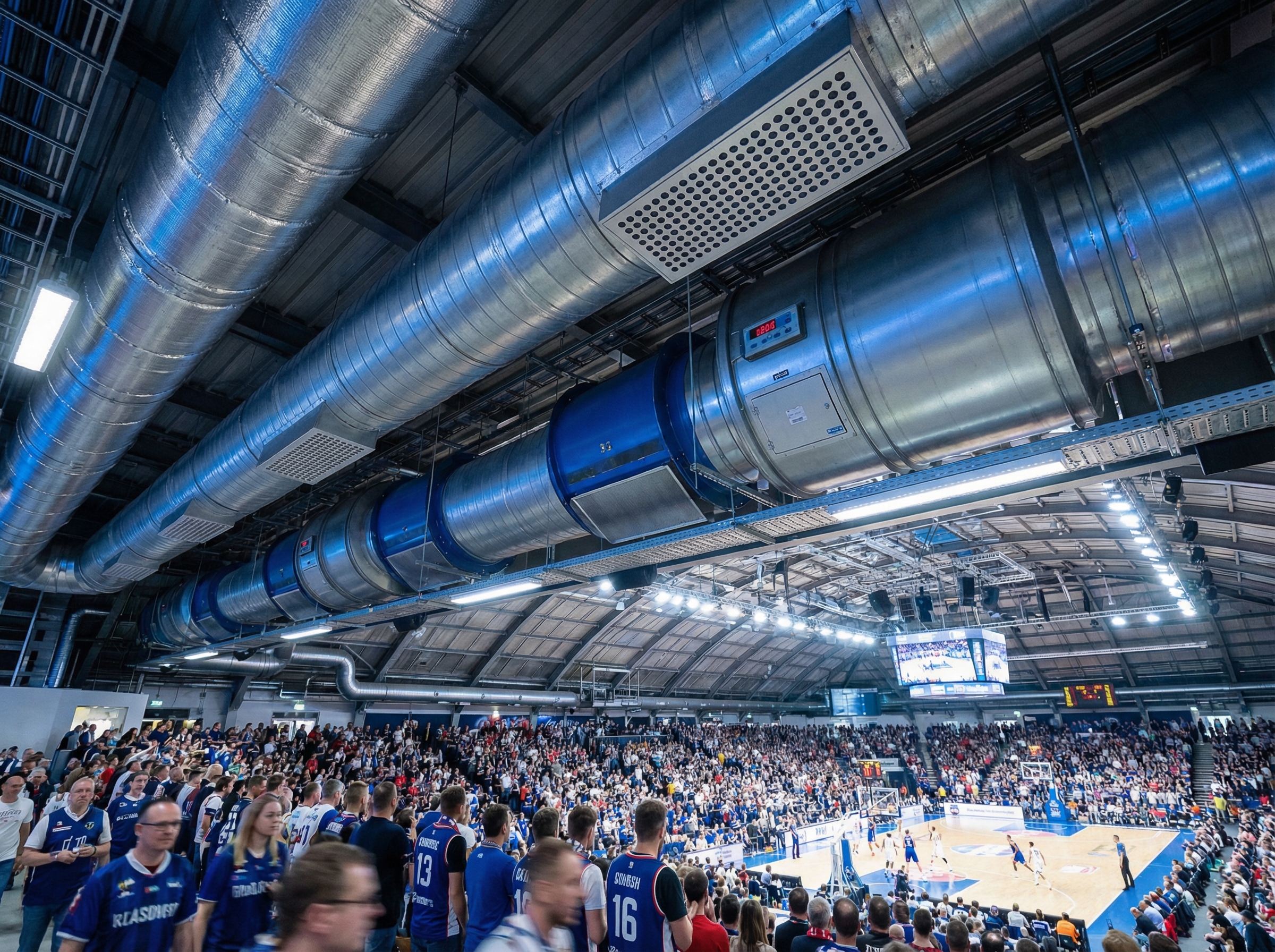
Climate sets the load profile, codes set the rules, and efficiency metrics set expectations. The DOE shift to SEER2, EER2 and HSPF2 uses 0.5 inch static pressure, so ratings reflect ducted systems. Think of it as testing with the ductwork attached, not on a bench. Hot humid sites need latent control, cold regions need heating and destratification, hot dry leverage evaporative strategies, and coastal sites need corrosion resistant materials. ASHRAE 90.1 and the IECC drive minimum efficiencies, economizers and controls, while regional minimums for SEER2 and EER2 vary by climate zone and capacity. In our experience at Budget Heating (BudgetHeating.com), verifying local requirements avoids redesigns. Many projects chase LEED or WELL and must meet local overlays like Title 24 or performance standards. Refrigerants are changing under the AIM Act, with state limits. Early compliance checks save weeks and change orders.
HVAC Requirements by Facility Type: Gyms, Arenas, Ice Rinks and Natatoriums
Gyms and arenas: large seating bowls, tall volumes, and rapid occupancy shifts call for destratification, long air throw, and smart zoning to prevent hot and cold pockets. Ice rinks need precise dew point control and airflow that sweeps across the ice to stop fog and condensation, plus CO and NO2 monitoring interlocked with ventilation. Natatoriums demand dedicated dehumidification, negative pressure to adjacent spaces, robust vapor barriers, and energy recovery to handle heavy latent load. Think of dehumidification as the system's moisture sponge, maintaining a safe dew point without overcooling.
Across rinks and pools, corrosion protection is critical: specify coated coils, stainless hardware, and thoughtful drains to keep chlorides and condensate off metal. In our experience at Budget Heating (BudgetHeating.com), these choices preserve performance and extend service life. At high altitude, fans and compressors may require derating or oversizing, and combustion air and venting need close attention.
Common Myths, Tradeoffs and When HVAC Choices Aren't Optimal
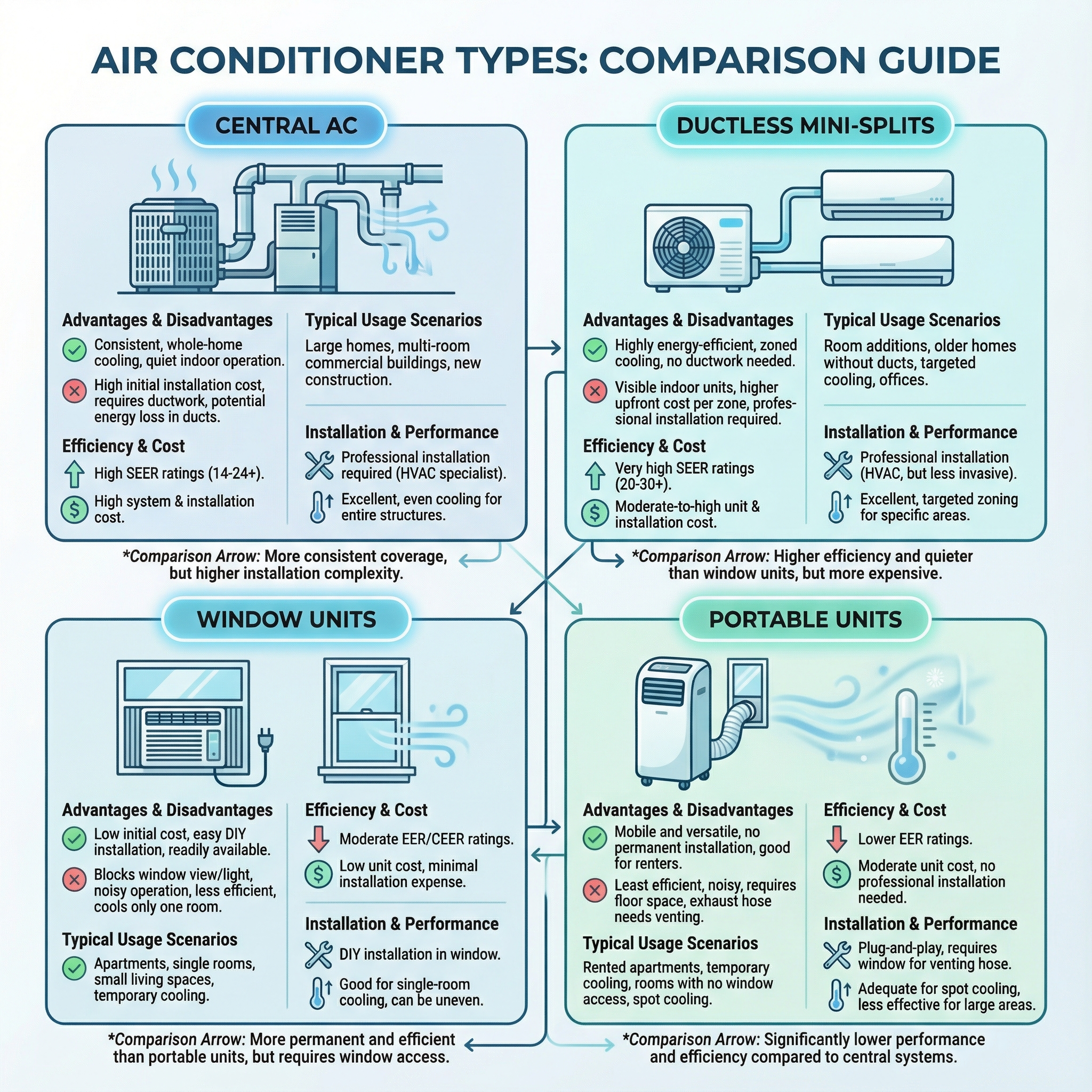
In the field, we see the same pitfalls repeat. Choosing by the highest SEER alone often disappoints in large venues, where part-load metrics like IEER or EER, ventilation loads, and duct losses drive real costs. Oversizing feels safe, but short cycling slashes dehumidification and comfort, like watering a garden with a fire hose. Favor modular or variable capacity systems, and in humid climates pair a DOAS with reheat.
- Mistake: conditioning the entire venue all the time. Use zone scheduling and pre-conditioning to cut run hours.
- Myth: one thermostat is enough. Multiple zones with distributed sensing reduce hot and cold spots.
- Maintenance misses: infrequent filter changes, topping off refrigerant instead of fixing leaks, and reactive-only service.
Some setups are simply the wrong fit. Examples:
- Extremely cold climates, choose gas furnace backup or dedicated high-capacity heating.
- Very limited budgets, phase upgrades with modular systems based on lifecycle cost.
- Long rooftop ducts with high static pressure, select equipment rated for real ESP or packaged commercial units.
Practical Pre-design and Commissioning Checklist for Sports HVAC
From field experience, plan and verify in this order so comfort, IAQ, and reliability hold up on game day.
- Assess needs: document facility type, floor area, ceiling height, envelope, typical and peak occupancy, local climate, and set goals for comfort, IAQ, noise, and budget.
- Load calculations and DOAS: obtain formal sensible and latent loads, including peaks during events. Use a Dedicated Outdoor Air System to handle ventilation and humidity, decouple latent from space cooling, and improve part load control.
- Sizing and selection: compare lifecycle costs and part load performance, choose air distribution strategy (VAV or single zone), and consider DOAS in humidity prone climates.
- Pretreatment and dehumidification: in humid sites, use DOAS or outdoor air pretreatment with dehumidification and reheat to control RH without overcooling.
- Natatorium and ice notes: specify systems, materials, and vapor barriers suited to wet or cold spaces, and plan equipment placement for acoustics.
- Installation and commissioning checks: seal and insulate ductwork, test economizers and energy recovery, perform air and water balancing, verify sequences, and document BAS setpoints.
- Event day operations: pre condition spaces, adjust ventilation to occupancy and IAQ, enable economizer when appropriate, and monitor temperature, CO2, and RH.
- Preventive maintenance routine: schedule filter changes, coil and condensate cleaning, belt and bearing checks, sensor calibration, and seasonal dehumidification verification.
- Questions for contractors: ask how peak latent loads were modeled, DOAS sizing strategy, efficiency metrics used, BAS integration, noise mitigation, and maintenance schedules.
Safety, Maintenance and Who Should Do What
In busy sports venues, we plan work off-hours and barricade mechanical spaces during events. Staff can handle simple care: inspect filters monthly and replace every 1-3 months, keep return and supply grilles clear, clear debris from outdoor condensers, and do housekeeping walk-throughs.
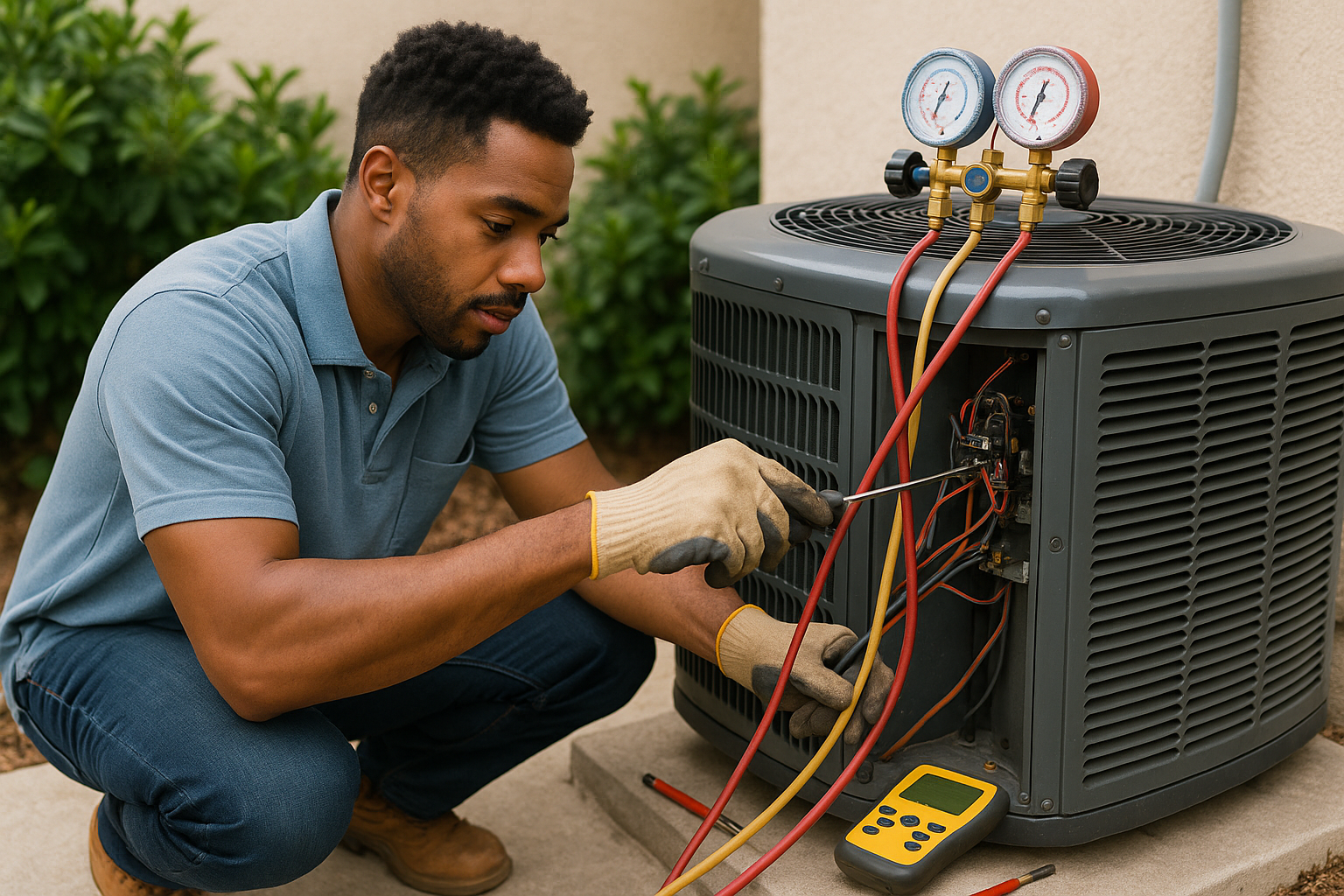
Safety comes first: use lockout/tagout on every unit. De-energize at the disconnect, lock and tag the breaker, then verify zero voltage before opening panels. Treat refrigerant seriously: high pressure and low temperatures can injure. Keep cylinders upright, ventilate spaces, use proper gauges, and never vent refrigerant.
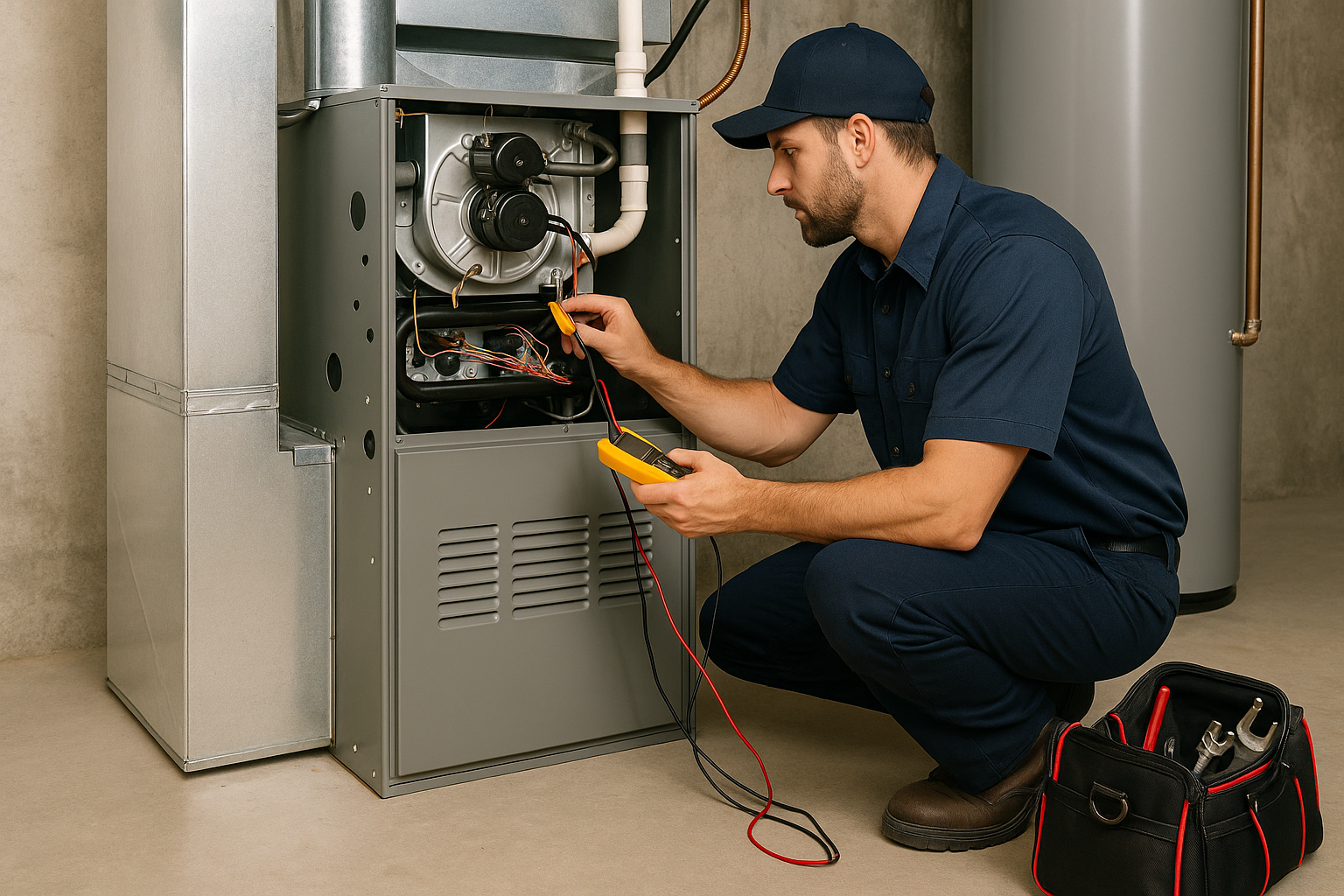
Call licensed technicians for electrical work, EPA 608 refrigerant service, combustion systems, and complex repairs. Schedule professional preventive service at least twice a year, or quarterly for high-use facilities. Install and test CO detectors, and follow PPE and fall protection on rooftops.
Ventilation, IAQ and Standards: ASHRAE, Filtration and Humidity Targets
We size and control ventilation to meet three anchors: ASHRAE 62.1 for minimum outdoor air, ASHRAE 55 for thermal comfort, and ASHRAE 241 for infectious aerosol risk. Demand controlled ventilation works like a dimmer for fresh air, using CO2 or occupancy sensors to reduce outdoor air during light loads and ramp up during peaks. It is typically permitted and is most effective where occupancy swings are large. Continuous IAQ monitoring, CO2, relative humidity, temperature, sometimes VOCs or particles, verifies performance and can drive setpoint adjustments.
IAQ technologies in plain terms: filtration at MERV 13 or higher captures finer particles when the air handler can handle the added pressure drop, we confirm fan capacity or increase filter area before upgrading. UV-C can supplement filtration in air handlers or upper-room zones where risk and runtime justify it. Right sized outdoor air with energy recovery, HRV or ERV, and DOAS strategies keeps ventilation energy and latent loads in check. Keep indoor humidity in the mid range, roughly 40 to 60 percent RH, to reduce aerosol persistence and support comfort.
Energy Efficiency, Controls and 24/7 Operations: VRF, Heat Recovery and Predictive Maintenance
For venues that run around the clock, efficiency starts with right-sized technologies and smart controls. VRF systems paired with heat recovery handle part-loads gracefully, moving heat between zones and suiting mixed-use areas where occupancy and loads change by the hour. In large arenas, air-turnover style systems can cut combined heating and cooling costs by about 50 to 70 percent compared with conventional designs. Upgrading cooling efficiency from roughly SEER 14 to about 20 typically trims cooling energy near 30 percent, a big lift where latent loads and long runtimes dominate. A modern BAS ties it together: zoning, schedules and setpoints that condition only occupied spaces stack on top of equipment gains and improve payback. Continuous monitoring, benchmarking and periodic retro-commissioning keep systems tuned as usage evolves. IoT-driven predictive maintenance and trend-based fault detection catch issues early, reducing unplanned downtime and improving lifecycle cost.
Roadmap: Practical Next Steps to Achieve Optimal HVAC Performance
The most effective path to better performance is a simple, disciplined roadmap: prioritize right sized ventilation with energy recovery, targeted humidity and dew point control in specialized spaces, smart zoning with adaptive controls, and preventive maintenance with monitoring. Combining these measures delivers reliable comfort, healthy indoor environments and cost effective operation across a wide variety of events.
Start with an audit of current systems, then move to clear actions: perform load and latent calculations, implement DOAS and energy recovery where needed, commission and log results, and deploy BAS monitoring with a quarterly preventive service cadence. If legacy gear is staying in place, schedule retro commissioning to verify it is delivering design airflow, temperature and moisture control.
We have 30 plus years in HVAC and full factory authorization, and our U.S. based technical team can turn this plan into the right equipment package and commissioning checklist.
- Get a Custom Quote, including load and latent review plus a parts list for DOAS, ERV and dehumidification.
- Talk to Our Team by phone for fast, practical guidance from experienced technicians.
- Shop Commercial HVAC, including rooftop units, ERVs and specialty dehumidifiers, with wholesale pricing, free shipping on many items and Affirm financing.
- Schedule commissioning or retro commissioning and set up BAS enabled monitoring to lock in performance.