




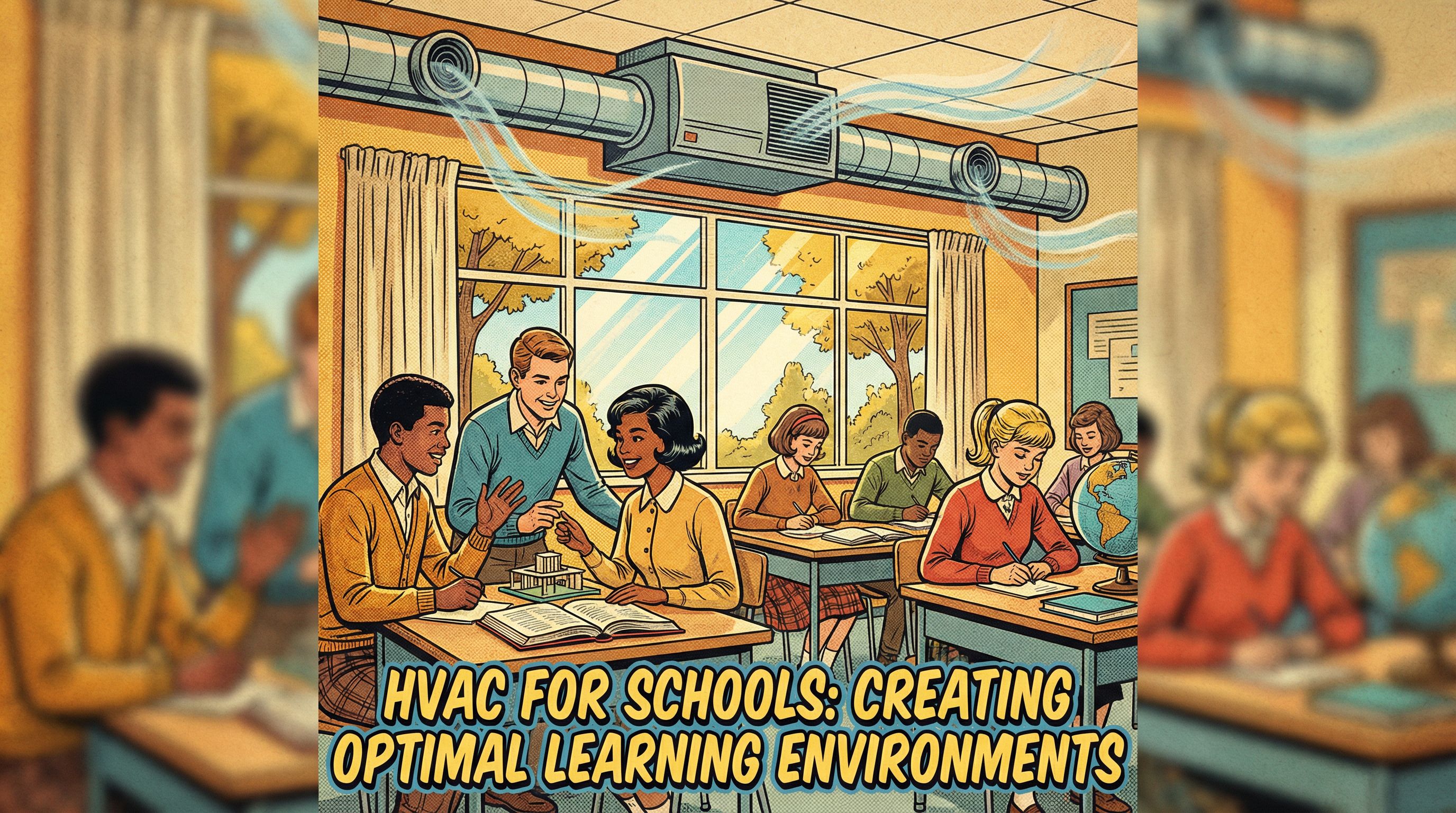
HVAC for Schools: Creating Optimal Learning Environments
Comfortable, healthy classrooms are engineered with HVAC systems that manage temperature, humidity, ventilation, and filtration so students can focus, learn, and stay well. In schools, HVAC spans indoor air quality, thermal comfort, low-noise acoustics, infection-risk reduction, energy efficiency, and year-round maintainability. Many campuses juggle aging equipment, hot and cold spots, and tight budgets. We translate field lessons into plain guidance so decision makers can set priorities, reduce risk, and plan upgrades that actually work.
Why HVAC Matters: How Air Quality and Comfort Impact Learning
HVAC choices show up in the classroom as attention, attendance, and quieter rooms. In our field work, the pattern is consistent: clean, well ventilated air delivered at steady temperature and humidity supports better learning and healthier staff.
- Health and absences: Proper ventilation and high-quality filtration remove pollutants and dilute CO2, which supports well-being and reduces absenteeism.
- Focus and performance: Consistent temperature and humidity improve concentration and cognitive performance. Quiet equipment trims noise that distracts from instruction.
- Operations and budgets: Modern controls, zoning, and energy recovery lower operating costs and cut emergency repairs, which improves total cost of ownership.
- Sustainability and reliability: Efficient HVAC reduces carbon footprint, aligns with district sustainability goals, and increases system reliability and resilience.
Think of the system like a metronome for the building. When airflow, temperature, and noise stay in rhythm, students and teachers can stay in rhythm too, and budgets benefit over the long term.
Standards & Guidance: ASHRAE, CDC and State Requirements for Schools
In our experience, school HVAC compliance lands in four buckets:
- Ventilation and comfort: ASHRAE 62.1 sets classroom outdoor air and IAQ. ASHRAE 55 defines acceptable temperature and humidity.
- Energy codes: ASHRAE 90.1 and IECC drive efficiency and controls. Some states are stricter, for example Title 24. Confirm local adoption of 2021 or 2026 editions.
- Infection control: ASHRAE 241 promotes added outdoor air, higher filtration, often MERV 13 or better, plus supplemental cleaning in high risk areas.
- Equipment and refrigerants: DOE SEER2, EER2 and HSPF2 ratings affect model selection. The AIM Act HFC phasedown influences refrigerant choice and long term service.
We verify which editions your jurisdiction enforces, then align equipment, filtration, and controls to the strictest requirement.
Key Indoor Air Quality Metrics: CO2, PM2.5, VOCs and Humidity
In classrooms, we treat CO2 as a live read on ventilation. Keep occupied CO2 generally below about 800 to 1000 ppm where feasible. If levels climb and stay high during class, fresh air is lagging.
Design outdoor air to meet or exceed ASHRAE 62.1 for classrooms, typically about 7 to 10 liters per second per person. That rate, verified against CO2 trends during peak occupancy, maintains effective dilution and helps limit drowsiness and complaints.
For comfort and health, hold temperature around 68 to 75 F and relative humidity near 40 to 60 percent. That band reduces pathogen survival and keeps students comfortable enough to focus.
- PM2.5: prioritize filters that capture fine particles. Watch for spikes from outdoor smoke or indoor activities and increase filtration or outdoor air accordingly.
- VOCs: minimize sources like harsh cleaners or markers, then schedule purge cycles after classes. Portable monitors help flag problem rooms.
Tradeoffs & Common Mistakes: When HVAC Upgrades Aren't the Right Fit
Common pitfalls: choosing the highest MERV filter and choking airflow, like breathing through a thick scarf, unless the blower and coil are sized for that static. Oversizing equipment short-cycles, leaves humidity high, adds noise, and wastes energy; proper room-by-room load calculations matter. Portable HEPA units help with particles but cannot bring in outdoor air or control CO2 or moisture, so they only supplement ventilation.
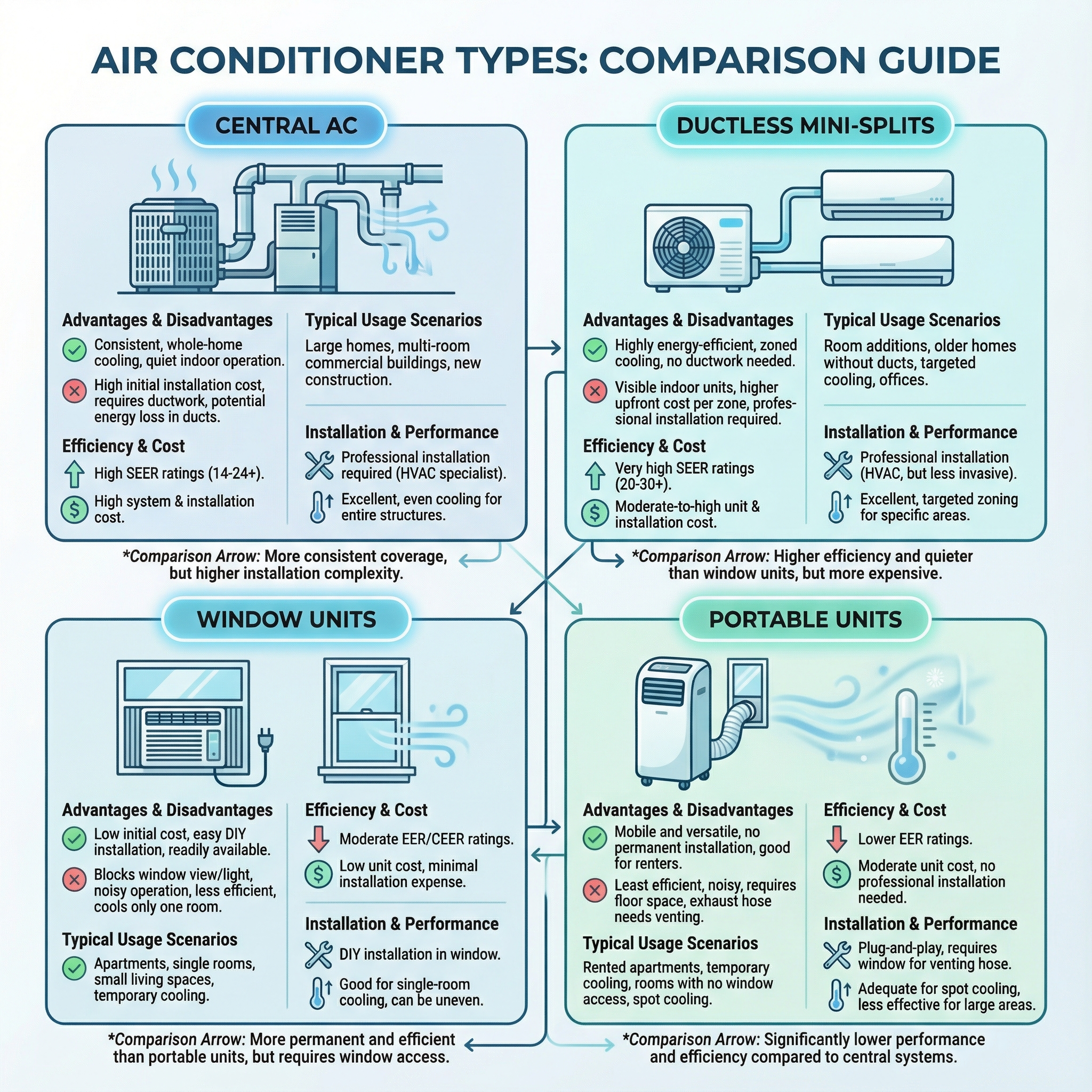
When alternatives make more sense: extreme cold favors gas backup or cold-climate heat pumps over standard air-source systems. In muggy regions, a DOAS or ERV with strong latent control outperforms a typical RTU. With tight budgets and failing ducts, consider phased retrofits or temporary portable solutions until full upgrades are funded.
Energy Efficiency & Cost Savings: Economizers, Heat Recovery and Controls
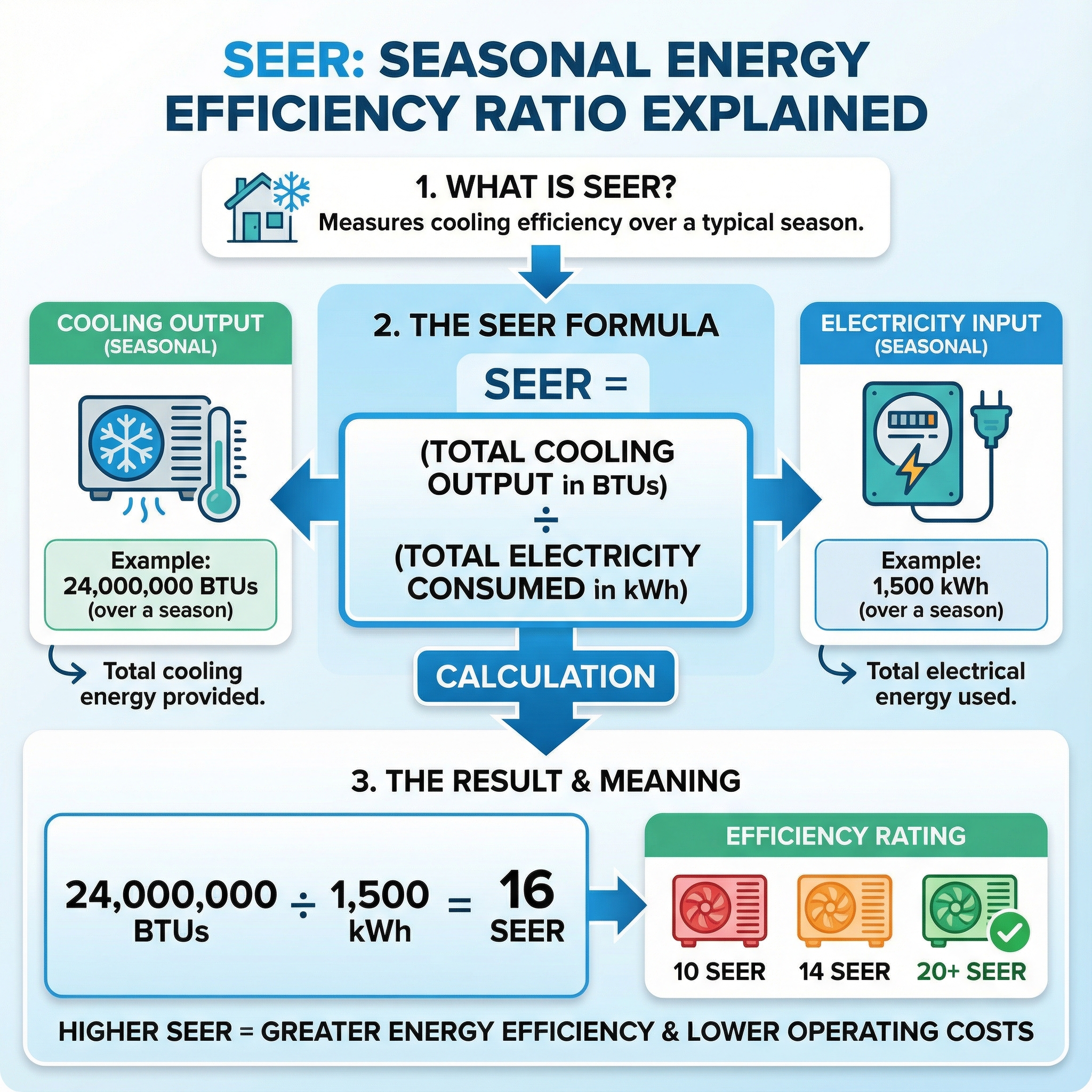
HVAC can be nearly half of a K-12 energy bill. SEER2, EER2, and HSPF2 are the DOE metrics. SEER2 is the updated seasonal cooling metric. For classrooms and splits, aim mid to high teens SEER2. Heat pumps have a 15 SEER2 minimum. Higher SEER2 plus strong part load performance lowers cooling energy.
From our field work at Budget Heating (BudgetHeating.com), districts save and protect IAQ by pairing efficient gear with smart airside steps:
- Economizers bring in cool outdoor air to cut compressor use.
- Energy recovery ventilators precondition outside air, keeping ventilation with less load.
- For RTUs and central, prioritize EER or IEER, variable speed drives, and controls that favor part load.
Deep retrofits have reached about 80 percent cuts. With the right mix, most schools see meaningful utility and maintenance savings.
Monitoring & Commissioning: Ongoing IAQ Measurement and System Tuning
Commissioning is where reliable IAQ starts. We require full test, adjust, and balance at installation, then verify sequences, set outdoor air, and document results in a commissioning report before occupancy. Think of it as tuning the system so every register and control plays its part.
To keep it tuned, we deploy real-time IAQ sensors for CO2, temperature, relative humidity, and PM2.5. CO2 trends confirm ventilation, while temperature, RH, and particulates flag performance drift early. Periodic re-commissioning locks those gains back in.
- Seasonal checks: verify economizer operation, outdoor airflow, sensor calibration, and control sequences.
- After renovations or occupancy shifts: re-validate airflows and reset control logic.
With 30+ years in the field, we have seen this approach sustain comfort and IAQ year after year.
Filtration, Air Cleaning & Acoustics: MERV, HEPA, UVGI and Quiet Systems
In schools, start with central filtration. We aim for MERV-13 where fans and coils can take the added pressure. If the air handler cannot, keep the system safe and add portable HEPA cleaners in high-risk or under-ventilated rooms. HEPA is a local room solution that captures more fine particles than typical MERV media, it does not replace proper outdoor air.
Layer controls. Upper-room UVGI or in-duct UV-C can reduce airborne microbes, but they supplement filtration and ventilation, not replace them. Keep classrooms quiet: target ≤35 dBA from HVAC. Use low-sound fans, quiet diffusers, balanced airflow, and duct treatments. Place portables on lower speeds.
Maintenance & Implementation Checklist: 10 Steps to Improve Your School’s HVAC
Phase the work: assess, design, verify, sustain. In our experience at Budget Heating (BudgetHeating.com), this sequencing keeps timelines realistic.
- Define IAQ and comfort goals.
- Inventory spaces and occupancy.
- Require room by room load calculations.
- Choose a ventilation strategy.
- Specify filtration and humidity control.
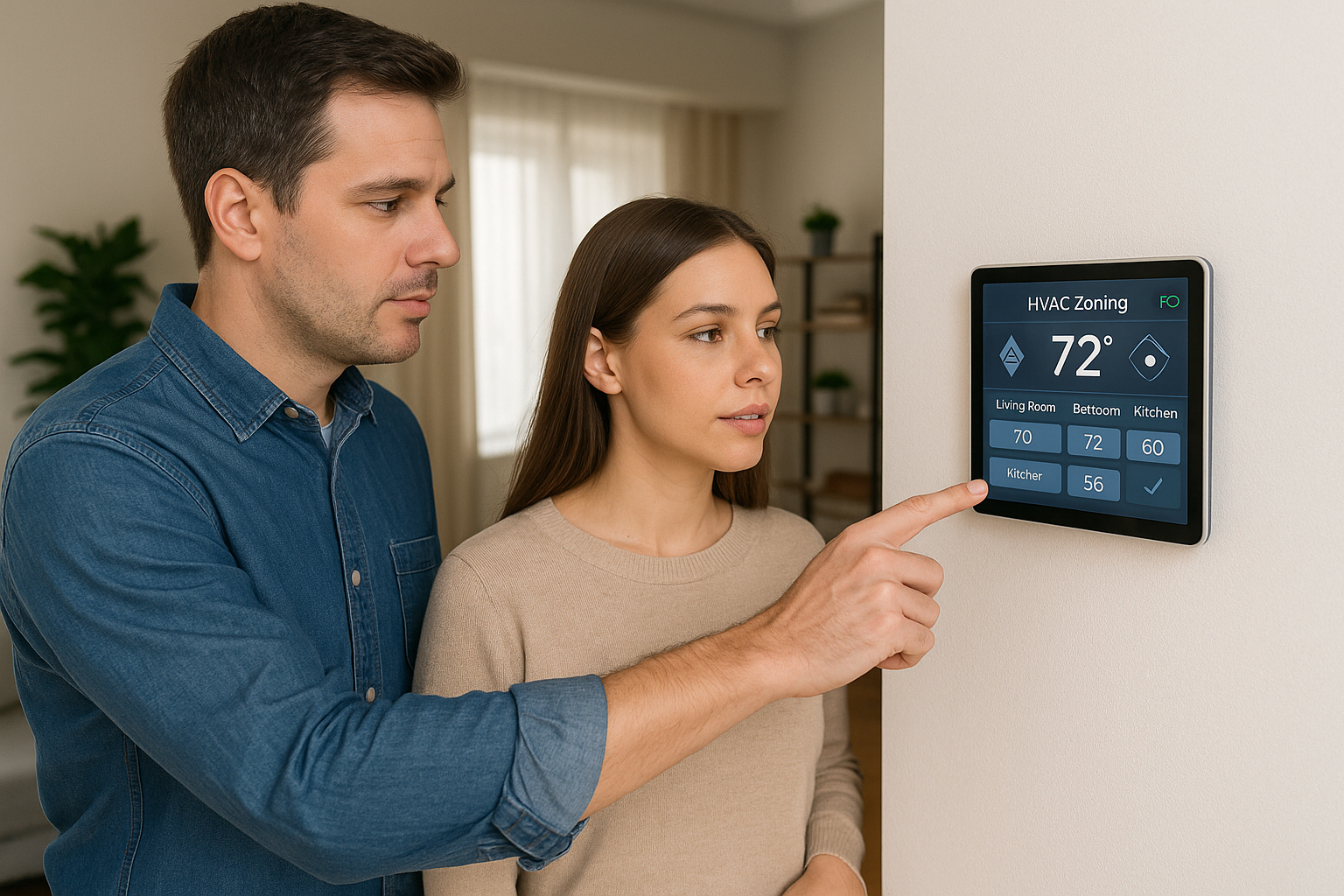
- Design zoning and controls.
- Verify acoustics in occupied rooms.
- Require TAB and commissioning.
- Set maintenance schedules.
- Plan phased upgrades for resilience.
Staff can replace filters on schedule, keep grilles and intakes clear, log IAQ complaints, perform visual checks, and follow lockout tagout. Licensed pros should handle refrigerant service, electrical repairs, combustion appliances, deep coil or duct cleaning, and seasonal preventive maintenance. Standardize bids by asking for room by room loads, outdoor air rates, filtration level and static capability, projected sound, TAB report, commissioning scope, and warranty or maintenance inclusions.
Next Steps: Sustaining Healthy, Efficient School Environments
Start with verification. Run a short audit with CO2 spot checks and basic commissioning, create a phased plan tied to grants, and document maintenance. Layer controls in higher risk periods: more outdoor air, better filtration, portable HEPA for problem rooms, plus upper room or in-duct UV-C as supplements. Ensure equity across campus, assign duties, stock spares, and schedule periodic re-commissioning. We know district choices are complex. With 30+ years, we make this practical.
- Get a Custom Quote
- Talk to Our Team, U.S.-based phone support
- Shop IAQ & Filtration