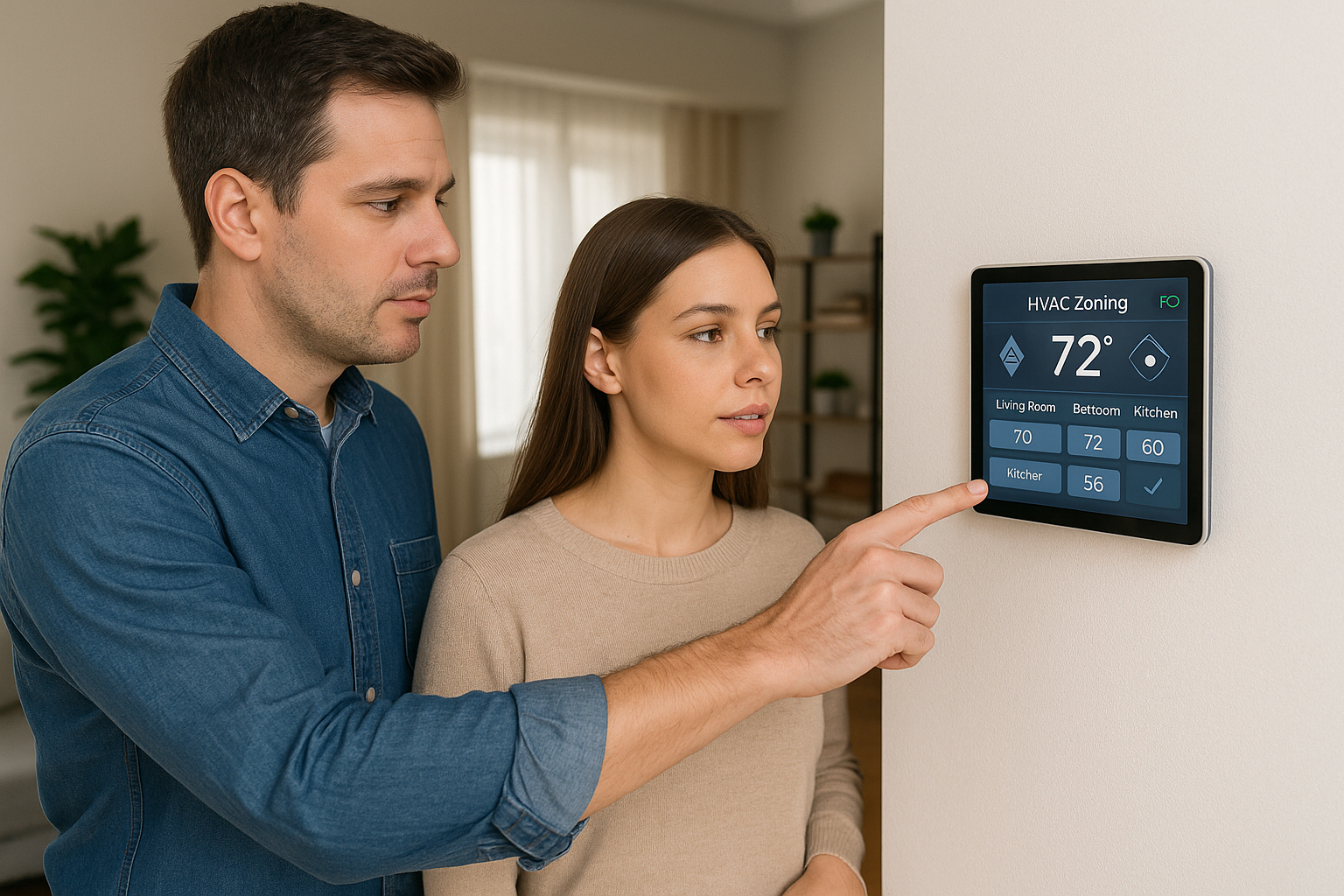





Why HVAC Is the First Line of Defense Against Food Spoilage and Contamination
Food safety starts before knives and cutting boards, it starts with environmental control. A well maintained HVAC system stabilizes temperature and humidity, filters and directs airflow from clean to dirty zones, dilutes or removes airborne contaminants, and keeps critical equipment running reliably. When HVAC underperforms, risks escalate, bacterial growth, cross contamination, product loss, compliance issues, higher energy bills, shortened system life, and uncomfortable working conditions.
Cold chain control means holding safe temperatures from receiving to storage to prep without breaks. Typical targets are 32 to 41 F for refrigerated goods and 0 F for frozen items, even brief excursions can give pathogens a foothold. Relative humidity matters as much as temperature, holding RH in an optimal band, often 50 to 60 percent for general storage, reduces condensation, spoilage, and mold. Pressure differentials shape where air travels, positive pressure in clean prep rooms pushes air outward, while negative pressure in dish areas, restrooms, or waste rooms contains odors and aerosols. The controls to watch are setpoints, humidity control, filtration, airflow balance, and continuous monitoring.
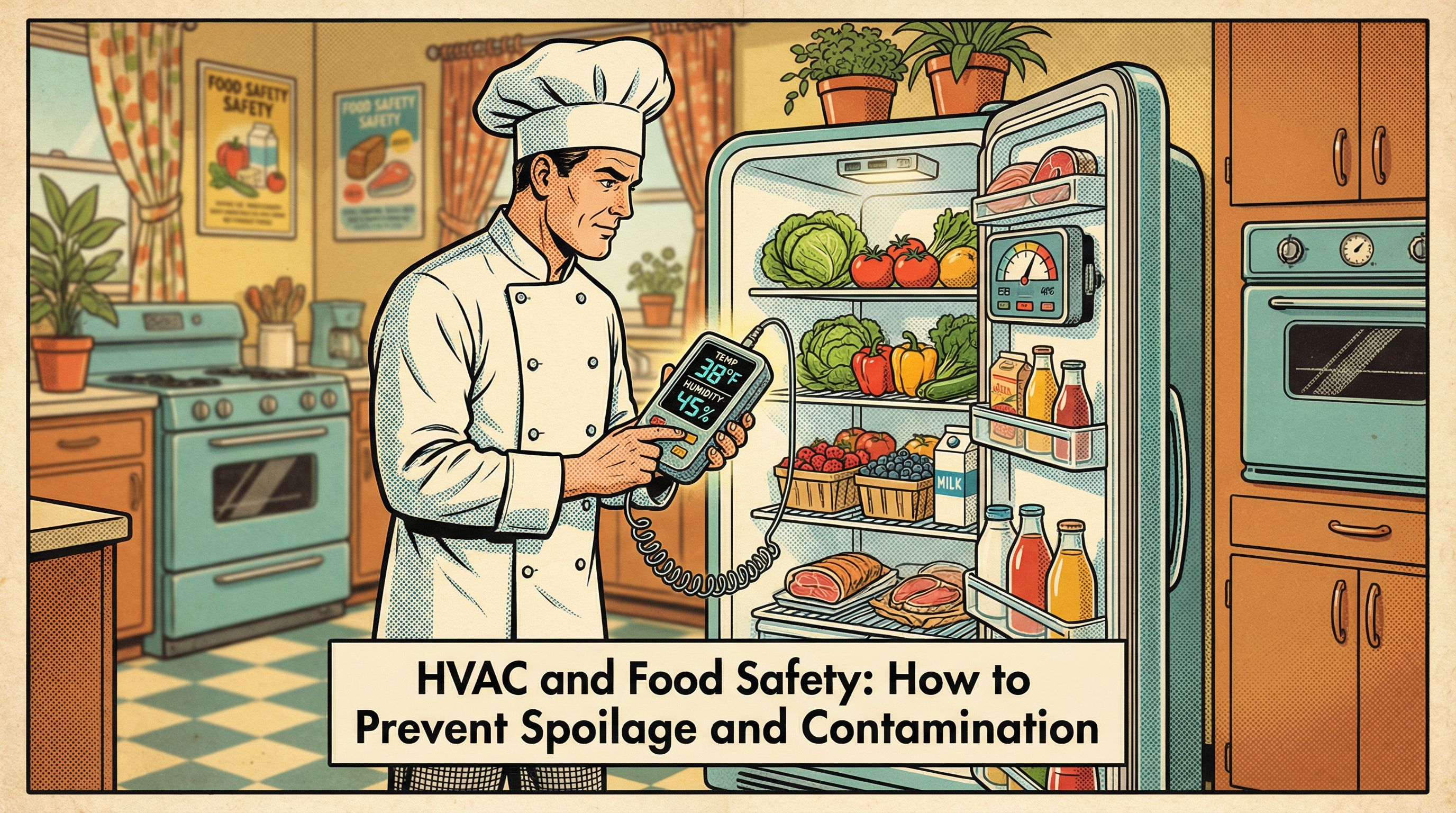
How HVAC Failures Lead to Spoilage: Maintenance, Moisture and Energy Effects
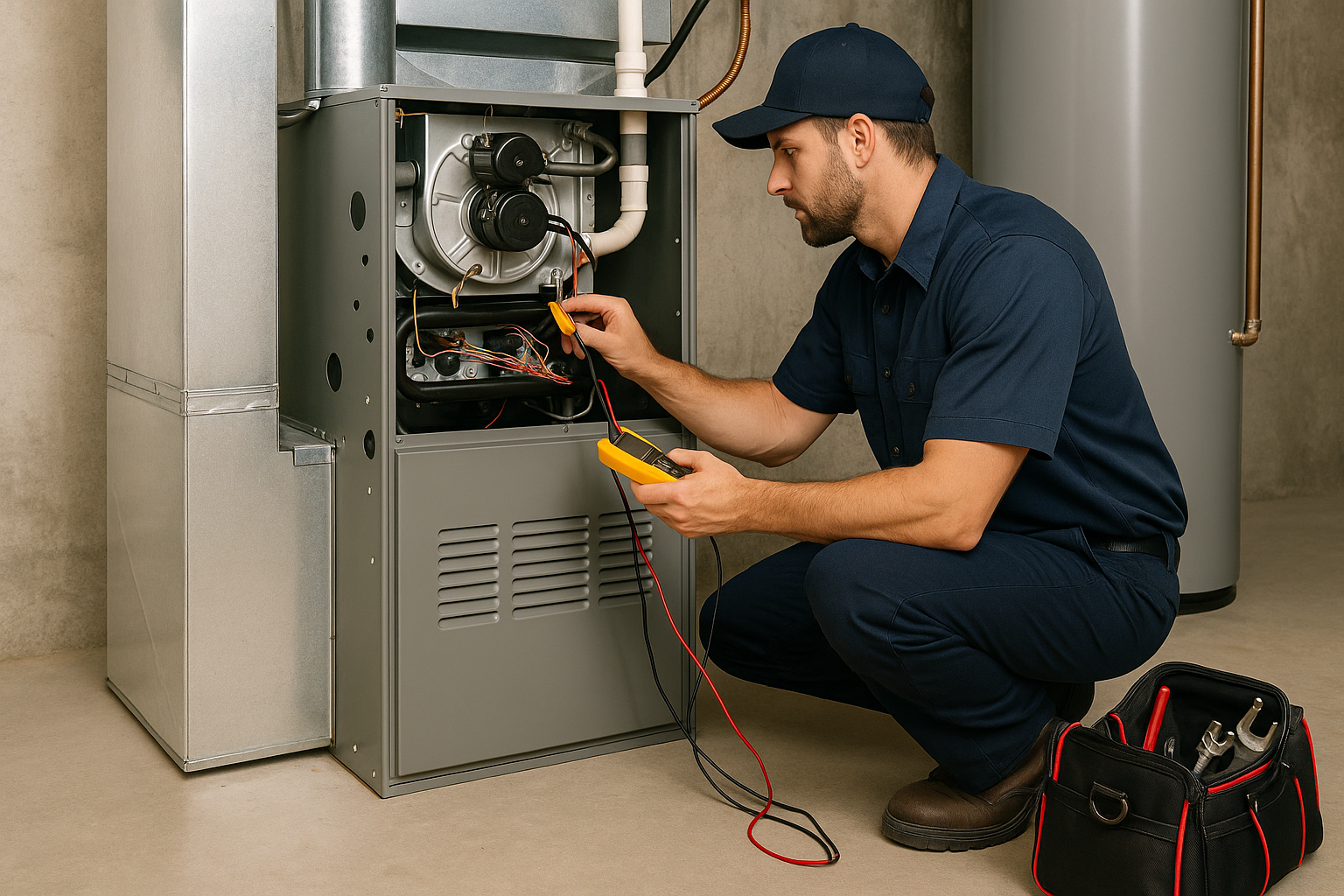
In our field work, the quickest path to spoilage is neglected HVAC. Clogged filters starve airflow, dirty coils dull heat transfer, and miscalibrated sensors or controls let rooms drift. Wet drain pans and duct debris become microbe nurseries, spreading odors and contamination. Regular preventive maintenance, with inspections, cleaning, and timely part replacements, keeps temperature, airflow, and moisture in check and cuts unplanned downtime.
Energy tuneups support safety. Clean filters and coils, tuned controls, and variable-speed fans stabilize conditions while reducing runtime and equipment stress. Design resilience is the safety net: redundancy, emergency power, and clear alarm and maintenance SOPs protect inventory during outages and align with food codes and audit needs. Skipping these basics turns the system into a contamination source instead of a safeguard.
Key Risks: Temperature Abuse, Humidity Problems and Condensation That Drive Microbial Growth
Temperature abuse is the accelerator pedal for microbes. Even short drifts above target setpoints, such as refrigerated 0-5 C or frozen at or below −18 C, speed cell division and push borderline lots into spoilage. Rapid swings create warm spots and dew point crossings, so moist air hits cold surfaces and leaves thin water films. Those films, plus any standing water, are prime real estate for bacteria, mold, and biofilm in seams, gaskets, and drains. Relative humidity that does not match the product cuts both ways: produce kept too dry shrivels and leaks cellular fluids that feed microbes, while dry goods held too humid cake, lose packaging integrity, and invite mold. It is like weeds after a warm rain, moisture plus warmth equals fast growth.
- Drift above setpoints accelerates bacteria, melts and refreezes damage texture and packaging.
- Temperature cycling pulls humid air into packaging, then condensation seeds growth on films and product.
- Persistent RH errors drive corrosion, label failure, caking, off-odors, and visible mold bloom.
Refrigeration & Cooling: Preventing Fluctuations and Protecting the Cold Chain
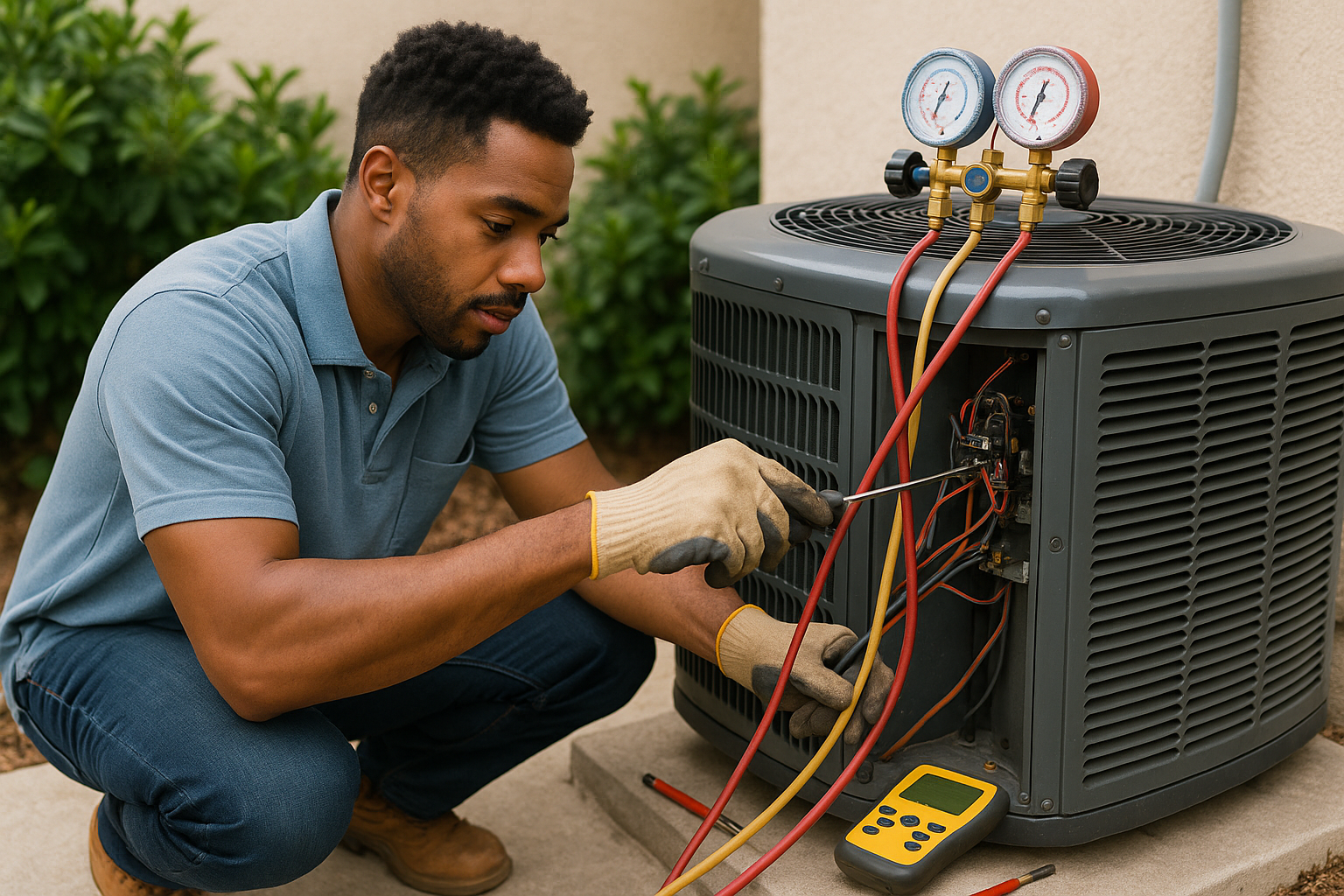
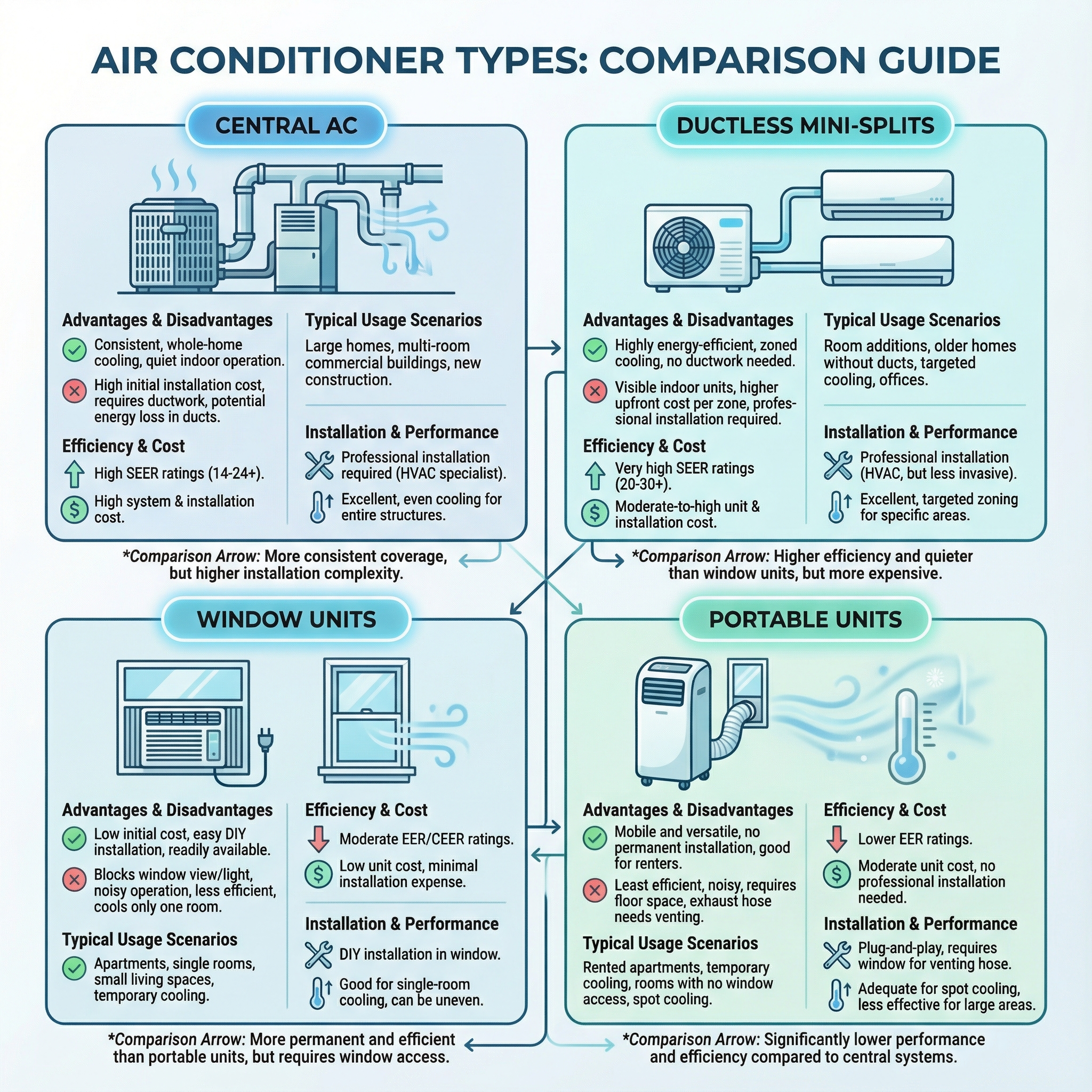
In our experience, stable refrigeration starts with simple performance checks: inspect door gaskets on refrigerators, freezers, and walk-in units for cracks or gaps, then keep roughly 2 ft of clearance around the outdoor condenser and remove grease-laden debris or leaves. Before each cooling and heating season, schedule professional service to clean coils, verify refrigerant charge, check airflow and static pressure, clear condensate lines, and confirm blower operation. Refrigerants are not DIY. Charging, leak detection or repair, and even attaching gauges must be handled by EPA-certified personnel for safety and compliance. Correct sizing is equally critical: a properly matched 3.5-ton AC with a gas furnace runs steady cycles that hold prep and storage areas at target, which cuts spoilage risk. Oversized units short cycle, like a car stuck in stop-and-go traffic, causing temperature swings and added compressor wear that can compromise the cold chain.
Air Filtration & IAQ: When HEPA/MERV Helps, and When It Costs You Control
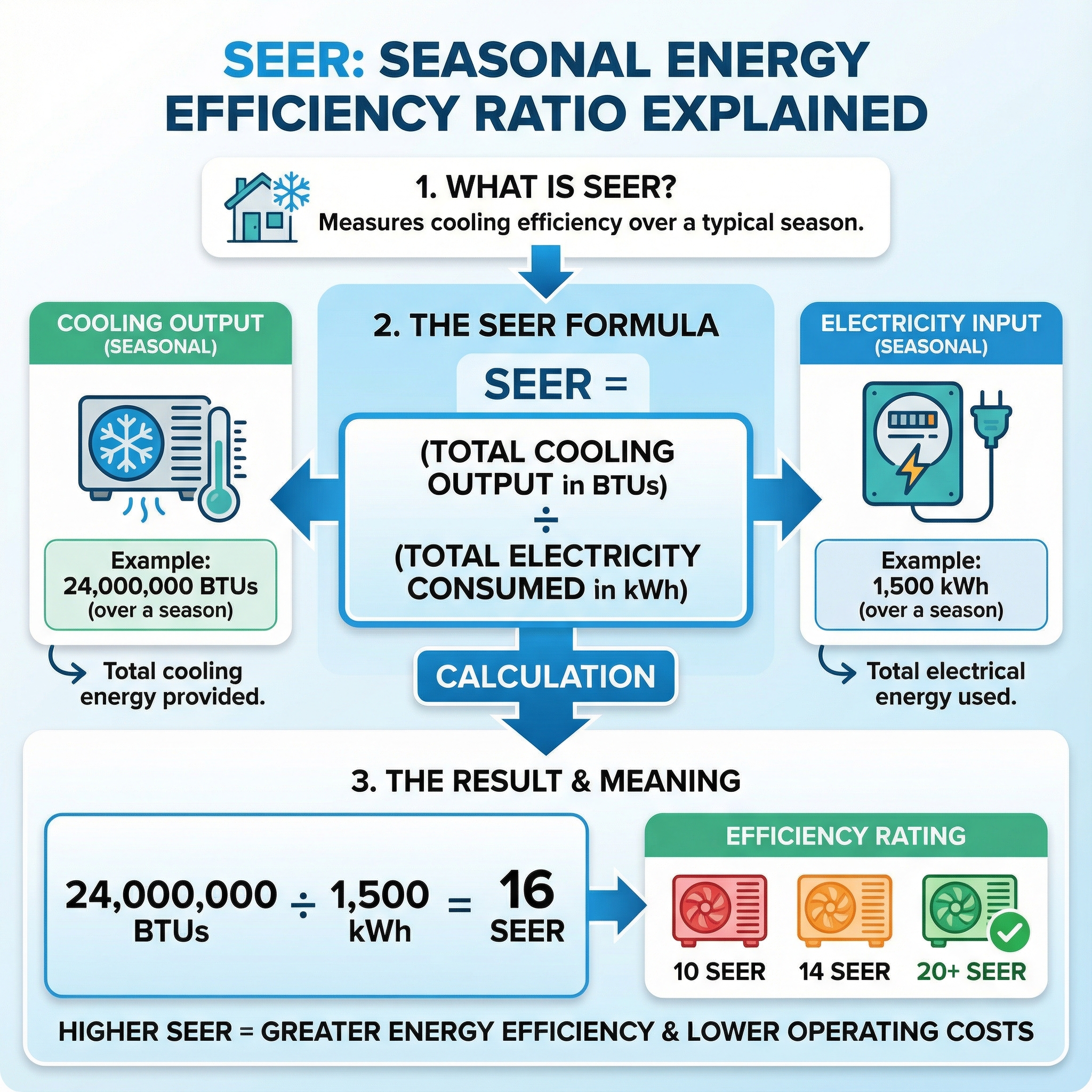
High efficiency filters can be a big win. HEPA media typically captures about 99.97% of 0.3 micron particles, and high MERV filters, paired with balanced outdoor air, cut particulates and odors in kitchens and processing spaces. The tradeoff is static pressure. Higher MERV and HEPA raise external static, which lowers delivered SEER2 and can undercut airflow and humidity control unless the blower, ducts, or controls are upgraded. Variable speed fans can adapt, but they work harder, so efficiency still drifts down. Oversized cooling plus tighter filtration often short cycles, which makes moisture control worse, not better.
Best practice: use the highest MERV your system safely supports, change filters every 1 to 3 months, and in food environments pair upgrades with sanitary construction, smooth cleanable surfaces, proper slope, and robust condensate management.
- Not ideal for undersized or leaky duct systems. Better: duct redesign or stronger blowers.
- Poor choice for legacy single speed fans. Better: variable speed fan and controls.
- Heavy source contaminants. Better: targeted capture plus advanced air cleaning.
Cost and savings ranges are not available in this guide. Evaluate project specifics with contractors.
Temperature Control Best Practices for Storage and On floor Display
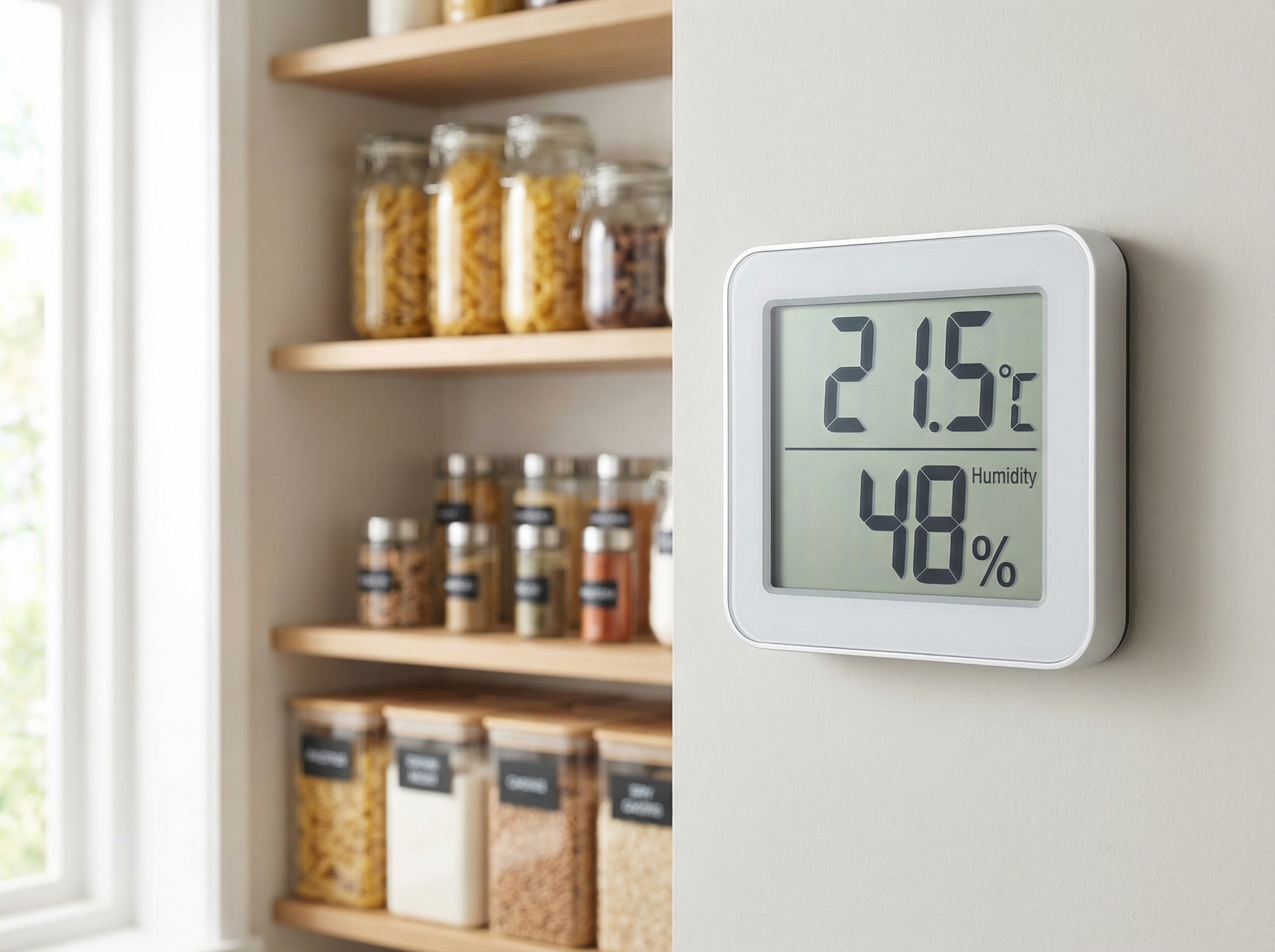
Measure, adjust, verify. Place a digital hygrometer/thermometer in the kitchen and every pantry or display area, target 50 to 60% RH and minimal temperature swings. Treat the thermostat like cruise control, not a light switch. Use a smart thermostat with tight schedules and small or no setbacks to keep conditions steady.
- Storage and placement: keep pantries away from hot garages or sun soaked rooms, leave airflow around shelving, and avoid placing items directly under supply registers.
- Humidity control: if RH is above 60%, run AC longer at lower fan speed, use bath and kitchen exhaust during moisture producing activities, fix leaks, and add a dehumidifier. If RH is below 50% and food dries out, reduce over ventilation and limit drafts.
- Cooking ventilation: run a hood that exhausts outdoors while boiling, steaming, or frying, and for 10 to 15 minutes after.
- When calling contractors: ask for Manual J, S, and D calculations, prefer variable speed blowers and two stage or inverter equipment, and ask how humidity is managed at part load. In our experience at Budget Heating (BudgetHeating.com), these choices keep displays consistent.
Humidity Management: Stop Mold, Bacterial Growth and Condensation
Think of latent load as the water weight a building carries. Manage it with built-in dehumidification that removes excess moisture and keeps most storage spaces around 50 to 60% RH. For tighter control, decouple moisture from temperature using dedicated dehumidifiers or a DOAS or desiccant system, so air still dries when cooling demand is low.
- Check for sweating on registers and other cold surfaces. Insulate cold ducts, seal air leaks, and correct low airflow.
- With power off, clear the condensate drain using a mild cleaner like vinegar. Verify the pan is clean and not overflowing, then dry affected areas and correct root causes.
Regional focus: hot, humid climates benefit from dedicated dehumidification and positive pressurization in high-hygiene areas. Cold regions should manage moisture from sanitation or washdown and use controlled make-up air.
Ventilation & Airflow: Prevent Cross Contamination with Pressure and Make Up Air Controls
Balanced ventilation keeps contaminants from drifting into clean work. We maintain a pressure cascade, with positive in finished product and packaging areas, and negative in waste zones. The heart of this is exhaust and make-up air balance. Kitchen hoods and process exhaust must be matched with properly sized, conditioned make-up air, interlocked so fan speed tracks load. That prevents building negative pressure that can pull in unfiltered air, backdraft contaminants, or upset cold storage. Provide sufficient air changes where needed, commonly near 15 ACH in many processing zones depending on product and process, then tune with real occupancies. Reduce infiltration at openings with door management, vestibules, and well set air curtains to keep warm, humid, or dusty air out and cut condensation risk. When those pieces work together, airflow direction stays predictable and cross-contamination risk drops.
Monitoring Tools: Thermometers, Loggers, Pressure Sensors and Spoilage Alerts
Continuous, well documented monitoring is your early warning system and your HACCP safety net. Start with calibrated probe thermometers for spot checks, then layer in temperature data loggers in every controlled space and truck. Add differential pressure sensors at doors and pass-throughs to confirm airflow direction, and use spoilage detection sensors where proteins or other high-risk goods are stored. Set alarm points in your SOPs, with smart alerts for temperature excursions and for RH drifting outside 50 to 60 percent. Networked sensors should log automatically to a secure dashboard with time stamps and user notes, like a flight recorder for your plant. In our experience at Budget Heating (BudgetHeating.com), this combination catches small drifts before they become product loss and gives auditors clean, traceable records, and aligns with common food safety framework requirements. Keep devices calibrated on a defined schedule and verify alarms during routine checks so the data you rely on is accurate and defensible.
Action Plan: Immediate Steps and Compliance Priorities to Cut Spoilage
HVAC is a HACCP control: hold cold chain temperatures, product specific RH, filtration and ventilation, sanitary cleanable construction, documented pressure zoning that is positive in finished product areas and negative in waste or soiled zones, zero condensation, and continuous monitoring with alarms tied to SOPs and staff training. Meet FDA Food Code and FSMA expectations with audit ready logs and preventive service, and call licensed pros for refrigerant work, electrical diagnostics, combustion equipment, deep coil or duct cleaning, IAQ installs, or persistent stability or contamination issues; always isolate power before DIY and cover food during nearby servicing. If you want a proven partner, our U.S.-based team has 30 plus years in HVAC, fulfilled over 200,000 orders, and ships fast from PA and Houston to help you spec and supply the right equipment.
- Get a Custom Quote for filtration, dehumidification, redundancy, and continuous monitoring tailored to your process.
- Talk to Our Team, call our U.S.-based support to review HACCP tie-ins, pressure zoning, and sizing before you buy.
- Shop Commercial Equipment at wholesale pricing to the public, with free shipping on many items and financing with Affirm.
- Request our HVAC food safety checklist template and preferred monitoring device options.