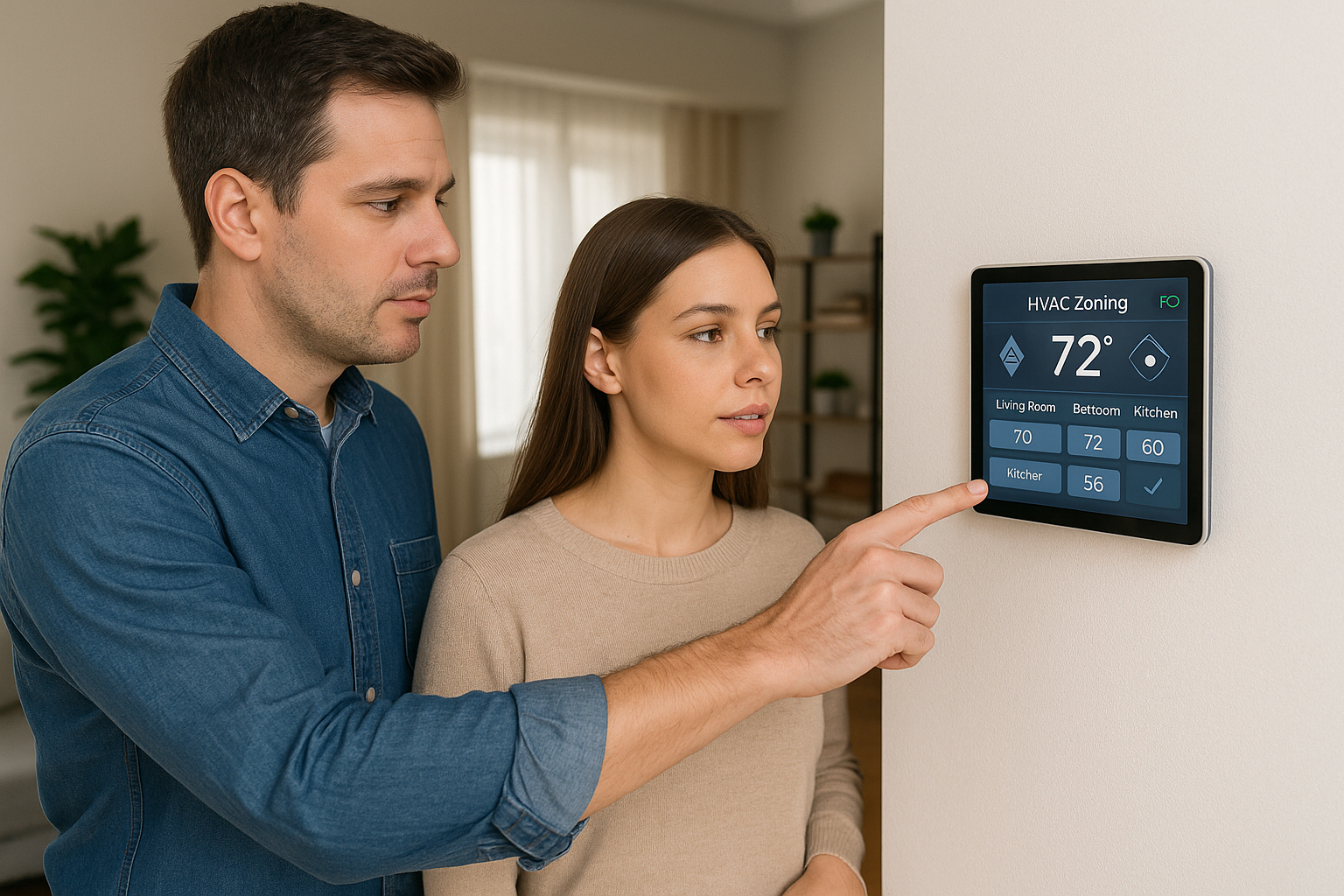





Humidifiers vs Dehumidifiers: Managing Indoor Comfort with HVAC
Getting indoor humidity right boosts comfort, protects indoor air quality, and helps HVAC run efficiently. Think of moisture as the second dial next to temperature, both should be in balance for the space to feel right. Humidifiers add moisture when air is too dry, dehumidifiers remove excess moisture when levels creep up. This section explains how each device works alongside your heating and cooling, what each is designed to solve, and how to choose an approach that fits your home.
Whole home options integrate with the HVAC system to deliver consistent control through the same ducts and air handler that serve the house. That keeps humidity more even from room to room. Portable units are useful for localized issues, such as a single room, where targeted moisture addition or removal is needed. From years of field work, we have seen that the right mix of humidification and dehumidification supports efficient HVAC operation and makes temperature settings feel more comfortable.
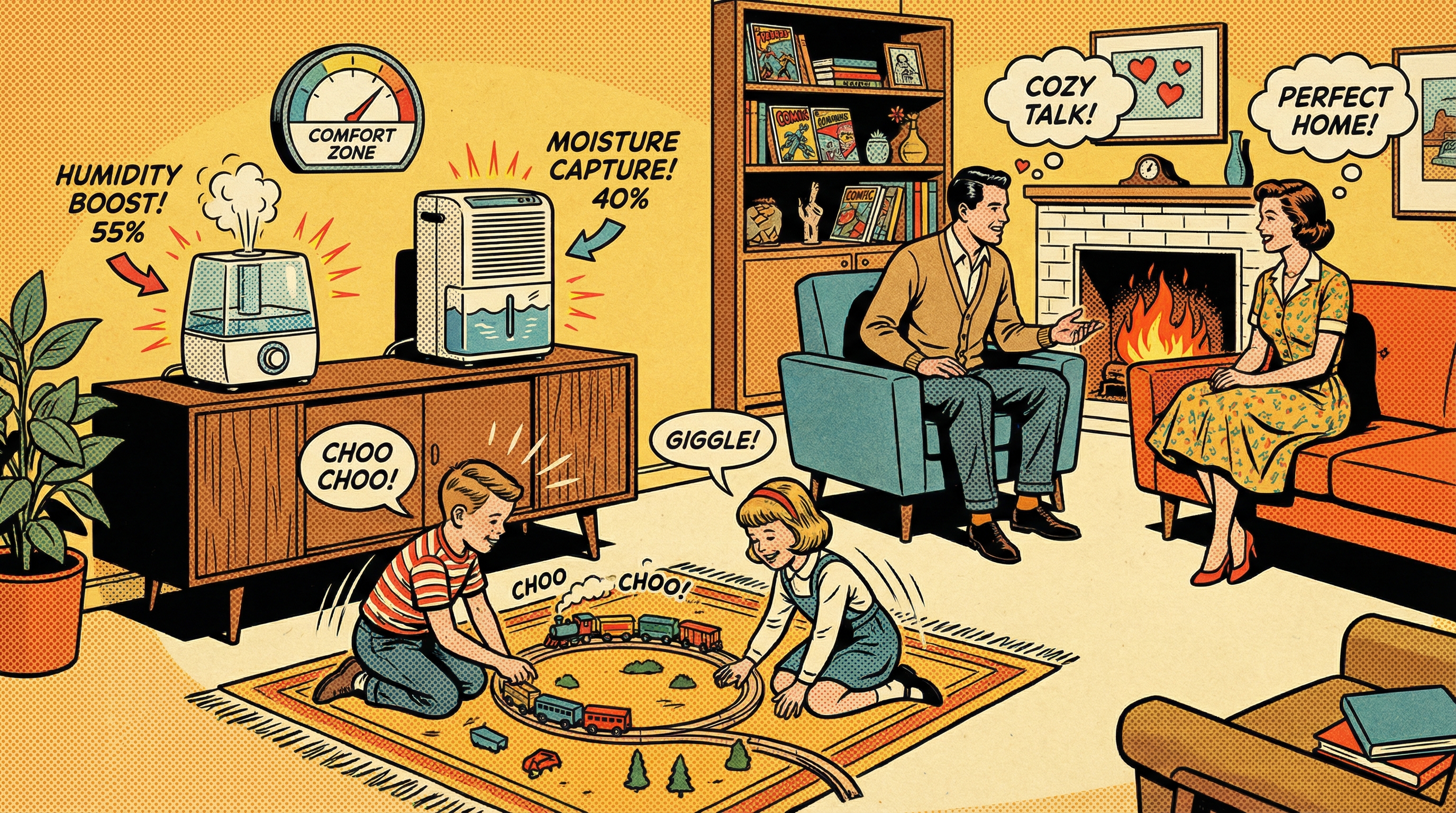
Why Indoor Humidity Matters for Comfort, Health, and Your Home
Indoor air that is too dry, common in heated homes during winter, takes a toll on people and materials. We routinely see dry skin, irritated sinuses and throat, frequent static shocks, and even wood finishes cracking when relative humidity drops. Comfort suffers and furnishings age faster under those conditions.
On the flip side, excess indoor humidity, often seen in summer, basements, or humid climates, creates a clammy feel and invites moisture problems. Condensation appears on cool surfaces, mold and mildew take hold, dust mites multiply, and musty odors develop. These are clear signs that moisture is accumulating where it should not.
The practical path is simple: measure indoor RH, then manage it. Tracking humidity lets you make timely adjustments that protect health, preserve materials, and keep rooms consistently comfortable.

Understanding Humidifiers: Types, How They Work, and When to Use One
Humidifiers add moisture in two main ways. Evaporative units move air across a wet pad or wick so water evaporates into the airstream, like a breeze over a damp cloth. Bypass models use your furnace blower, and fan powered versions include a small fan. Steam units boil water to make vapor injected into ductwork or a room, like a kettle. Steam delivers high output and precise control, but it draws substantially more electricity than evaporative designs and typically needs more service, so plan for operating cost and maintenance.
Size by the space or zone square footage and your target indoor relative humidity. Whole home models must also match duct airflow and be compatible with the furnace or air handler. In our experience at Budget Heating (BudgetHeating.com), matching technology to conditions works: evaporative and fan powered options are lower energy, steam suits larger loads or tighter control but with higher power draw. There is no federal efficiency minimum for residential humidifiers, so choose by capacity, controls, and maintenance needs. Use one whenever indoor air feels dry.
Signs You Need a Humidifier or a Dehumidifier: What to Look For
Start by measuring indoor relative humidity with a reliable hygrometer. Place it in key zones like the main living area, bedrooms, and the basement, and log morning and evening readings for about a week. This reveals daily swings and room to room differences.
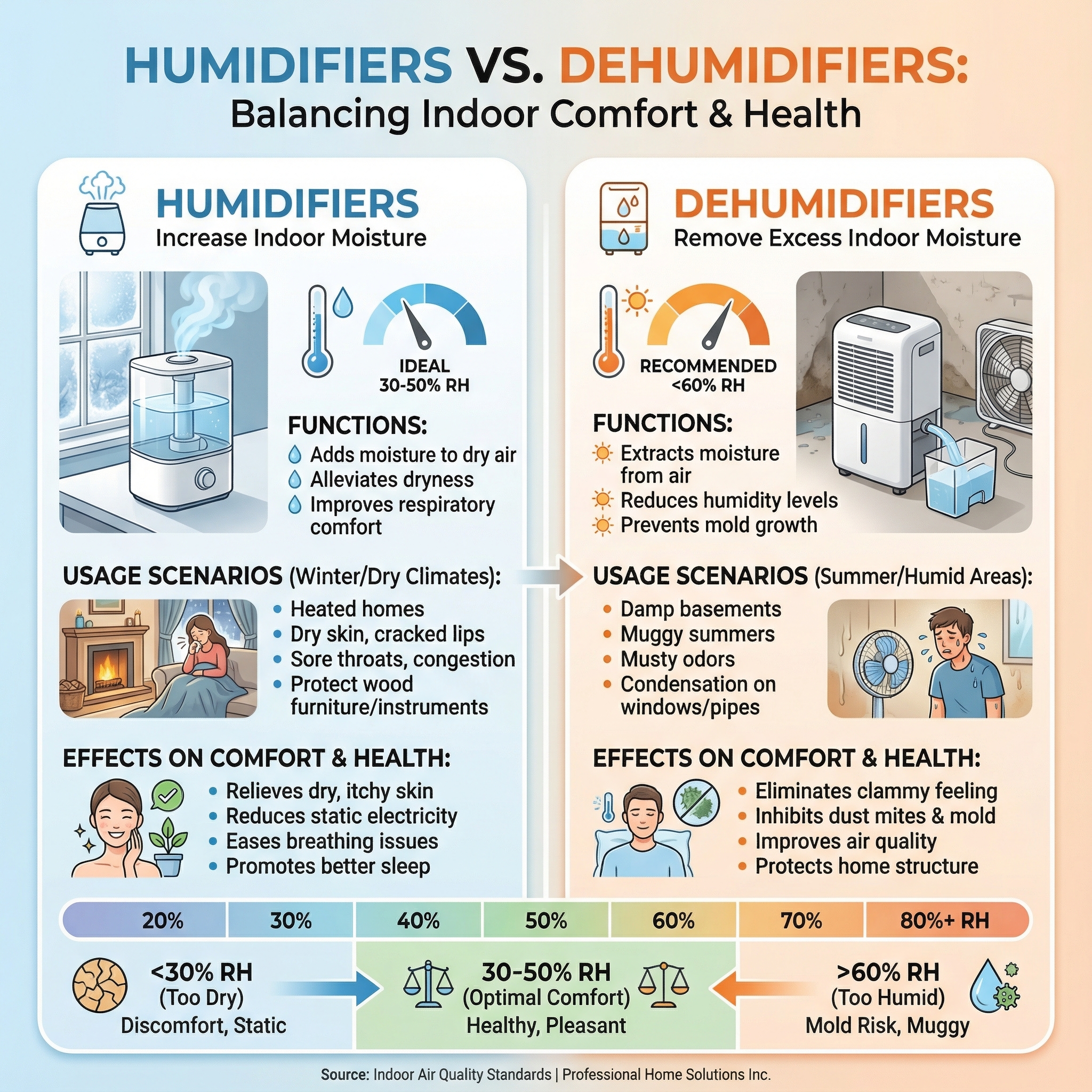
Use these thresholds: consider a humidifier if RH often falls below about 30 to 35 percent or you notice dry skin, static, or sore throat. Consider a dehumidifier if RH often exceeds about 50 to 55 percent or you notice sticky air, window condensation, musty odors, or mildew.
Know your tools: a hygrometer measures humidity. A humidistat controls it, like a thermostat for moisture, turning humidifiers or dehumidifiers on and off at a set point. If you have a built in humidistat, verify it against the portable hygrometer so the set point matches reality.
Energy Use, Running Costs, and Efficiency: How Humidity Control Affects HVAC Bills
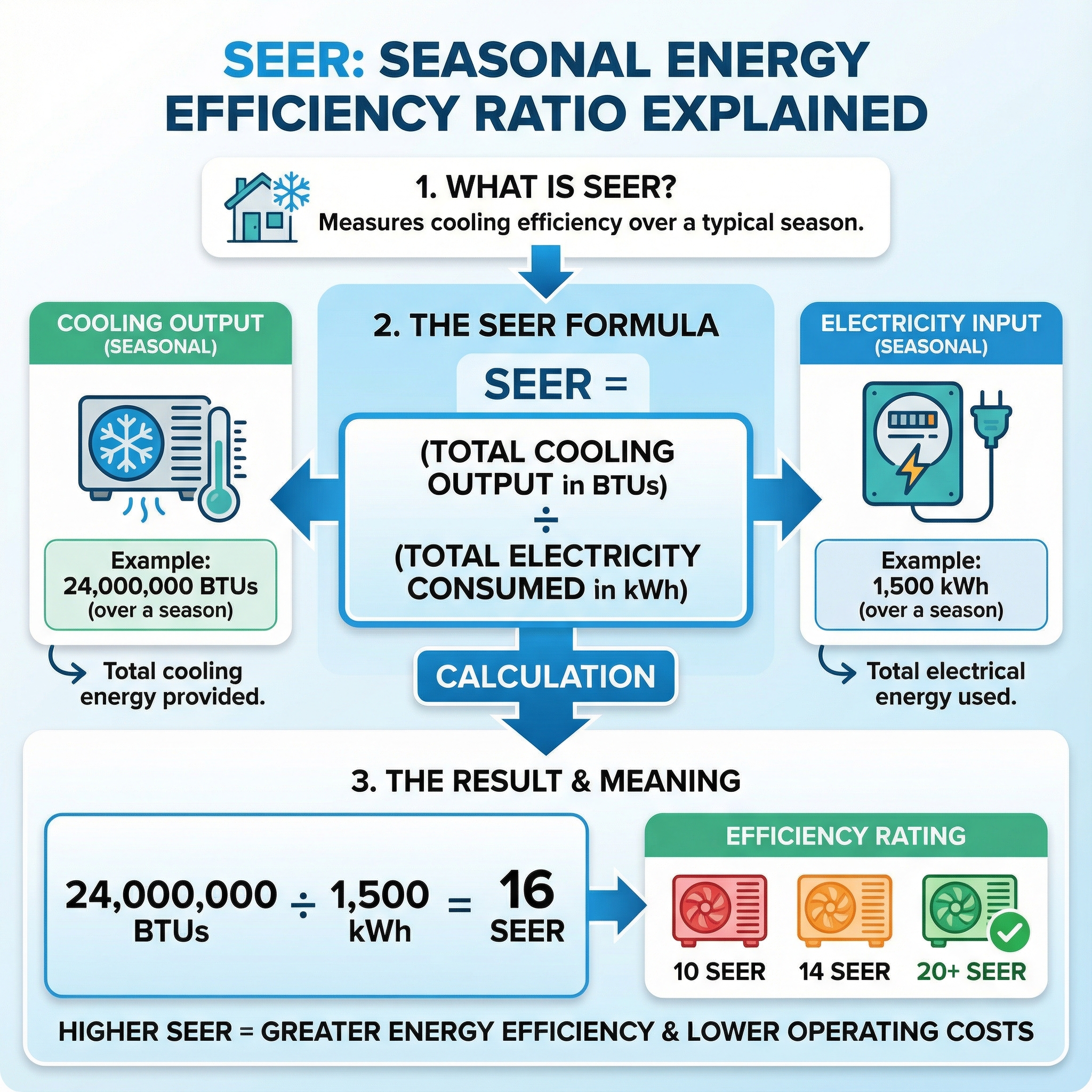
Lowering indoor humidity makes spaces feel cooler. A practical guide: dropping about 10% RH can feel like a 10 F change, which lets you raise the thermostat and cut runtime. In winter, adding humidity supports slightly lower setpoints, but savings only accrue if the humidifier's energy draw is modest. SEER and SEER2 measure seasonal cooling efficiency for AC and heat pumps, not humidifiers or dehumidifiers. Older systems were roughly 8-10 SEER, many modern units are 14-25, and SEER2 is a stricter test with regional minimums. Upgrading from about 10 to 16 SEER can reduce cooling energy near 38%. Reduce latent load with dehumidification and the AC cycles less, and pairing that with a higher SEER or SEER2 system compounds savings. Choose high IEF dehumidifiers, lower power humidifiers, ENERGY STAR where available, and weigh steam versus evaporative options.
Understanding Dehumidifiers: Types, How They Work, and When to Use One
Dehumidifiers lower moisture by either chilling air to wring out water or by absorbing vapor into a drying medium. Refrigeration units pull air across a cold evaporator coil, moisture condenses like beads on a cold glass, then the air is reheated and returned dry. Desiccant units use a moisture-absorbing wheel that is heated to purge collected water.
- Refrigerant/compressor: best for warm, humid spaces such as basements and living areas. Efficient above roughly 60 F.
- Desiccant: better in cool or unconditioned areas like garages, crawlspaces, and cabins, maintains performance at low temperatures.
- Thermoelectric (Peltier): for very small enclosures, closets or equipment cabinets.
Efficiency is rated by DOE's Integrated Energy Factor, higher IEF means more water removed per kWh. Residential units follow updated DOE test procedures with phased compliance, and a voluntary ENERGY STAR specification with higher IEF thresholds may unlock utility rebates. Manufacturers are transitioning refrigerants in refrigeration based models to lower GWP blends to meet evolving regulations. In our experience, matching technology to space and climate delivers the best comfort per kilowatt.
Ideal Indoor Humidity by Season & Region: Tradeoffs, Limits, and When to Choose Alternatives
In our field experience, most homes feel and perform best around 30 to 50 percent relative humidity. Keep it under about 60 percent to limit mold and dust mites. Industry guidance aligns with a 30 to 60 percent band, with residential targets commonly set at 30 to 50 percent.
- Cold or dry regions in winter: aim roughly 30 to 40 percent. This balances comfort while reducing window and wall condensation risk.
- Warm or humid regions in summer: dehumidification is often essential. Keep indoor RH at or below about 50 percent, and always under 60 percent.
- Arid or mixed climates: many homes need humidification in winter and dehumidification in summer, depending on tightness and usage.
Common pitfalls we see: air conditioners do not control humidity precisely, oversized equipment makes RH worse, portables rarely solve whole‑home issues, and lowering the thermostat does not fix humidity. With proper sizing and controls, dehumidifiers will not overdry, and humidifiers do not cause mold when used and cleaned correctly.
When not to lean on humidifiers or dehumidifiers: major air leaks or poor insulation call for envelope and duct improvements first, bulk water or drainage problems require building repairs, and high indoor moisture sources need ventilation or behavior changes. Cost and payback vary widely by climate, envelope, HVAC efficiency, and run time, so standardized numbers are not reliable.
Integrating Humidity Control with Your HVAC: Whole‑House vs Portable Options
Whole-house units tied into ductwork keep humidity consistent across rooms. Portables cost less and suit a basement or nursery, but they cannot balance the whole home. Whole-home installs require a ducted forced-air system, water line and drain for humidifiers, condensate drain or pump for dehumidifiers, proper electrical, and service clearance. Confirm code items: correct condensate discharge, corrosion resistant materials, accessible shutoffs, and backflow prevention.
Controls matter. Use a humidistat or a smart thermostat with humidity control. Start near 30 to 40 percent in winter and 45 to 50 percent in summer. Keep sensors away from supply vents, kitchens, and baths. In our experience at Budget Heating (BudgetHeating.com), correct control placement prevents many callbacks.
Ask contractors:
- Device type for your climate
- How capacity was sized (gal/day or pt/day)
- Drain and electrical plan
- Thermostat or humidistat integration
- Maintenance access and schedule
- Noise levels and warranty terms
Maintenance, Troubleshooting, and When to Call an HVAC Technician
Keep indoor relative humidity at 30 to 50 percent. For sensitive occupants keep it at or below about 50 percent and consult healthcare providers. After any new install, verify within 24 to 72 hours that RH stabilizes, check for condensation, leaks, and proper cycling, then set reminders.
- Empty tanks daily and sanitize portable humidifiers weekly to limit microbial growth.
- Clean or replace dehumidifier filters and empty buckets or verify drain hose or pump operation.
- Replace humidifier pads 1 to 2 times per heating season.
- Change the HVAC air filter every 1 to 3 months.
- Flush condensate lines annually.
- Reduce source moisture: run bath and kitchen exhaust fans, vent dryers outdoors, fix leaks, manage gutters, and use crawlspace vapor barriers.
If control is poor or units short cycle, check dirty filters, blocked airflow, full buckets, kinked drains, or tripped float switches. Icing, warm coils that should be cool, or repeated shutdowns suggest electrical or refrigerant issues.
Never perform electrical work or handle refrigerant. Maintain CO detectors where combustion exists, and keep tanks and drains clean. Hire a licensed technician for whole house integration, steam humidifier repairs, refrigerant faults, combustion or CO concerns, condensate pumps or concealed drains, and duct connection and humidistat calibration checks. Refrigerant handling and disposal are regulated. Bottom line: measure RH, clean routinely, replace consumables, and leave complex work to qualified technicians.
Balancing Humidity for Year‑Round Comfort: Next Steps for Homeowners
Here is the bottom line: keep relative humidity in a healthy band, measure it regularly, and pair the right humidifier or dehumidifier with your HVAC so comfort, health, and efficiency all improve together. If your readings swing by season or rooms feel clammy or overly dry, you are not alone, that is a common sign the home needs better control.
Start with accurate RH readings, then choose portable or whole‑home equipment, size it correctly, integrate controls, and stick with simple upkeep. Our team can pinpoint the right solution and ensure it plays nicely with your furnace or heat pump. With 30+ years in HVAC and over 200,000 orders fulfilled, we back recommendations with hands‑on know‑how, factory warranties, and U.S. phone support.
- Get a Custom Quote for a properly sized whole‑home humidifier or dehumidifier.
- Talk to Our Team by phone or chat for fast, U.S.-based technical help.
- Shop Humidifiers & Dehumidifiers at wholesale pricing, with free shipping on most orders and financing through Affirm.