




How Smart Home Technology Works with Your HVAC System
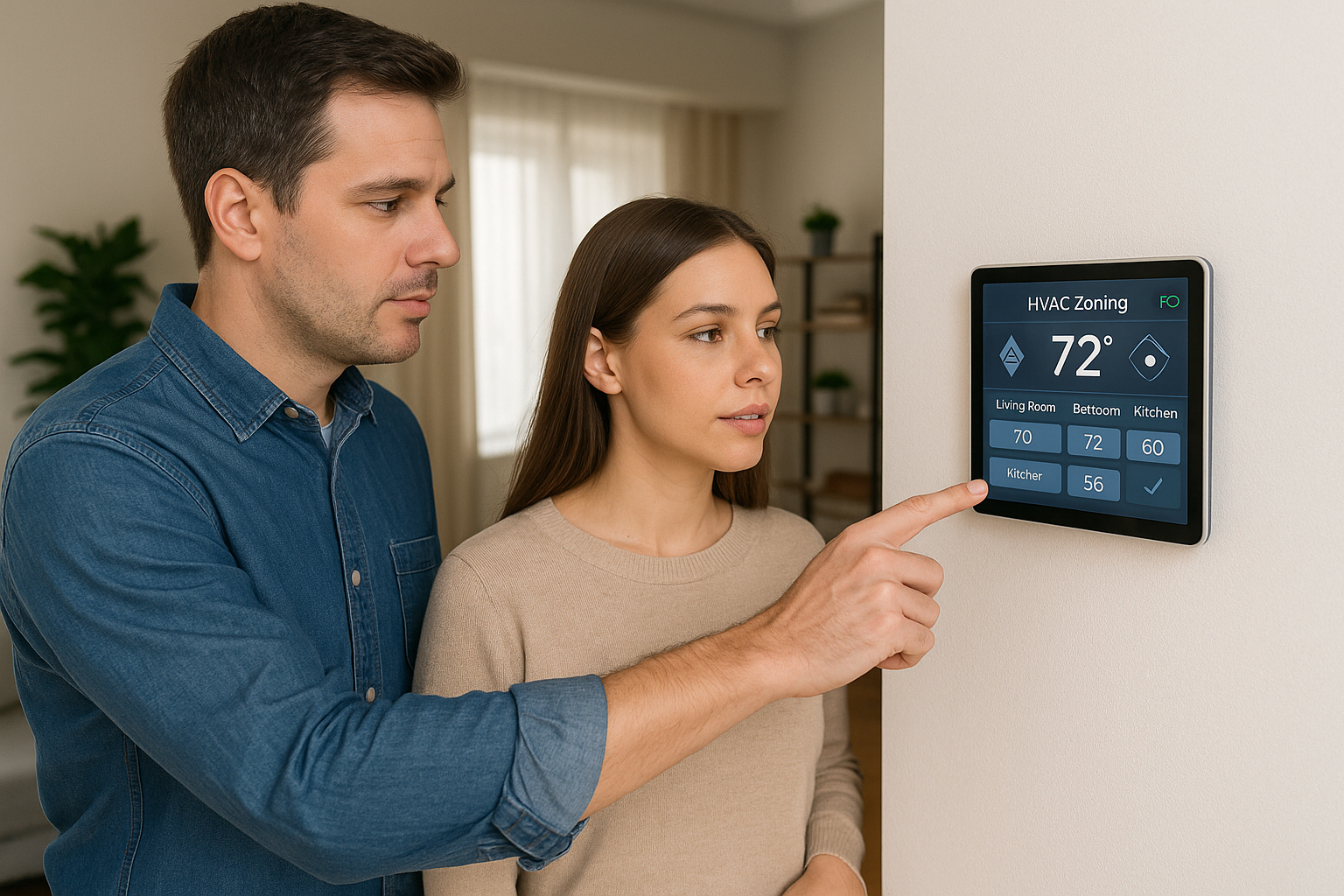
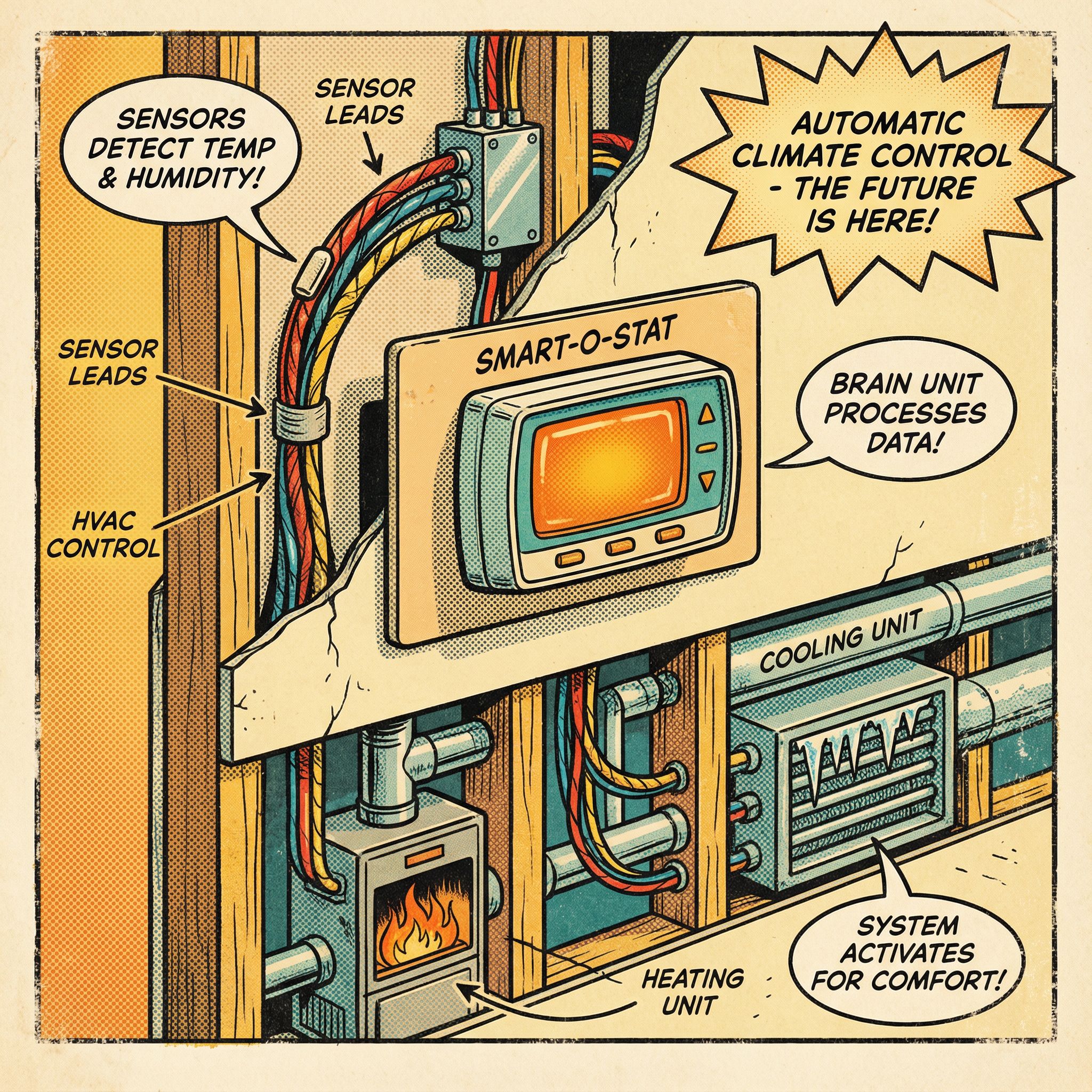
Smart HVAC integration links your thermostat, sensors, and controllers to the home network. Using schedules, occupancy, geofencing, and learning, it fine tunes comfort, improves efficiency, supports indoor air quality, and gives you simple remote monitoring.
- Smart thermostat: brain for schedules, geofencing, learning
- Sensors: temperature, humidity, occupancy
- Controllers: connect furnace, heat pump, air handler, ventilation
- Gateway or hub: links devices to Wi-Fi or Zigbee/Z-Wave
Why Upgrade to a Smart HVAC System? Benefits, ROI and Real World Savings
With 30+ years in HVAC and well over 200,000 fulfilled orders behind us, we have seen smart controls consistently deliver better comfort and lower bills. Think of them as cruise control for your home, steady, efficient and responsive to real conditions.
- Energy savings: schedules match your routine, geofencing sets back when the last phone leaves, learning trims waste over time, occupancy sensors ease conditioning in empty rooms. These tools typically cut HVAC energy use by 10 to 25 percent.
- Room by room comfort: sensors and zoning smooth out hot and cold spots, often holding rooms within 1 to 2 degrees of setpoint.
- Improved IAQ: particulate, VOC, humidity and CO2 sensors can trigger filtration, ventilation or fan circulation for cleaner air.
- Remote and voice control: adjust temps, vacation mode and status checks from anywhere, hands free if you prefer.
- Preventive alerts: filter and coil reminders, abnormal runtime flags and freeze or condensate warnings reduce surprise breakdowns, a $150 tune up beats a $2,000 failure.
- Data and insights: run time and energy reports highlight what to tweak for more savings.
- Environmental gains: lower kWh and therms mean fewer emissions, and time of use strategies can shift loads off peak.
- Reliable backbone: a strong network, Wi Fi or wired, keeps automations stable.
- Platform and compatibility: pick an ecosystem you already use, and verify support for heat pumps, dual fuel and inverter equipment to stay future ready.
- Professional setup and firmware: proper commissioning, sensor placement and regular updates keep performance high.
- Ecosystem integration: coordinate with shades, lighting and occupancy for compound efficiency.
In practical terms, homes that spend $1,200 to $2,500 per year on heating and cooling often save $120 to $625 annually, with payback in 1 to 3 years. Comfort improves at the same time, which is the return you feel every day.

Real Money and Energy: Expected Savings from Smart Thermostats and Controls
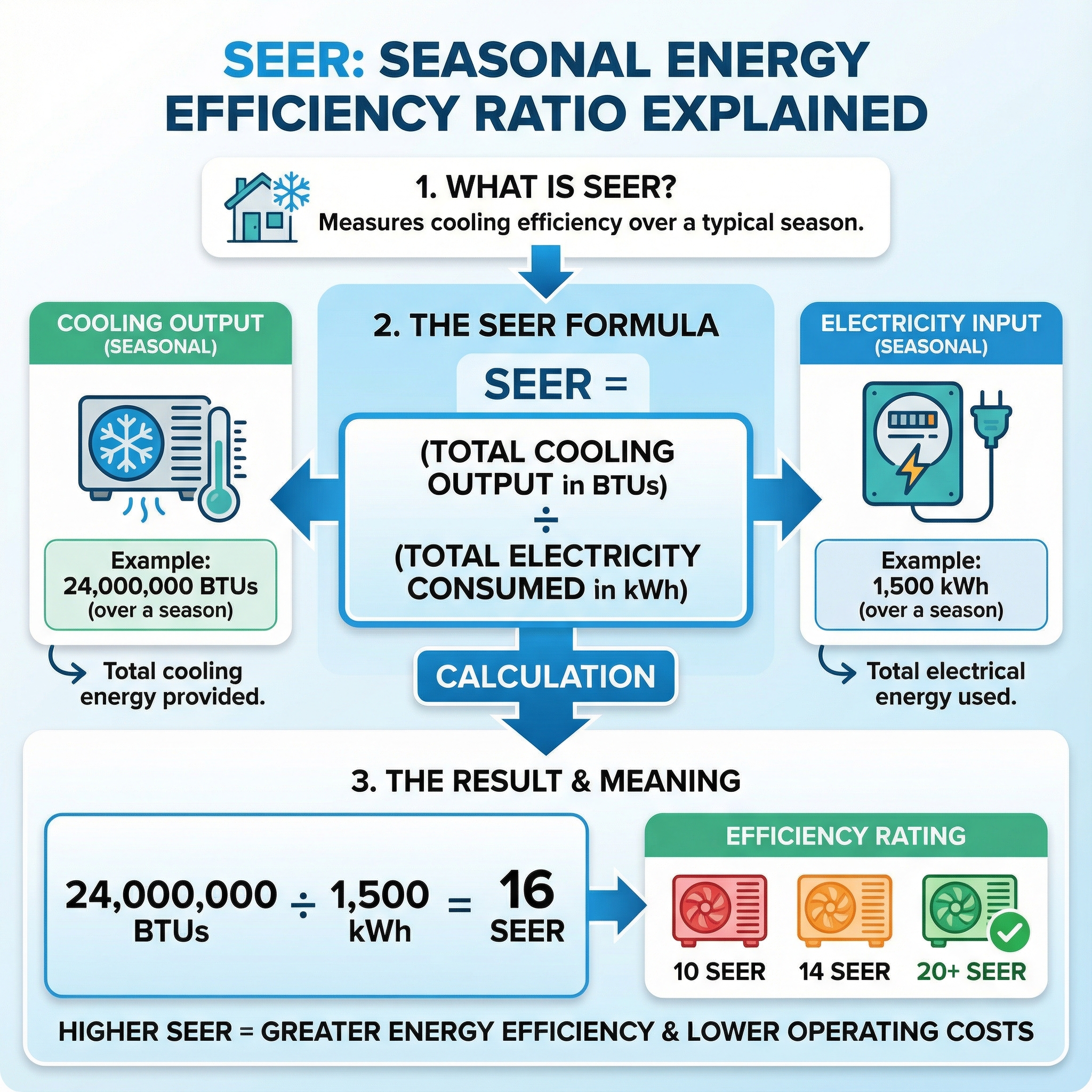
In our field experience, smart thermostats typically trim heating by about 10 to 12 percent and cooling by up to about 15 percent. Actual dollar payback depends on your climate, how predictable your occupancy is, how consistently schedules and setpoints are used, the efficiency of the equipment they control, and participation in utility programs. Extreme climates and homes that sit empty for chunks of the day usually see bigger returns. Pairing controls with efficient gear raises the ceiling. For example, moving from an older 10 SEER system to a modern 16 SEER compounds the savings a thermostat delivers. The higher your starting bills and the more run time you can prevent, the faster the payback.

Limitations and Common Mistakes: When Smart HVAC Is Not the Right Choice
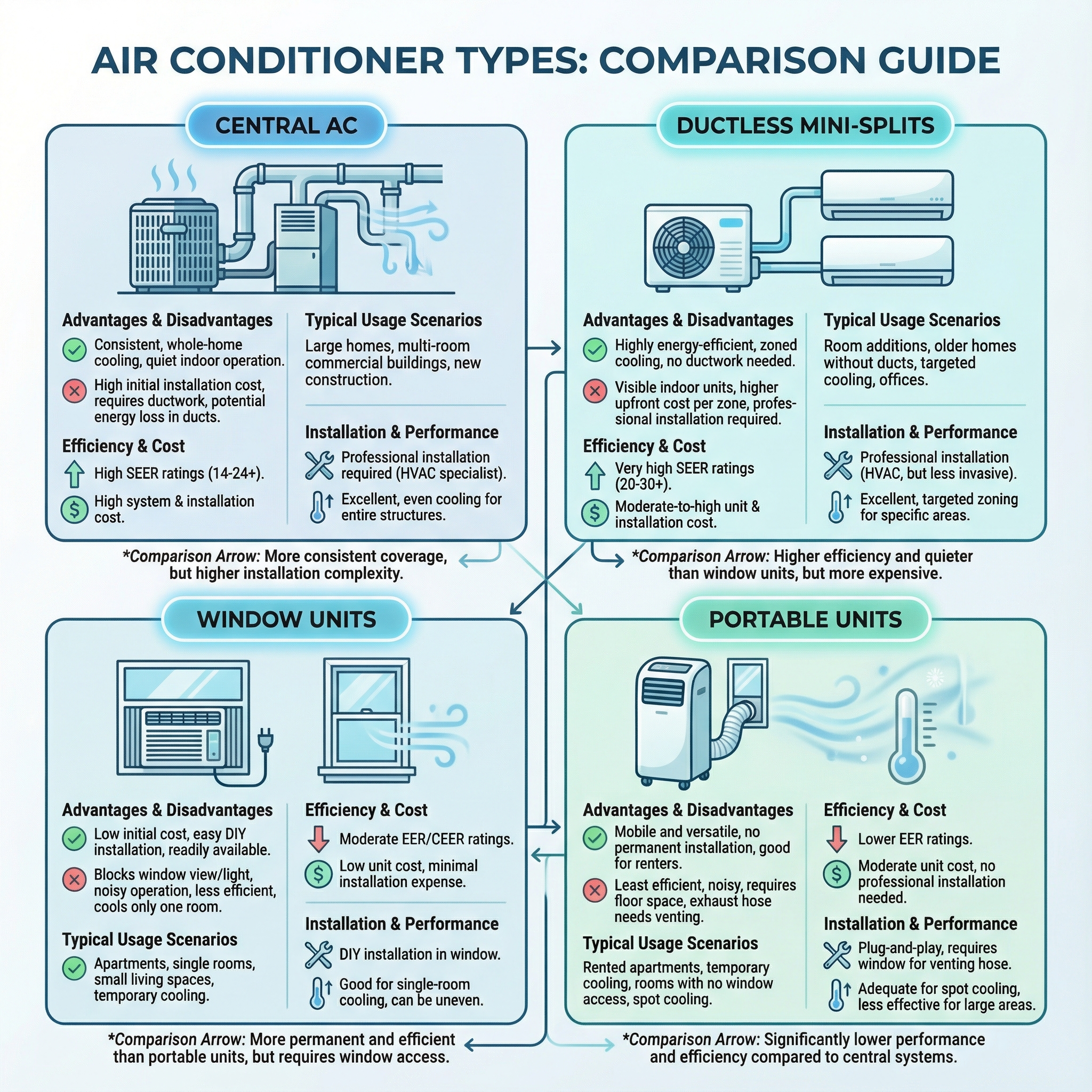
Smart controls can polish a good system, they cannot rescue a bad one. From our installs and tech support logs, the fastest payback often comes from fixing fundamentals first. If ducts leak, insulation is thin, or windows bleed heat, invest in sealing, balancing, and envelope upgrades before app controls. If Wi Fi is unreliable or the space is a short term rental, a simple programmable thermostat and hardwired sensors are more dependable. In homes with oversized equipment or steam and gravity systems, right sizing or adding a small ductless unit for a problem room beats layering on smart gadgets.
- Refrigerant myths: a system is closed, yearly top offs signal a leak that needs repair.
- Cranking the thermostat does not cool or heat faster, it only overshoots.
- Manual short cycling wears compressors and slashes efficiency.
- Oversized equipment short cycles, leaving humidity control poor.
- Smart tech does not replace maintenance, filters and coils still need service.
- Treating devices in isolation ignores duct design and airflow limits.
- Closing supply vents to cure hot rooms raises static pressure and can damage blowers.
- Over reliance on SEER alone, consider install quality, sizing, and climate.
A smart thermostat is like cruise control on bald tires, fix traction first, then add features.
SEER vs SEER2 and How Smart Controls Affect Real World Efficiency
SEER is seasonal energy efficiency ratio, total cooling output divided by seasonal watt-hours. SEER2 uses an updated, tougher test that mirrors real ductwork and blower loads, so ratings are more realistic and often slightly lower. Current minimums are about 13.4 to 14.3 SEER2. Most modern systems fall 14.3 to 20 SEER2, with top tier higher. Upgrading 10 SEER to 16 SEER cuts cooling energy about 38%. In our installs, smart controls tune staging, fan speed, schedules, and humidity targets, helping the unit deliver its nameplate SEER2 in everyday use.
Homeowner Checklist: Compatibility, Sensors, Networking and Installation Prep
- Verify system and wiring: identify furnace, heat pump or dual fuel, and confirm 24V controls. Note R, C, Y, G, W and O/B (for heat pumps).
- C wire readiness: check for a C at the thermostat. If missing, plan a new conductor, an add a wire kit, or a plug in power adapter.
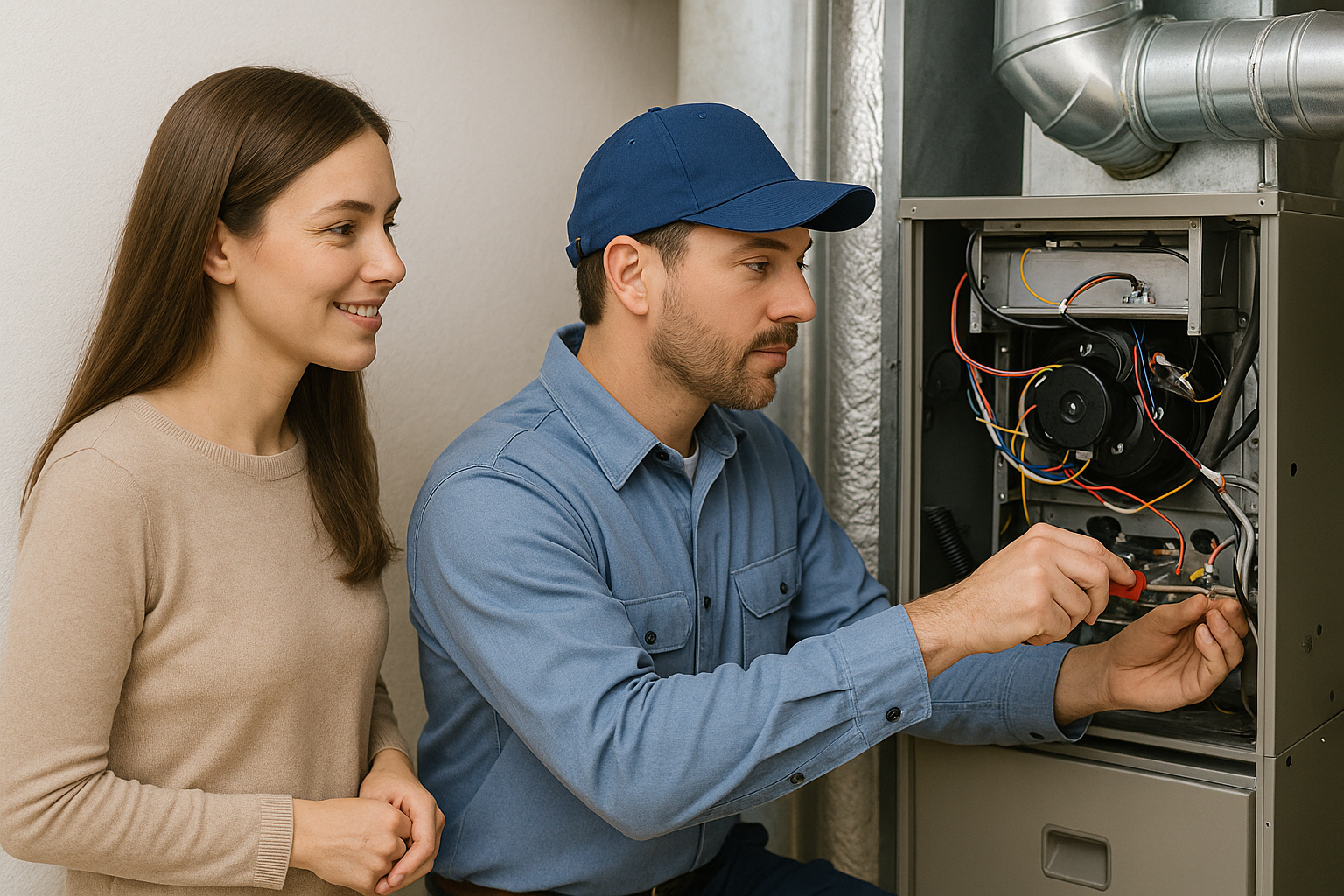
- Inventory and photos: record indoor and outdoor model numbers and any accessories. Take clear pre install photos of the thermostat plate and label every wire. In our experience at Budget Heating (BudgetHeating.com), good photos prevent most hiccups.
- Sensor placement: mount the thermostat on an interior wall 4 to 5 ft high, away from sun, drafts and supply vents. Place room and IAQ sensors in spaces you care about most.
- Networking and platform: verify strong 2.4 GHz Wi Fi at the thermostat location, choose your app or hub, and enable MFA with unique passwords.
- Devices and IAQ: select thermostat plus room or IAQ sensors. Use smart vents sparingly to avoid static pressure issues. Plan control for humidifier, dehumidifier and ERV or HRV.
- Budget and ROI: include devices, adapters and any pro labor. Typical savings are 10 to 20 percent, with payback in 1 to 3 years.
- Install prep: cut power at the breaker, match wires to your notes, complete setup, then test heat, cool and fan.
Regional Rules and Equipment Choices: SEER2, Climate Fit and Incentives
SEER2 is the yardstick regulators use now, and minimums differ by region. Your new system must meet your area’s floor and be an AHRI matched pair to pass permitting, qualify for rebates, and keep the warranty clean. In our experience at Budget Heating (BudgetHeating.com), pairing the right outdoor unit with variable speed airflow and a smart thermostat checks the compliance boxes and opens the door to incentives and utility demand response credits.
Choose equipment for climate fit: in humid areas, inverter or variable speed systems run longer at low output to wring moisture, like cruise control keeping a steady pace. In dry, very hot regions, high SEER2 and robust condensers matter. Cold climates call for cold climate heat pumps or dual fuel with smart lockouts. The percentage savings you expect hinge on matching controls to climate, and these choices also reduce peak load and emissions.
Maintenance, Safety and Long Term Monitoring: Who Does What and When
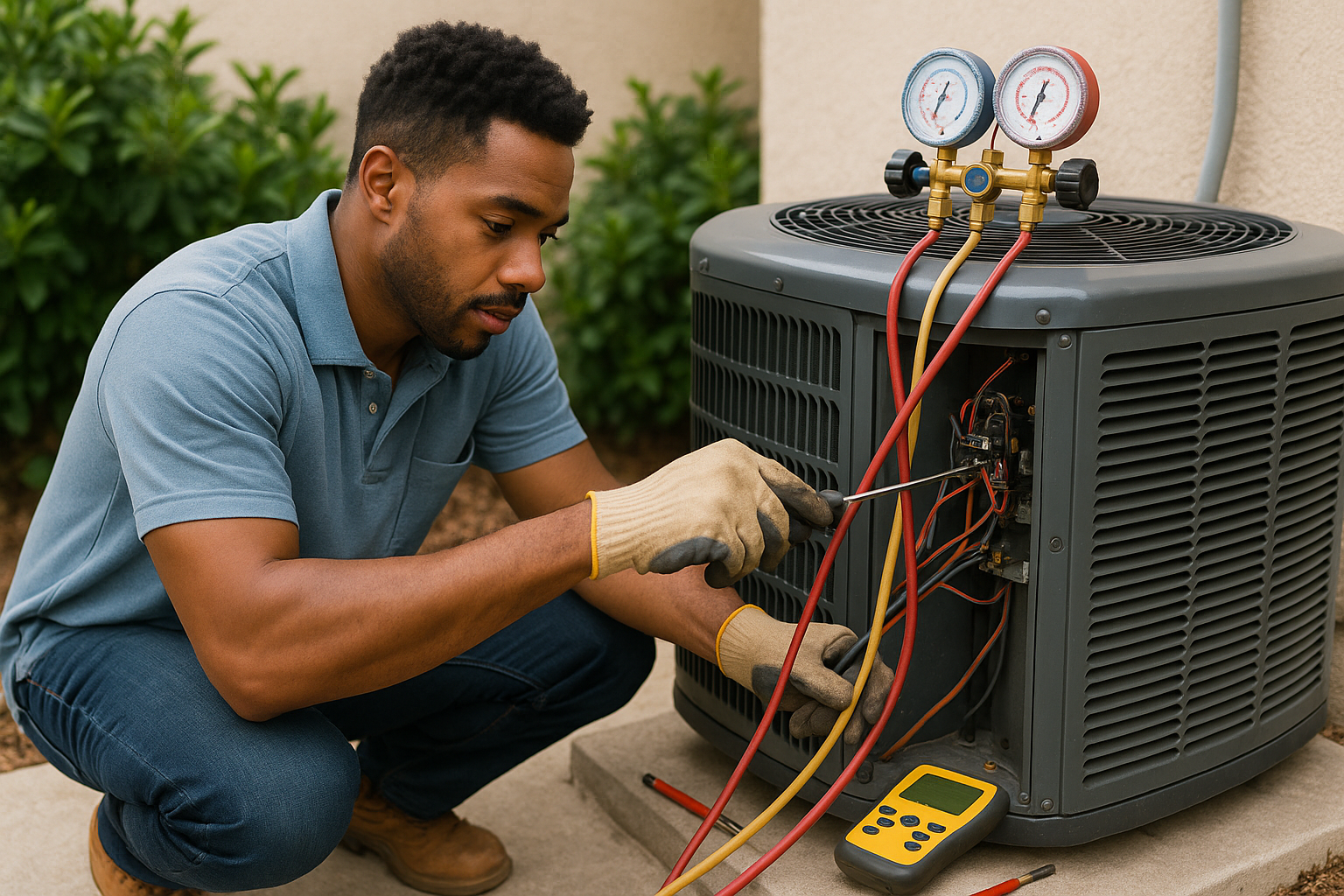
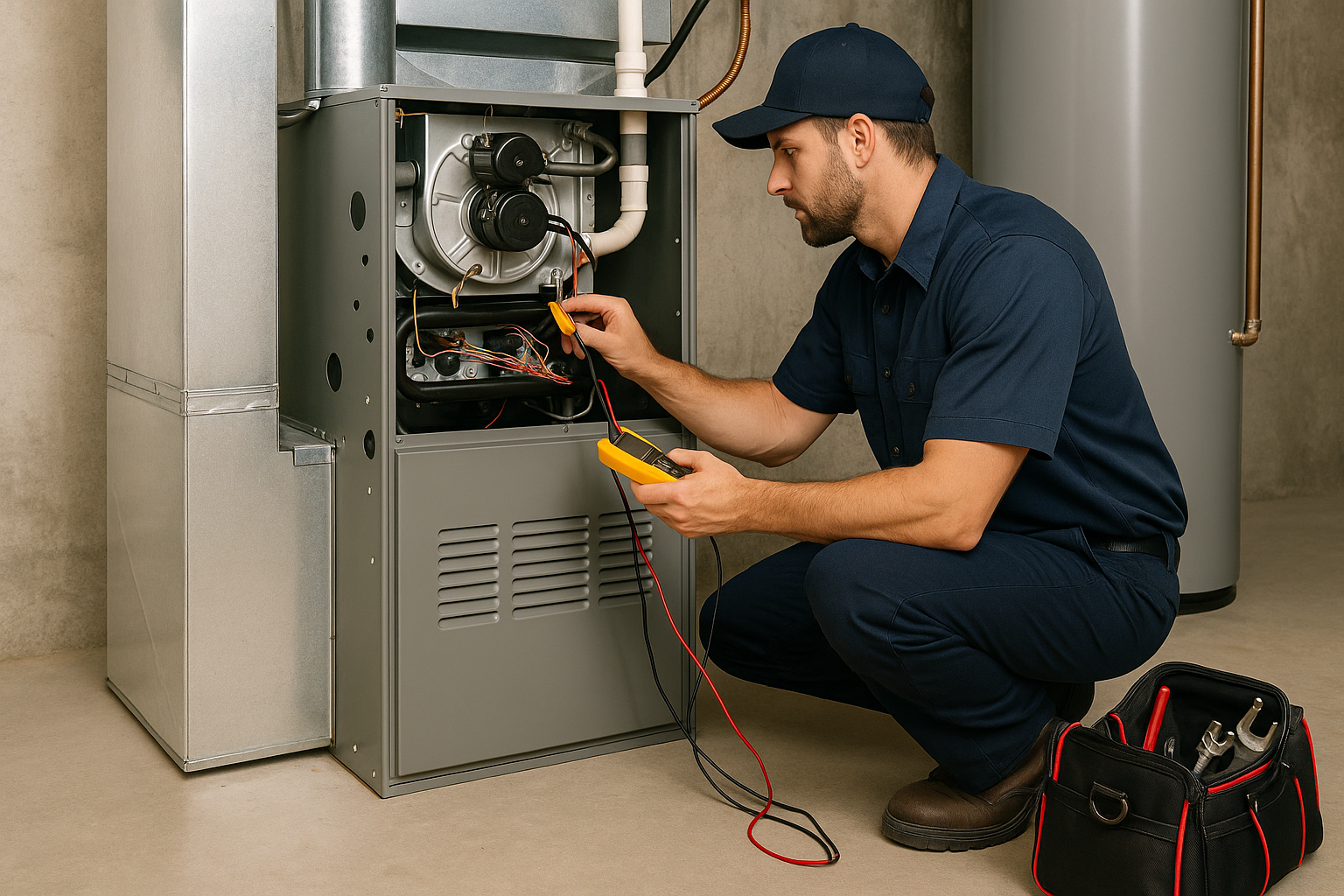
In our field experience, DIY means monitoring dashboards, swapping filters, and keeping the outdoor unit clear with a gentle rinse. Pro only: refrigerant charging or leaks, electrical diagnostics, and any combustion work. Safety first: de-energize at the disconnect and breaker before touching equipment, and never bypass safety interlocks. Smart sensors track temps, pressures, and runtime, sending alerts that catch issues early and guide timely checkups.
Scaling Up: ACMV, HVAC Control Design Best Practices and Questions for Contractors
In multi-zone and commercial ACMV, we scale capacity and airflow by zone. We use Manual J for loads and Manual D for ducts. We size handlers and dampers, pressure-test ducts, and set static targets. For filtration, we choose MERV 8 to 13, then check the fan curve. Higher MERV often needs more filter area. Commissioning covers air balance, damper tuning, verified refrigerant charge, and controls trending.
- Are controls and thermostats compatible?
- Is a C-wire present for smart stats?
- Do we qualify for rebates or incentives?
- What are parts and labor warranties?
Next Steps: Plan, Secure and Upgrade Your Smart HVAC System
When thermostats, distributed sensors and controls work together through local and cloud orchestration, you get steadier comfort, cleaner air, lower costs and longer equipment life. Lock in those gains by confirming device compatibility, tightening network security, keeping firmware current and involving qualified pros.
Choosing the right parts and rollout can feel complex.
We have 30+ years in HVAC and design these systems every day, so our factory authorized team can map a clear, staged plan for your home.
- Get a Custom Quote
- Talk to Our Team by phone for fast, U.S.-based support
- Shop Thermostats & Controls with wholesale pricing, free shipping and Affirm financing