




How Much Does a Mitsubishi Mini Split Cost? A Quick Overview
In 2026, we see Mitsubishi ductless mini splits, a compact heat pump with an outdoor unit and one or more quiet indoor heads, priced for equipment alone from about $1,500 to $12,000 depending on size and zones. Installed totals vary with line length, electrical work, and wall or ceiling placement, typically landing in the mid to high four figures for single zone, and moving into five figures for larger multi zone homes. Because a heat pump transfers heat rather than generating it, many owners gain steadier comfort and long term utility savings.
Quick Answer: Typical Price Ranges: Unit Price vs. Fully Installed
For quick budgeting: equipment only commonly runs $1,500-$12,000. Typical installed pricing is single-zone $3,800-$6,800, 2-3 zone $6,500-$11,500, and larger multi-zone $9,500-$15,500+.
Equipment price covers the hardware only: indoor unit(s), outdoor condenser, and standard controller. Fully installed pricing adds labor and job materials, such as refrigeration line set, pad or wall bracket, electrical disconnect and whip, condensate handling, vacuum, charge and commissioning, and controls setup. Expect small soft costs as needed, like electrical upgrades $200-$500, permits $100-$300, and decorative line-hide $100-$300. In practice, that is the difference between a boxed kit and a finished, code-compliant system.
What's Included in the Price: Unit, Labor, Materials and Add Ons
Every bid bundles equipment, labor, materials, and add ons. In our experience, the primary price drivers are consistent, so line them up to keep quotes apples to apples.
- Indoor heads: more zones add units, fittings, and start-up time.
- BTU capacity: larger tonnage can require thicker line sets and bigger breakers.
- SEER2/HSPF2 and Hyper Heat: higher tiers cost more, often save 30 to 50%, and stay quieter in cold weather.
- Indoor style: wall mount is simplest, cassettes or ducted add carpentry and drain work.
- Line set length/routing: longer or concealed runs add sleeves, line hide, and labor.
- Electrical and condensate: new circuits, disconnects, surge protection, gravity drains or pumps.
- Mounts/pads: wall brackets, roof stands, or ground pads as the site requires.
- Controls and accessories: Wi Fi controls, branch boxes, insulation, and hardware.
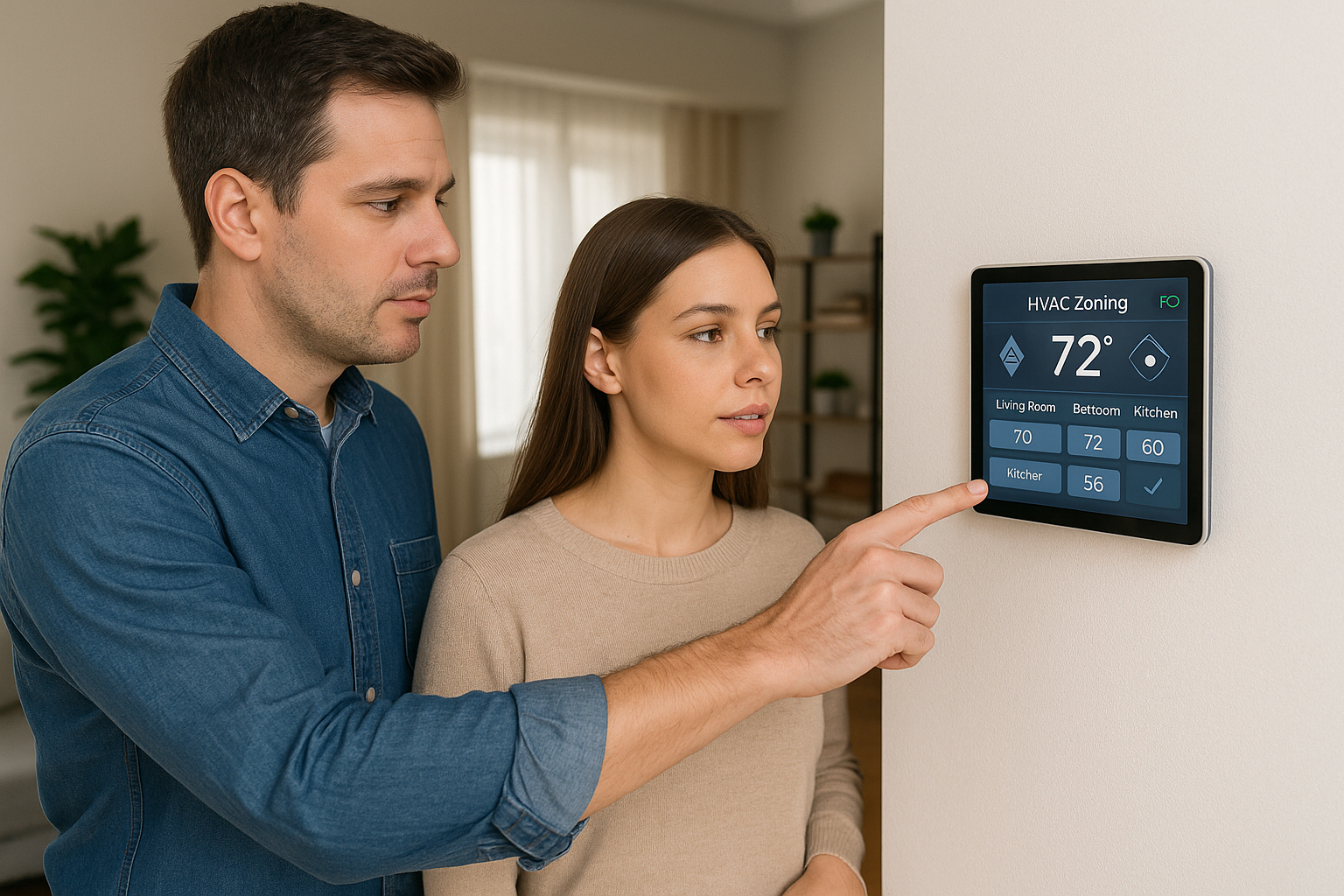
Zoned designs also avoid duct maintenance and deliver targeted comfort for the dollars spent.
Average Cost to Install a Single Zone Mitsubishi Mini Split (What to Expect)
From single zone projects we routinely see, typical installed totals land between $3,800 and $6,800. That assumes a wall mount indoor unit, a short line set, and no panel upgrade. Price moves with common adders: electrical work (new dedicated circuit or a longer run), permits, line hide covers for a clean exterior, and a condensate pump if gravity drain is not possible.
The biggest cost lever is sizing. Insist on a Manual J load calculation, not a rule of thumb. Manual J tallies heat gain and loss from square footage, insulation, window area, orientation, and air leakage, then matches capacity to the room. It is like choosing the right shoe size, too small is uncomfortable, too big wastes money and comfort.
- Define the zone and indoor unit style, wall, floor, or ceiling cassette.
- Plan the site, outdoor location and line set routing.
- Verify commissioning steps, pressure test, deep vacuum, and controls setup.
- Keep warranty and incentive documentation organized.
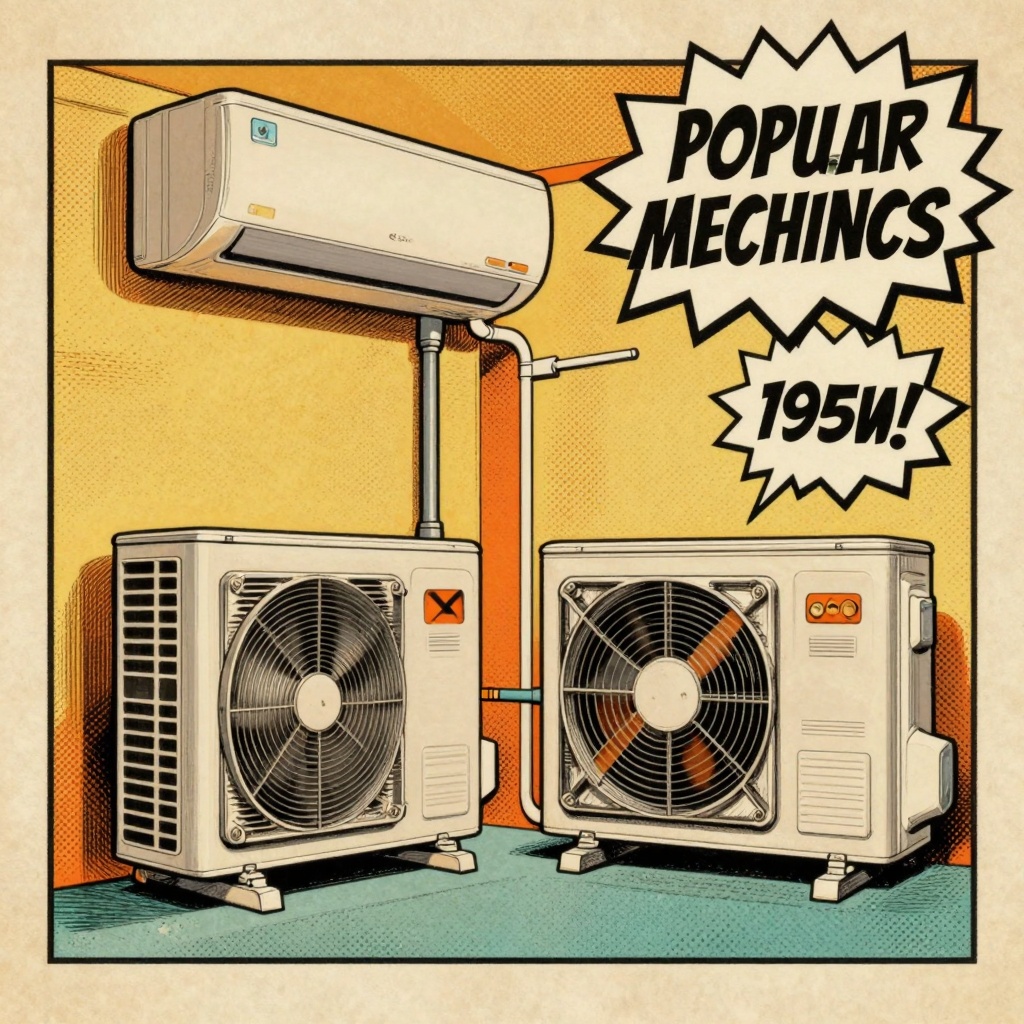
When a Mitsubishi Mini Split May NOT Be the Best Choice (Tradeoffs & Alternatives)
In our experience, ductless shines in targeted rooms, but it is not universal. Consider other paths when:
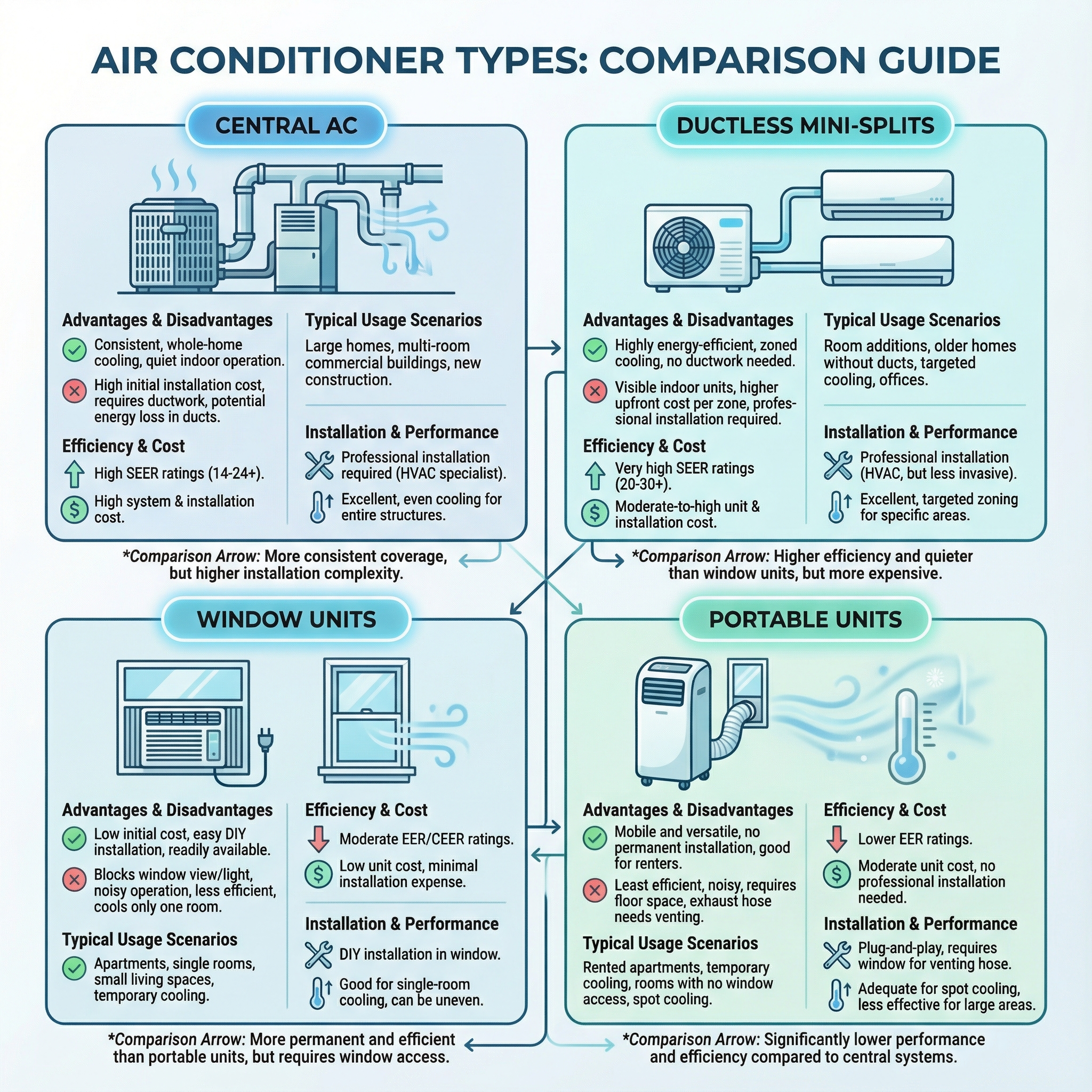
- Whole-home with good ducts: a central heat pump or gas furnace with AC can cover many rooms more cleanly and economically.
- Very cold regions: standard units lose output near freezing. Either step up to Hyper-Heat at a premium or use backup heat. Ducted cold-climate heat pumps or dual-fuel furnaces fit better.
- Many small rooms or high humidity: oversized heads weaken dehumidification. A small ducted air handler feeding several rooms or a central system holds humidity steadier.
Avoid assuming one universal price, fixating on sticker cost, or per-room rules of thumb. Regional SEER2 minimums, labor, and permitting materially affect the real total and model selection.
Mitsubishi Model Price Guide: Entry Level to Premium (Efficiency Tiers Explained)
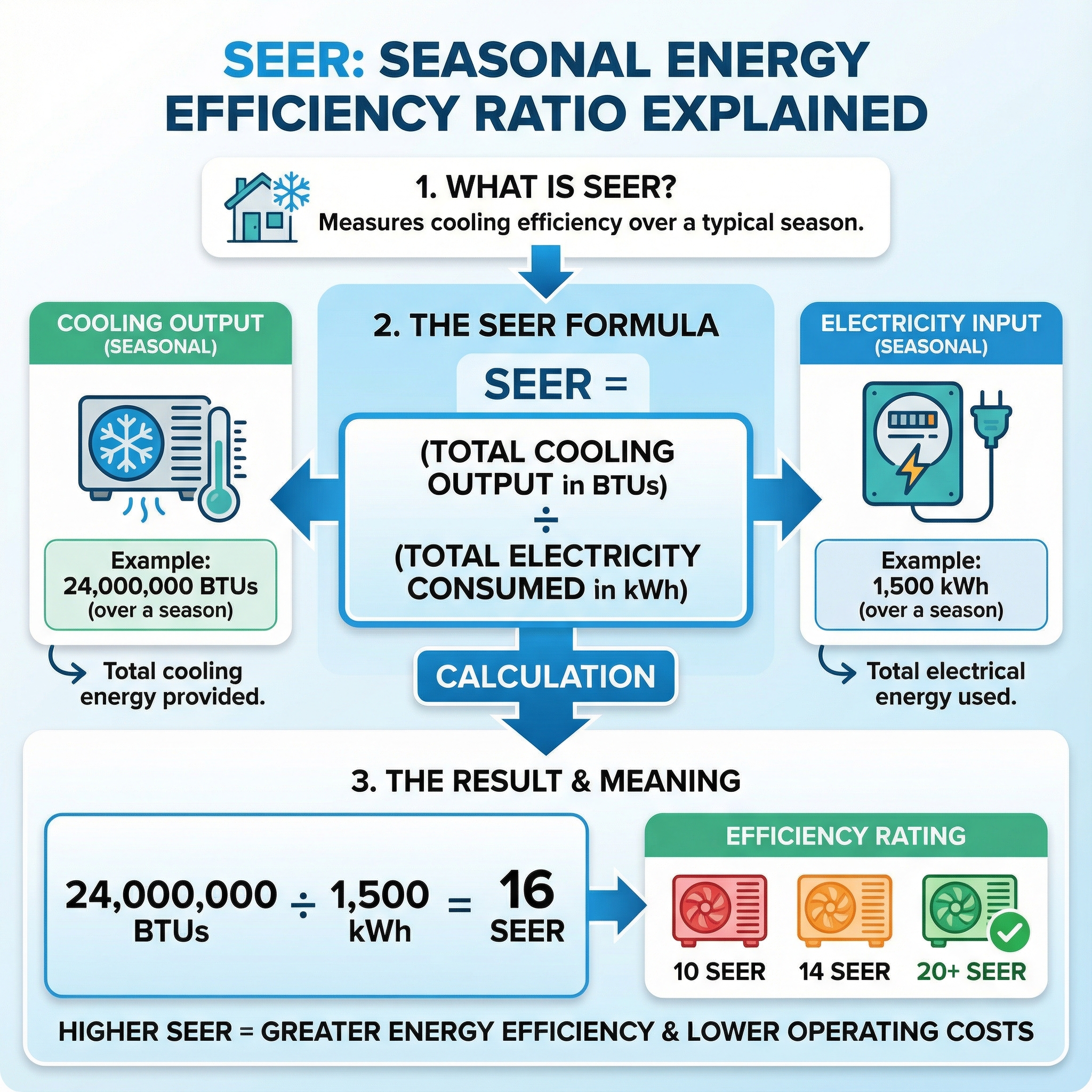
SEER2 is the updated efficiency yardstick for cooling, tested under more realistic duct and static pressure conditions. Think of it like miles per gallon for air conditioners. Regional DOE minimums now apply, so most current Mitsubishi options begin at SEER2 16 or higher. HSPF2 is the heating counterpart and follows similar tier steps.
- Entry 16-18 SEER2: lowest price, solid basics for mild climates.
- Mid 19-23: moderate premium, often trims bills 10-20 percent in typical homes.
- Premium 24-30: higher upfront, strong savings in long cooling seasons.
- Ultra 30+: top price, best for heavy use or rebate stacking.
In our experience at Budget Heating (BudgetHeating.com), mid to premium tiers often repay their price gap within 3 to 7 years in warm regions, while entry tier fits light-use or budget-first projects.
Cost to Install Multi Zone Mitsubishi Systems and Larger Projects
Multi zone and concealed duct Mitsubishi installs scale with complexity. Each added zone means another air handler, longer line sets, branch boxes, and finish work. Concealed ducted heads add framing, short ducts, returns, grilles, and often condensate pumps. Electrical may need new circuits or a subpanel. In our experience, labor drives the upper range because licensed pros must handle nitrogen brazing, pressure testing, deep vacuum, and commissioning to protect performance and warranty. Maintain with routine filter cleaning and a yearly tune up, and avoid DIY on sealed system work.
To estimate running cost: kW ~ BTU/hr / (SEER2 * 1000). Example: 36,000 BTU at SEER2 20 ~ 1.8 kW. At 800 hours and $0.15/kWh, roughly $216 per season, adjusted by zone use.
Running Costs: Energy Use, Efficiency and Expected Annual Savings
We estimate running cost by projecting seasonal kWh, multiplying by your electric rate, then applying the efficiency gain. Higher SEER2 cuts kWh roughly in proportion to the rating. Typical reductions run 30-50 percent. On a $2,400 annual bill, that equals about $720-$1,200 saved each year, or $10,800-$18,000 over 15 years.
Payback equals the price premium divided by yearly savings. If a tier upgrade costs $1,500 and saves $300 per year, payback is 5 years, which fits a 10-15 year horizon.
How to Get an Accurate Quote: What to Ask Installers and Compare
To compare apples to apples, give every bidder the same scope and ask for line items. In our experience at Budget Heating (BudgetHeating.com), accurate quotes include:
- Manual J load calc
- Exact model numbers, AHRI match
- Line set length and any line hide
- Condensate plan, pump if needed
- Electrical scope: disconnect, breaker, wiring
- Permits and inspections
- Commissioning and startup report: airflow, charge, controls, static
- AHRI certificate for rebates
- Warranty details: parts, labor, workmanship, registration
Confirm demo and haul away, pad or stand, thermostat, and cleanup. Get lead time, payment schedule, and change order rules. Proper commissioning protects performance and warranty, and a complete bid prevents costly scope gaps.
Should You Buy a Mitsubishi Mini Split? Final Recommendation and Next Steps
Bottom line: Mitsubishi mini splits are premium, but the value is real. Equipment runs $1,500 to $12,000 and installed projects commonly land around $3,800 to $15,500+, and many homes see 30 to 50 percent HVAC energy savings. We know choosing a system and contractor can feel overwhelming. Our team can size your system, help you compare bids, and line up commissioning and incentives so the lifetime economics pencil out.
- Get a Custom Quote
- Talk to Our Team by phone for live sizing help
- Shop Mitsubishi Mini Splits