




How HVAC Contractors Can Maximize Profits with Budget Heating Wholesale Pricing
In the HVAC trade, profits are built before the install starts: at purchasing and at design. A wholesale model lets contractors buy equipment and parts without retail markups, then reinvest those savings into better proposals and cleaner installs. Think of it like buying wire by the spool instead of by the foot, cost per job drops and control goes up. Pair that with disciplined sizing and AHRI matched selections to cut callbacks, and profitability improves without cutting corners. The playbook is simple: align every job with regional SEER2 and HSPF2 requirements, match efficiency levels to the local climate, and talk total cost of ownership so customers see operating cost reductions, often 15 to 25 percent versus base efficiency. That turns upsells into value, not pressure, and keeps margins healthy while staying code compliant.
- Buy at wholesale to eliminate retail markup and protect margin.
- Use proper load calculations and matched systems to reduce callbacks.
- Offer good, better, best options framed by lifecycle cost and regional rules.
Why Budget Heating Wholesale Pricing Matters for HVAC Contractors
With 30+ years in HVAC and more than 200,000 fulfilled orders behind us, we have seen how wholesale pricing turns into real profit. Skipping retail markups and middlemen typically protects 10 to 20 gross margin points. Consistent, repeatable pricing means estimates match purchase orders, so slippage is limited and change order pressure stays low. Buying matched equipment and accessories in one place also avoids duplicate freight and hidden handling that often inflate retail totals.
Operational efficiency follows when the catalog is broad and in stock. One cart, one shipment, one invoice. Sourcing is consolidated, phone time drops, and crews spend more hours on billable work. It is like having a well organized job trailer, the right part at the right time keeps the schedule intact and eliminates return trips.
- Cash flow control: buy per job, avoid cash tied up in slow moving inventory.
- Fewer risks and callbacks: design and sizing checks, plus startup tech support, reduce mismatches and airflow issues.
- Higher average ticket size: curated system and accessory bundles lift the sale without extra selling time.
- Faster, more accurate estimating: predictable wholesale pricing and online ordering produce repeatable takeoffs and quicker quotes.
- Long term growth: expert guidance, technical resources, and reliable fulfillment support adding crews and expanding service areas.
How Wholesale Pricing Impacts Profit Margins: SEER2, Efficiency, and Upsell Opportunities
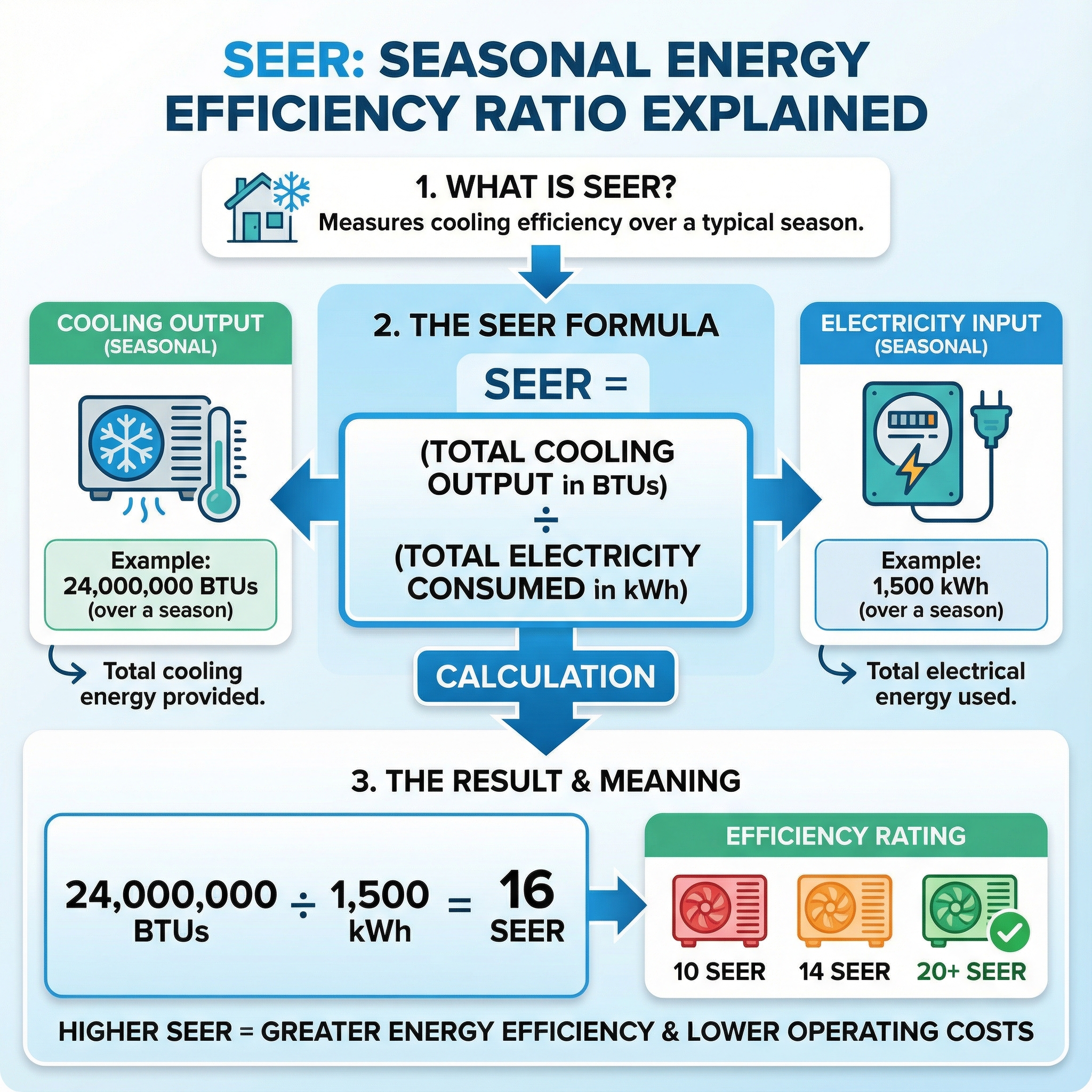
SEER is the primary cooling efficiency measure for central AC and heat pumps, and since Jan 1, 2023 the DOE test uses SEER2, EER2, and HSPF2 with regional minimums that set the compliant baseline. Modern equipment spans a wide range of efficiency tiers.
We use those tiers to build good, better, best packages that meet code in each region and show operating cost differences clearly. Moving from 14 to 16 SEER cuts cooling kWh about 12.5 percent, and 14 to 18 SEER by about 22 percent, creating lifecycle value customers can see on utility bills.
Wholesale cost at each tier sets the margin structure. Positioning a 16 or 18 SEER option against the base tier lets the verified energy savings support a higher selling price, turning efficiency into a practical upsell while staying competitive. For heat pumps, HSPF2 frames winter performance and strengthens the premium case.
Evaluating Suppliers: Minimums, Lead Times, Warranties and Regional Fit
Vetting a wholesaler starts with compliance and climate fit. With the 2023 move to SEER2, EER2 and HSPF2 regional minimums, you need stock that is code compliant for your zone and AHRI matched. Humid markets call for options with strong latent removal; cold climates need heat pumps with solid HSPF2 performance. Think of it like matching tires to terrain. The AIM Act HFC phasedown brings A2L refrigerants like R-32 and R-454B, so confirm A2L-ready inventory, code guidance and the right tools. In our experience at Budget Heating (BudgetHeating.com), contractors who demand AHRI match docs up front see fewer inspection delays and callbacks. A good partner helps you turn regulations into upgrades, like humidity packages or cold climate versions.
- Minimums and lead times: real stock, MOQs, cutoffs, partials.
- Logistics: regional warehouses, jobsite delivery, freight damage process.
- Warranty: factory-authorized handling, advance replacements, clear RMA.
- A2L readiness: compatible coils, line sets, detectors and recovery.
- Value add: submittals, permit packets, start-up checklists, tech support.

Inventory Strategies to Reduce Carrying Costs and Avoid Stockouts
Smart inventory management keeps cash free while jobs stay on schedule. We match stocking levels to real demand, then use proven tactics so contractors still buy at wholesale without tying up shelves.
- Just-in-time: align orders to the install date, keep a small buffer of universal parts, rely on predictable lead times.
- Curated stock: hold only high-velocity SKUs by tonnage, voltage, line-set size, common filters, and heat kits.
- Cross-dock: move units from inbound truck to outbound truck the same day to cut storage days and damage risk.
- Consignment or vendor-managed inventory: set min-max levels, scan outs trigger replenishment, pay on use.
Common Pitfalls When Buying Wholesale (And How to Avoid Them)
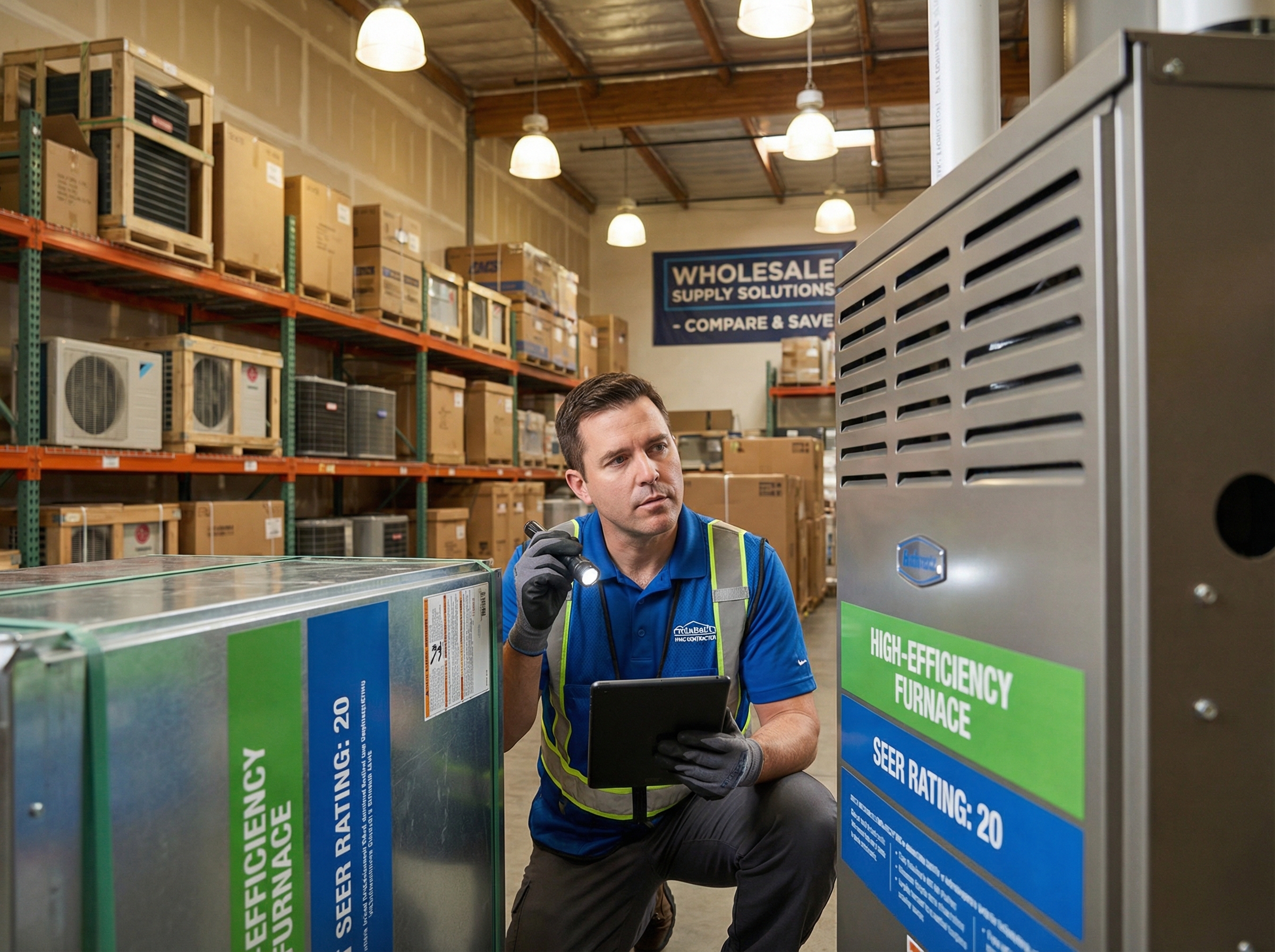
Wholesale buying trips up even seasoned contractors. Two myths persist: you must buy huge volumes to qualify, and you lose personalized support. In our experience, good wholesalers serve shops of every size and provide real design help. Common mistakes include leaning on retail for niche OEM or matched components that wholesalers stock, skipping included services like load calculations, AHRI matchups and submittals, and competing purely on price instead of delivered value such as freight timing, warranty handling and technical guidance. Choosing solely by sticker price is like picking a truck only by MSRP, the fuel and downtime can cost more.
Think in tradeoffs: balance price, speed and risk. Ask for landed cost, lead time and the warranty path before you commit.
- If you need a same day emergency swap with a crane booked, a local counter or temporary rental may be faster.
- If the job requires a vendor of record, factory commissioning or stamped drawings, the manufacturer's rep channel fits better.
- If it is a single household item needed immediately, a nearby retailer can be simpler.
Pricing Strategies: Cost Plus, Tiered Markups and Using Wholesale to Protect Margins
Set your wholesale cost as the floor, then apply cost plus pricing that covers overhead, labor risk, and target profit. Present three tiers so you can bid competitively without sacrificing margin.
- Base: a code minimum package priced aggressively yet still profitable at your wholesale cost floor.
- Mid: higher SEER or SEER2 equipment with a smart thermostat or basic IAQ add ons. Apply a higher markup here.
- Premium: top SEER or SEER2 plus IAQ upgrades and a maintenance plan. Highest gross margin, especially in hot climates where efficiency produces measurable savings.
In our experience at Budget Heating (BudgetHeating.com), contractors close more mid and premium jobs when they bundle labor, accessories, and 1 to 3 year maintenance into the proposal. Think menu: base plate is simple, specials add sides that lift margin. Show monthly operating cost differences clearly over time to justify the step up.
Negotiation Tactics to Secure Better Wholesale Rates
We view it as trading a steady schedule for a better sticker price, without straining cash.
- Tiered volume: commit to quarterly totals with rolling releases. Use options and a 15 to 30 day cancellation window.
- Payment terms: request 2 percent 10 net 30 or early pay credits. Limit deposits to true long lead items.
- Lead times: share a forecast and accept a 1 to 2 week ship window to earn price holds and waived expedite fees.
- Bundling: group condensers, air handlers and accessories to reach discount brackets. Include slow movers with fast movers to keep ratios realistic.
These tactics also cut freight touches and reduce damage, which further improves landed cost.
Bundling, Upgrades and Service Packages to Increase Average Ticket
We bundle good, better, best packages that pair wholesale equipment with IAQ and smart controls, anchored by maintenance. This raises ticket size and creates recurring revenue.
- Good: base system, MERV 11 filter, WiFi thermostat, 1 yr maintenance.
- Better: high efficiency upgrade, UV air cleaner, smart thermostat, 3 yr maintenance.
- Best: inverter system, ERV, humidifier, air quality monitor, 5 yr maintenance.
Action Plan: Steps to Start Saving with Wholesale Heating Pricing
The fastest way to protect margin is simple, buy at true wholesale and run the business with discipline. Pair lower acquisition costs with smart packaging on the sale, align equipment to regional SEER2 and HSPF2 needs, and keep options tiered so you always have a good, better, best path.
Track the right KPIs so every job improves the next one. Measure gross margin by job and month to spot price or labor slippage. Watch average ticket to confirm accessory bundles are landing. Monitor callback rate at 30 days and 12 months to catch install or setup gaps. Manage inventory days on hand by season so cash is not trapped on a shelf. Review close rates by channel and rep to tune quoting and follow up.
You have choices, and the numbers can feel noisy. We make sourcing straightforward at wholesale pricing, then back you with people who have done the work in the field.
- Get a Custom Quote
- Talk to Our Team by phone for U.S. based technical support
- Shop Heat Pumps, Furnaces, and Mini Splits