




How HVAC Shapes Office Productivity, Health and Costs
HVAC is not background equipment. It sets the daily conditions people work in, and it touches budgets and uptime. In offices we service, small shifts in temperature, fresh air and noise are the difference between focused teams and constant complaints. The system influences comfort, indoor air quality, energy spend, equipment lifespan and whether operations stay online during peak loads.
Here is the practical path leaders can use. Temperature guides thermal comfort and cognitive focus. Ventilation dilutes CO2 and VOCs, which lowers drowsiness and headaches. Humidity in the mid range limits dryness and slows pathogen spread. Filtration captures fine particles and allergens. Mechanical noise affects concentration. Maintenance, right sizing and smart controls determine if those benefits actually reach the workspace, hour by hour.
This article outlines the key levers, simple steps facilities can take, how HR can measure impact with comfort surveys and IAQ readings, and how to balance performance with energy costs.
Why HVAC Matters: Links Between Environment, Health and Performance
HVAC shapes how people feel and perform through clear pathways. Thermal comfort steadies focus, while ventilation and indoor air quality dilute CO2 and pollutants that drag on cognition. Humidity control limits pathogen spread and irritation. Filtration cuts fine particles. Airflow and acoustics matter too, reducing drafts and noise that distract. Reliability keeps work from stalling. In our field experience, tuned controls and routine maintenance are foundational, otherwise energy use climbs, comfort becomes uneven and exposure rises. Regular upkeep also prolongs equipment life and reduces sudden failures that disrupt work. Targeted upgrades in these areas often deliver outsized gains in health, fewer absences and higher productivity.
What the Research Shows: Temperature, CO2, Humidity and Cognitive Performance
When indoor conditions drift, people do not just feel uncomfortable, they think slower. In our experience at Budget Heating (BudgetHeating.com), we see the same pattern across offices, classrooms and homes: temperature, CO2 and humidity track directly with decision quality and perceived productivity.
Here is the short version:
- Temperature: Thermal comfort aligns with better focus. Typical comfort bands sit around 20-24 C (68-75 F). Outside that band, complaints rise and tasks take longer.
- CO2: Insufficient ventilation lets CO2 and indoor pollutants build. As occupied spaces approach about 800 to 1,000 ppm, testing often shows measurable drops in reasoning, response time and vigilance.
- Humidity: Keeping relative humidity near 40-60% reduces throat and eye irritation, limits allergen activity and can cut how long some pathogens persist, which supports day to day wellbeing and attendance.
Think of the brain like a laptop: too warm air, stale air with elevated CO2, or air that is too dry or too damp can make it throttle back. The practical takeaway is simple: ventilate enough to keep CO2 below roughly 800 ppm during peak use, hold temperature in the comfort band, and manage RH near 40-60%. Getting those three right tends to reduce headaches and fatigue, smooth collaboration and lift output, all without changing staffing or schedules.

Thermal Comfort & Controls: Keeping Temperatures Stable to Improve Focus
Steady comfort starts with correct sizing, smart controls, zoning, and balanced airflow. Require a professional load calculation, Manual J for homes and commercial equivalents for offices, rather than sizing by square footage. Oversized units short cycle, leave humidity high, and create temperature swings. Staged or variable speed compressors and fans run longer at lower output, which smooths temperatures, cuts noise, and tightens humidity control.
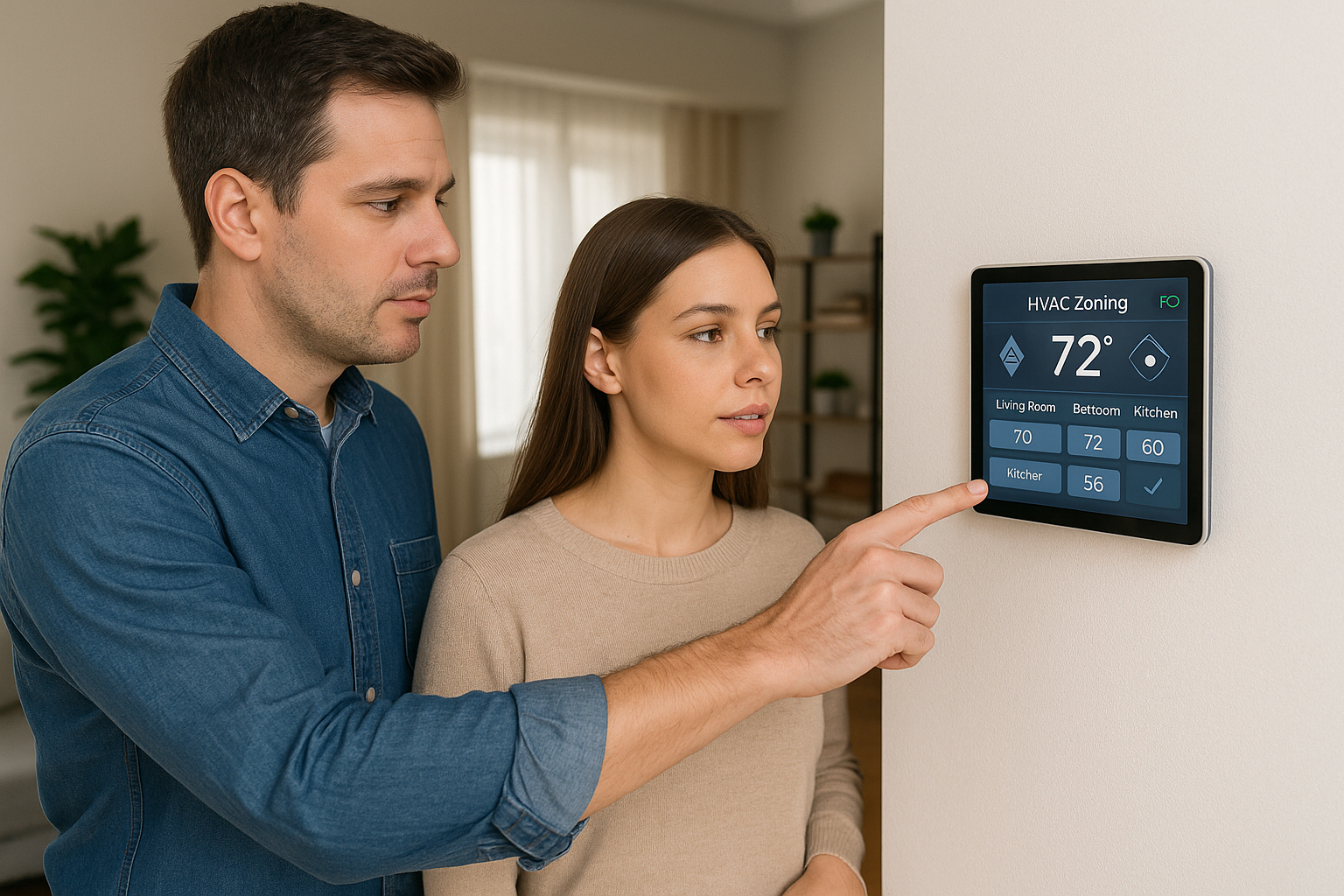
Use programmable or smart thermostats with clear schedules, and calibrate sensors annually so setpoints match reality. Zone spaces with different loads, like conference rooms and sun facing offices, so each area gets what it needs without overheating neighbors. Commission the system with room by room testing, adjusting, and balancing to remove hot and cold spots. In our experience at Budget Heating (BudgetHeating.com), this combination is what keeps multi level offices consistent.
- Do not close supply vents, it raises duct static pressure and reduces ventilation.
- Space heaters are a poor substitute for central control.
- Never guess equipment size, insist on a load calculation.

Maintenance, Monitoring and Filtration: Preventing Sick Building Symptoms
A stable, healthy building starts with a disciplined maintenance routine, supported by simple monitoring that keeps small issues from snowballing. In our field work, the most reliable results come from a structured plan rather than a fix it when it breaks mindset.
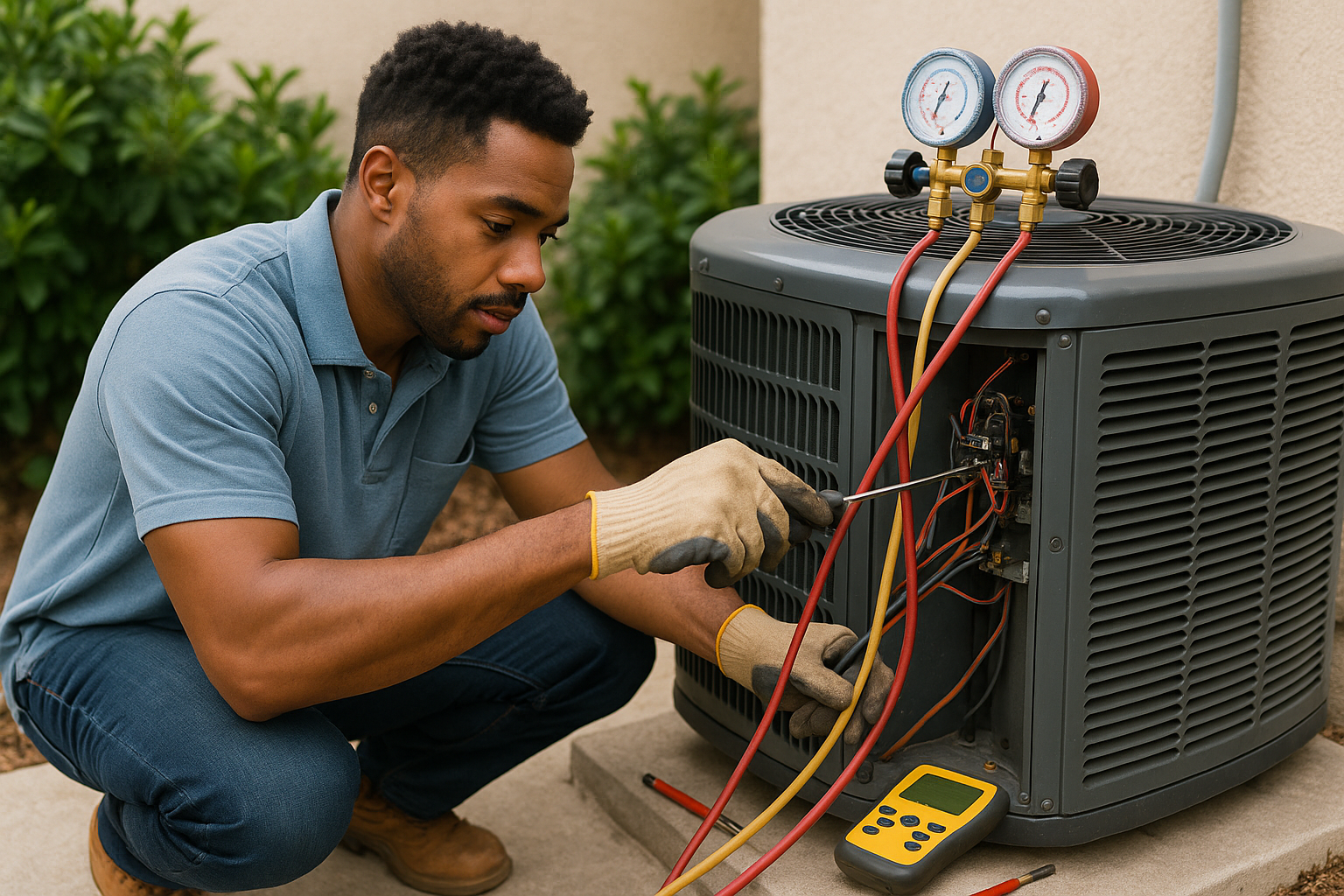
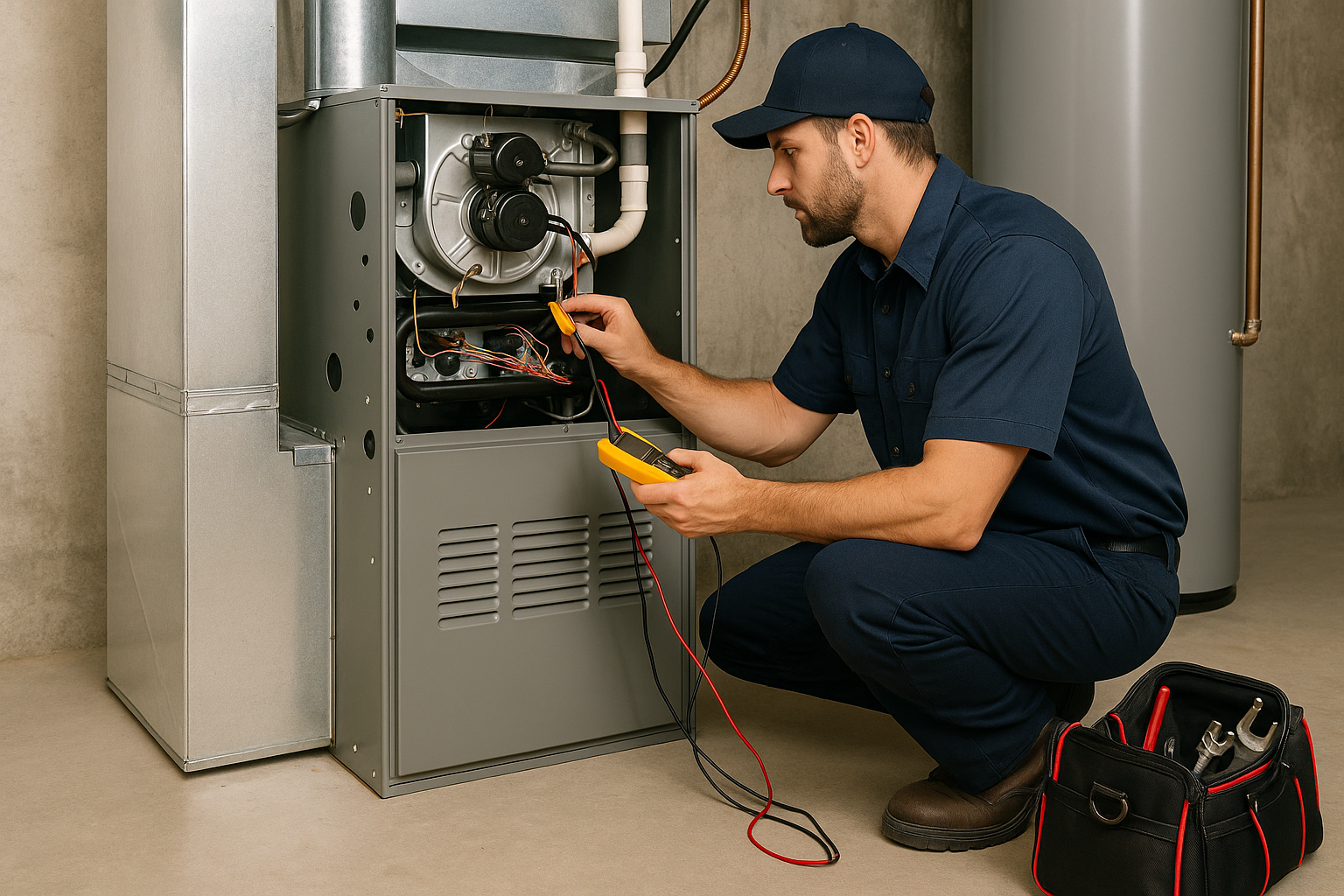
- Schedule at least biannual tune ups in spring and fall: inspect and clean filters, coils, blower wheel and drain pan, clear condensate lines, and test safety controls and electrical connections.
- Check filters monthly and replace every 60 to 90 days, or sooner if visibly dirty. Use the highest compatible MERV, and confirm static pressure limits with a contractor.
- Link ventilation to occupancy with timers or CO2 demand controlled ventilation, set alerts for filter change and abnormal temperature, relative humidity or IAQ readings, and use smart controls to avoid short cycling.
- Adopt condition based or predictive strategies where possible. These increase mean time between failures and are tied to stronger profitability than reactive approaches.
The financial impact is measurable. Preventive maintenance typically saves about 8 to 12 percent versus reactive. Predictive adds another 8 to 12 percent for a combined 16 to 24 percent. Full reliability centered programs have produced roughly 30 to 40 percent savings compared with reactive strategies. Consistent care delivers steadier temperatures, cleaner air and fewer surprises.
Indoor Air Quality & Filtration: What Boosts Focus, and When They Backfire
Use the highest MERV your system safely tolerates, often MERV 11 to 13, to cut particles and infection risk. Add CO2 and PM2.5 monitors; target CO2 below about 800 to 1,000 ppm and PM2.5 as low as practical. Bring in outdoor air with mechanical ventilation or an ERV/HRV. Cutting ventilation to save energy harms cognition; use demand controlled ventilation (CO2 based) to balance IAQ and cost. Tradeoffs: high MERV can raise static pressure, so upgrade the fan or add portable HEPA units; in wildfire smoke, reduce outdoor air briefly and recirculate through high MERV plus portables; in humid climates, use ERV/HRV or dedicated dehumidification. Air cleaning helps, but never replaces source control and right sized ventilation. In our field work, sick-building symptoms drop.
Humidity Control: Why 40-60% Relative Humidity Matters and How to Hold It
We target 40-60% indoor relative humidity because it reduces respiratory irritation, lowers allergen activity, and limits pathogen persistence. Staying in this band keeps air comfortable without drying out your home or letting moisture run wild.
By climate, the approach shifts. Cold, dry areas: use controlled humidification and a tight building envelope to retain moisture. Hot, humid areas: focus on strong latent dehumidification with equipment that removes moisture well, variable-speed airflow helps, and dedicated whole-building dehumidifiers where needed. In every case, keep condensate drains and pans clear and sloped, and inspect for biological growth to prevent microbial amplification.
Noise, Drafts and Airflow: When HVAC Distracts Instead of Supports
In our experience, excessive HVAC noise and vibration pull focus, even when the thermostat reads fine. Strong drafts and hot or cold pockets from unbalanced airflow make people shift seats, not ideas. To cut distraction, choose quieter indoor units, isolate vibration mounts, place outdoor equipment away from work areas, use lined plenums, and balance ducts and registers. Treat airflow like lighting, even distribution matters for comfortable, productive work.
Energy Efficiency vs Comfort: Choosing Equipment, SEER and Envelope Improvements
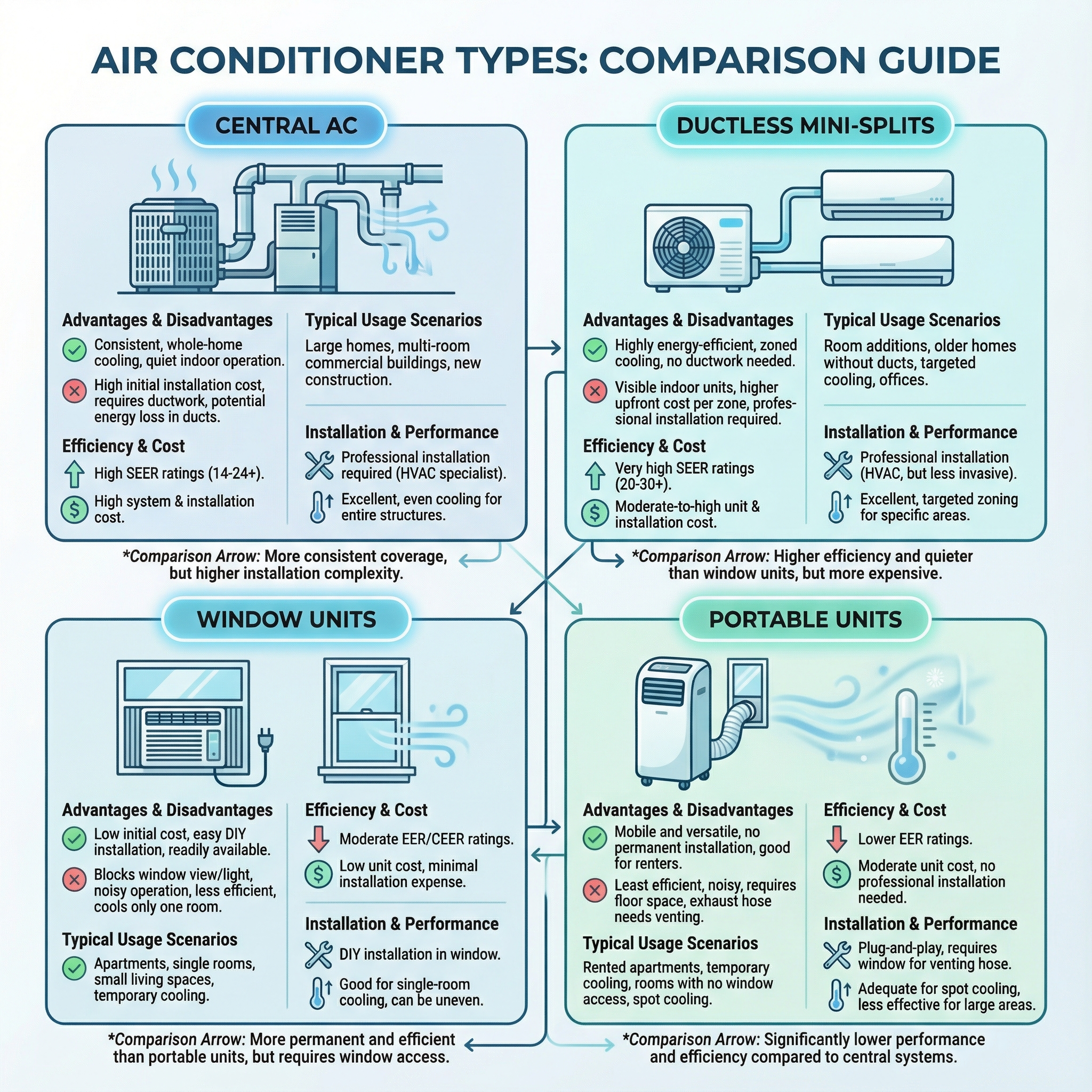
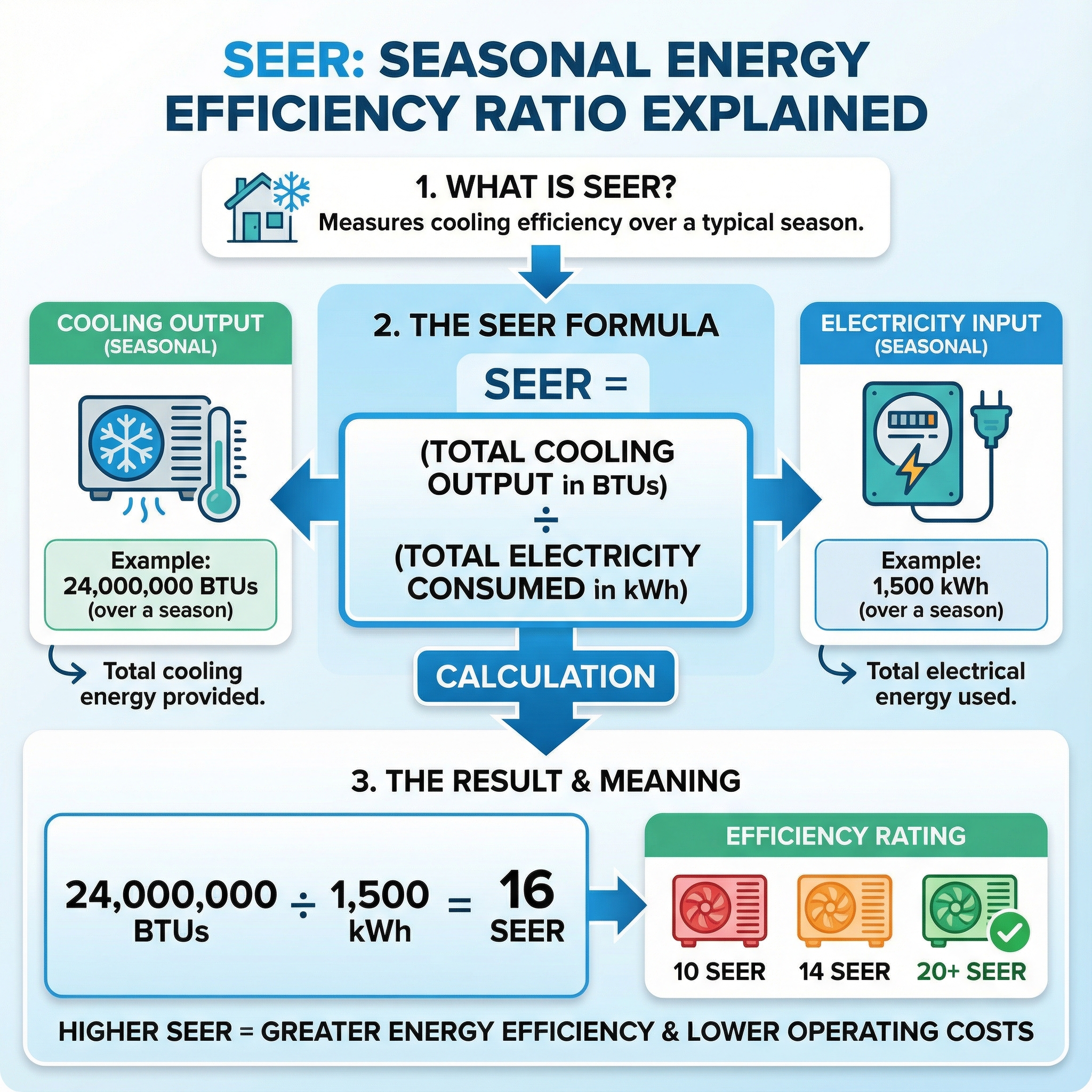
SEER measures seasonal cooling efficiency. SEER2 in 2023-2024 raised minimums and retested models. Northern splits minimum 14 SEER; SE or SW vary by capacity. We find moving from SEER 10 to 16 cuts AC energy use, with SEER2 units about 8-10% better than baselines. Comfort depends on correct sizing, tight ducts, controls and commissioning. For upgrades, choose variable-speed equipment with air sealing and insulation. Quick wins: duct sealing, filters, smart thermostats, CO2 monitors. For IAQ with less energy, use demand-control ventilation or energy recovery.
Prioritize HVAC Improvements: Practical Next Steps for Facilities and HR Leaders
Prioritize the big levers first: stable temperature control, adequate ventilation, proper filtration, humidity management and a scheduled maintenance program. Do a quick audit now: check filters, outdoor air operation, humidity, noisy units and visible dust. When engaging contractors, request load calculations, airflow and static pressure reports, the highest compatible MERV, and a commissioning checklist. Measure impact with CO2 and PM2.5, temperature and RH stability, maintenance costs and unscheduled downtime, sick day rates and short comfort surveys. Put feedback loops, service contracts and condition based monitoring in place.
You are balancing budgets, comfort and liability in real buildings. We have 30+ years of hands on HVAC experience and can turn this checklist into a right sized, warrantied solution at wholesale pricing.
- Get a Custom Quote
- Talk to Our Team, U.S. based phone support available
- Shop Commercial HVAC
- Ask about free shipping on most orders and financing with Affirm