




Why Greenhouse HVAC Matters for Year Round Growing (on a Budget)
Greenhouse HVAC has one job: keep a consistent, crop friendly climate with the least energy and equipment strain. Done right, it improves plant health, accelerates growth cycles, and stabilizes yields. Year round growing needs precise, economical control of temperature, humidity, and airflow so crops stay healthy, equipment lasts longer, and energy bills stay manageable. In our field experience, the biggest wins come from taming swings. Think of it like cruise control for your greenhouse, smooth adjustments that avoid the costly stop and go.
This guide focuses on practical, prioritized steps that stretch a budget. You will learn how to size needs through a quick assessment, cut loads with passive upgrades, choose localized and active heating options, plan ventilation and cooling, rein in humidity, pick simple controls that pay back, retrofit without tearing everything apart, maintain safely, weigh tradeoffs clearly, and sketch simple budgets. The purpose is straightforward: deliver a stable environment first, then add equipment only where it earns its keep.
How to Assess Your Greenhouse: Size, Climate Zone, Crops and Heat-Load Needs
Before buying equipment, define what you are growing and how far into the year you want to extend the season. A clear plan keeps systems sized correctly and prevents costly missteps.
- Define goals and crops: list target crops with their temperature and humidity ranges by growth stage. Decide whether you need true year-round production or shoulder-season extension. Set budget limits for upfront versus operating costs.
- Assess site and structure: record local climate details, including winter lows, summer highs, humidity, prevailing winds and sun access. Inspect glazing, framing and air leaks. Consider windbreaks and confirm solar exposure.
- Get proper load calculations: ask for greenhouse-specific heating, cooling and latent-load calculations based on glazing, infiltration and local climate, and request a written sizing report.
Right-size active systems to the calculated heat loss and heat gain, not to rules of thumb. Size heaters and fans to the load and pair them with basic controls such as thermostats, humidistats and interlocks. Oversizing causes short cycling, poor dehumidification and wasted energy, while undersizing risks crop stress. It is like choosing a winter coat: too big or too small both miss the mark, the right fit keeps conditions steady and efficient.
Passive, Low Cost Heating: Insulation, Thermal Mass and Passive Solar Strategies
Start with load reduction: tighten the building envelope so your heater runs less. Air seal cracks, add perimeter insulation, upgrade to double glazing or double poly, and use thermal or energy curtains. These low cost steps cut infiltration and radiant loss before you even think about equipment sizing. Air sealing and perimeter insulation alone typically save about 5 to 15 percent with a simple 1 to 2 year payback.
Capture free heat where you can. Site openings for winter sun and use windbreaks to tame cold gusts. Double glazing or inflated poly slows heat loss while admitting light. Add inexpensive thermal mass, such as water barrels or stone, where it sees sun or steady indoor air. Thermal mass is like a rechargeable heat battery, it absorbs warmth when space temperatures rise and releases it back as the room cools, which smooths swings and reduces runtime.
At night, close thermal curtains tightly to the frame. They reduce night time heat loss and can also temper daytime gains, with typical savings around 20 to 60 percent and a 1 to 3 year payback. In our experience at Budget Heating (BudgetHeating.com), load reduction like this often allows a smaller, less expensive system and lower monthly bills.
Active Heating Options Compared: Electric, Propane, Wood, Hydronic and Infrared
Choosing a heater starts with fuel tradeoffs: compare local electric and propane prices, availability, venting feasibility, how much zoning you need, and whether you want redundancy during outages. Installation and service access also matter.
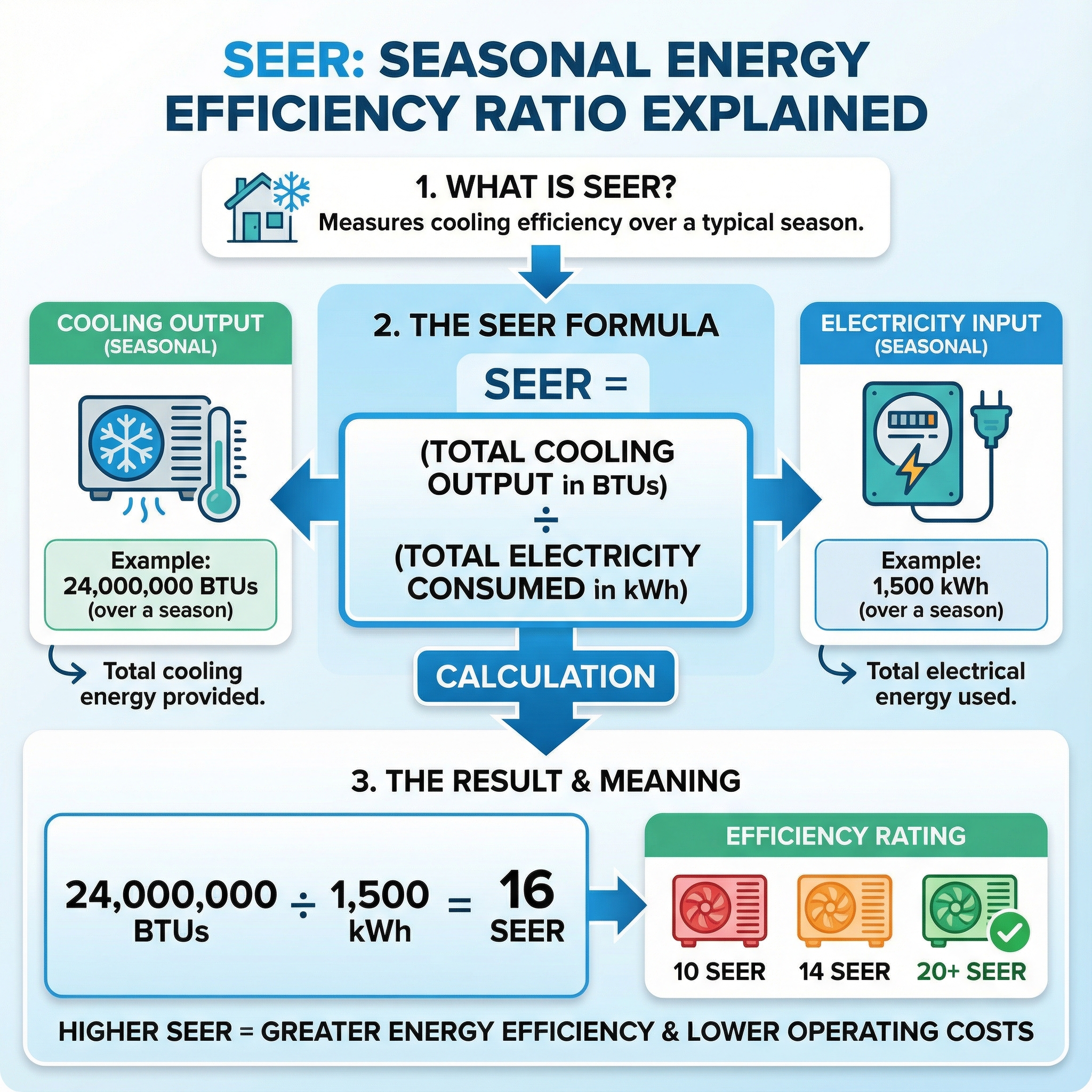
Electric unit heaters are easy to install, though operating cost depends on rates. Propane unit heaters provide strong output but need proper venting. Hydronic boilers with hot water deliver even heat and simple multi-zone control. Infrared warms surfaces for spot or high-bay areas. Wood can be low cost per BTU, but adds labor, storage, and chimney rules. Efficiency minimums keep rising with SEER2, so newer high efficiency gear often wins on lifecycle cost. Upgrading to condensing unit heaters or boilers can save about 10 to 30 percent with a 2 to 5 year payback in many greenhouse-style spaces. In our experience at Budget Heating (BudgetHeating.com), pick corrosion-resistant components sized to climate and glazing, provide service access, choose controls your team can run, and match dehumidifier capacity to plant density.
Simple HVAC Controls & Zoning: Thermostats, Timers, Sensors and Smart Scheduling
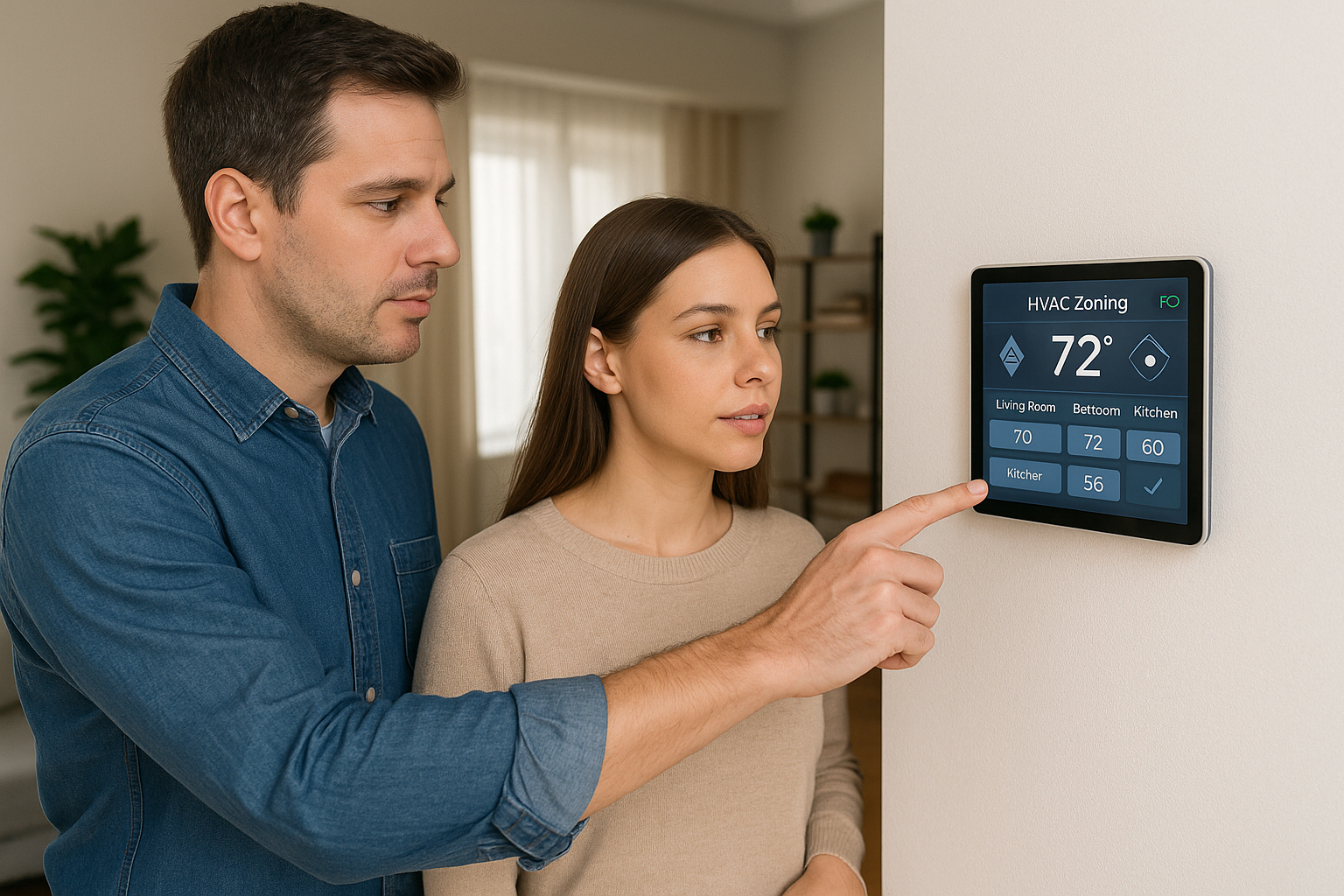
Basic sensors and programmable controllers set day and night setpoints, stage heaters and fans, and avoid conditioning empty or low-value space. Use thermostats or differential controllers with narrow deadbands, staged outputs, and interlocks so heating and venting never run together. Zone what you heat with thermal curtains or temporary partitions, keeping propagation areas warmer without heating the whole room. Integrate heat, cooling, and dehumidifiers under one controller, and add alarms for out-of-range conditions. In our experience at Budget Heating (BudgetHeating.com), smart scheduling and setbacks trim about 5-15% energy with a 3-7 year payback.

Localized Heating: Heat Mats, Seed Heat Pads and Root Zone Strategies
Localized root zone heating warms plants where they need it most, the roots, so you can run cooler air without stalling growth. In our greenhouse work, heat mats and seed heat pads under propagation trays, benches, or gutter rails hold the media at a set temperature while the general space stays a few degrees lower. This targeted approach typically cuts heating energy about 15 to 30 percent with a 1 to 4 year payback, because you are not pushing heat into all the air volume.
To amplify the effect, shrink the conditioned zone. Use thermal curtains at night, and temporary poly partitions to isolate germination benches or a starter bay, reducing the volume you need to keep warm. Think of it like warming your feet with a small heater instead of cranking the whole house, the roots stay active and the canopy tolerates cooler air.


Ventilation & Cooling: Fans, Vents and Low Cost Evaporative Solutions
We separate natural ventilation, driven by wind and buoyancy through openings, from mechanical systems powered by fans and compressors. Natural strategies remove heat and humidity without heavy energy input, while mechanical components provide predictable airflow and safety coverage when weather does not cooperate.
- Design ventilation: provide significant operable area, about 20 percent openable via roll up sides, ridge vents and endwall doors. Pair that with right sized exhaust and intake fans that are thermostatically controlled.
- Prioritize passive and hybrid cooling: use shade cloth at 30 to 60 percent density, add evaporative pads or walls in dry climates, and include night venting and climate batteries. Treat compressor cooling as the last step, with mechanical backup kept for extremes.
- Evaporative basics: as water evaporates it absorbs heat from the air, which is most effective in dry conditions. High pressure fogging, integrated carefully, can deliver about 10 to 20 percent operational savings with typical 3 to 8 year paybacks.
- Energy impacts: natural ventilation can displace powered ventilation energy with major percent savings, though paybacks vary by climate. Upgrading circulation fans to high efficiency models can reduce fan energy by roughly 20 to 35 percent, with 8 to 12 year paybacks.
Stage controls so vents and circulation fans run first, add evaporative tools as temperatures rise, and bring on compressor cooling only when necessary.
Humidity Management & Disease Prevention: Practical Steps for Year Round Production
Humidity is as critical as temperature. Balanced ventilation, targeted dehumidification, and steady air circulation cut mold and mildew pressure and prevent crop loss, often delivering more benefit than small thermostat tweaks. Manage vapor pressure deficit: keep air slightly drier so leaves do not feel chilled, which reduces disease risk and helps avoid unnecessary heating during damp periods.
- Coordinate systems: schedule ventilation, circulation fans, and heating together, and integrate evaporative equipment thoughtfully. Use dedicated dehumidifiers or a ventilation plus heat sequence when moisture spikes.
- Use timed ventilation to pull moisture, then mix air with fans to even out RH. Add dehumidification only as needed to hold healthy VPD ranges.
- Place reliable temperature and RH sensors at canopy height, shielded from sun and drafts. Recalibrate seasonally and test alarms so controls act before problems appear.
Retrofitting Tips, Safety & Honest Tradeoffs: What Won’t Work and Better Alternatives
Successful retrofits start with clear priorities: protect crops, control costs and keep the system serviceable. In our experience, the following steps avoid costly misfires.
- Plan modest redundancy: stage heaters or add a small backup heat source, and provide backup power for critical fans and controls to cut crop loss risk.
- Choose durable, efficient components: corrosion resistant cabinets, tight sealing louvers and high efficiency fan motors lower lifecycle cost.
- Installation quality assurance: verify equipment locations and clearances, balance fans, check pad wetting uniformity, confirm airflow, then test control sequences and any hydronic details before handoff.
- Safety and permits: greenhouses may be treated as agricultural for some energy codes, but combustion venting, gas piping, electrical protection and backflow prevention still apply. Pull permits and document compliance.
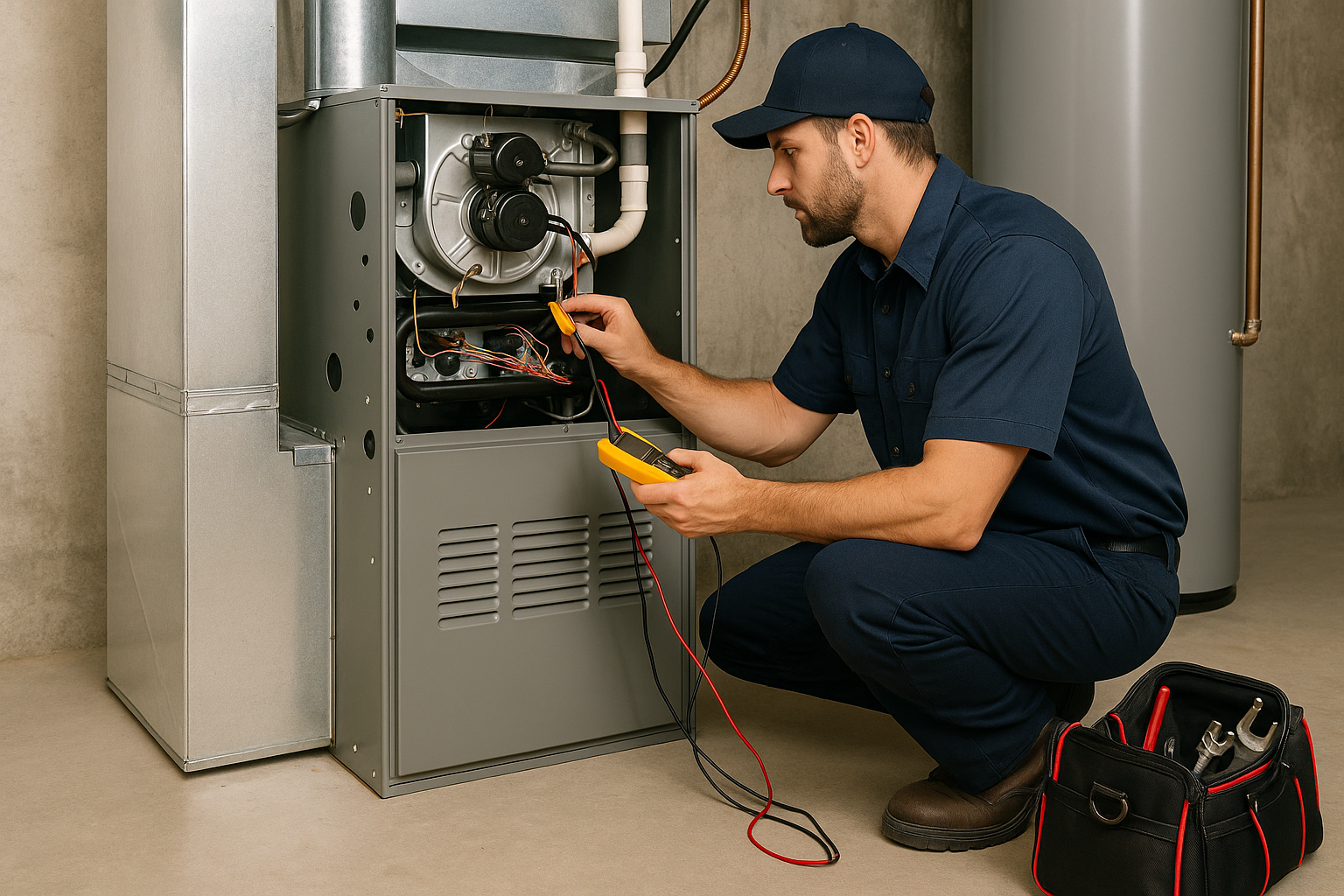
- Maintenance plan: clean fans, louvers and pads, service gas heaters or boilers annually, flush and treat hydronic loops, recalibrate sensors seasonally and check filters monthly.
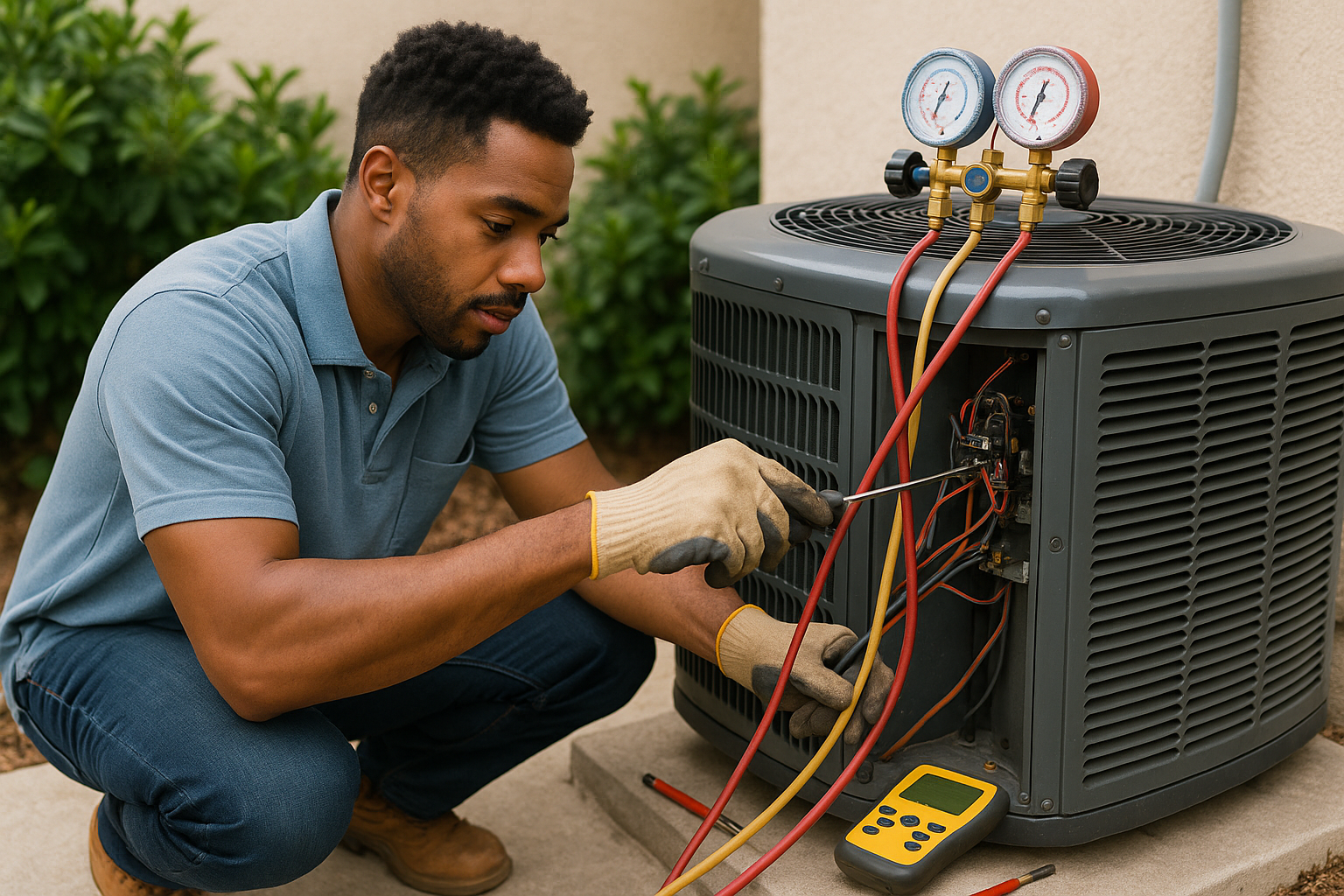
- Work boundaries: owners can handle housekeeping, but refrigerant, gas line, high voltage and combustion work require licensed technicians. Use CO monitoring on gas appliances.
- Budgeting and bids: get 2 to 3 bids that include installed cost, estimated annual operating cost and maintenance, and ask about high efficiency options and local rebates.
- Leverage incentives: many utilities and agricultural programs rebate efficient HVAC, fans and controls, which can materially lower upfront cost.
Honest tradeoffs and better alternatives:
- Bigger equipment is not a shortcut to stability. Oversizing causes short cycling and poor humidity control. Right size and use staging.
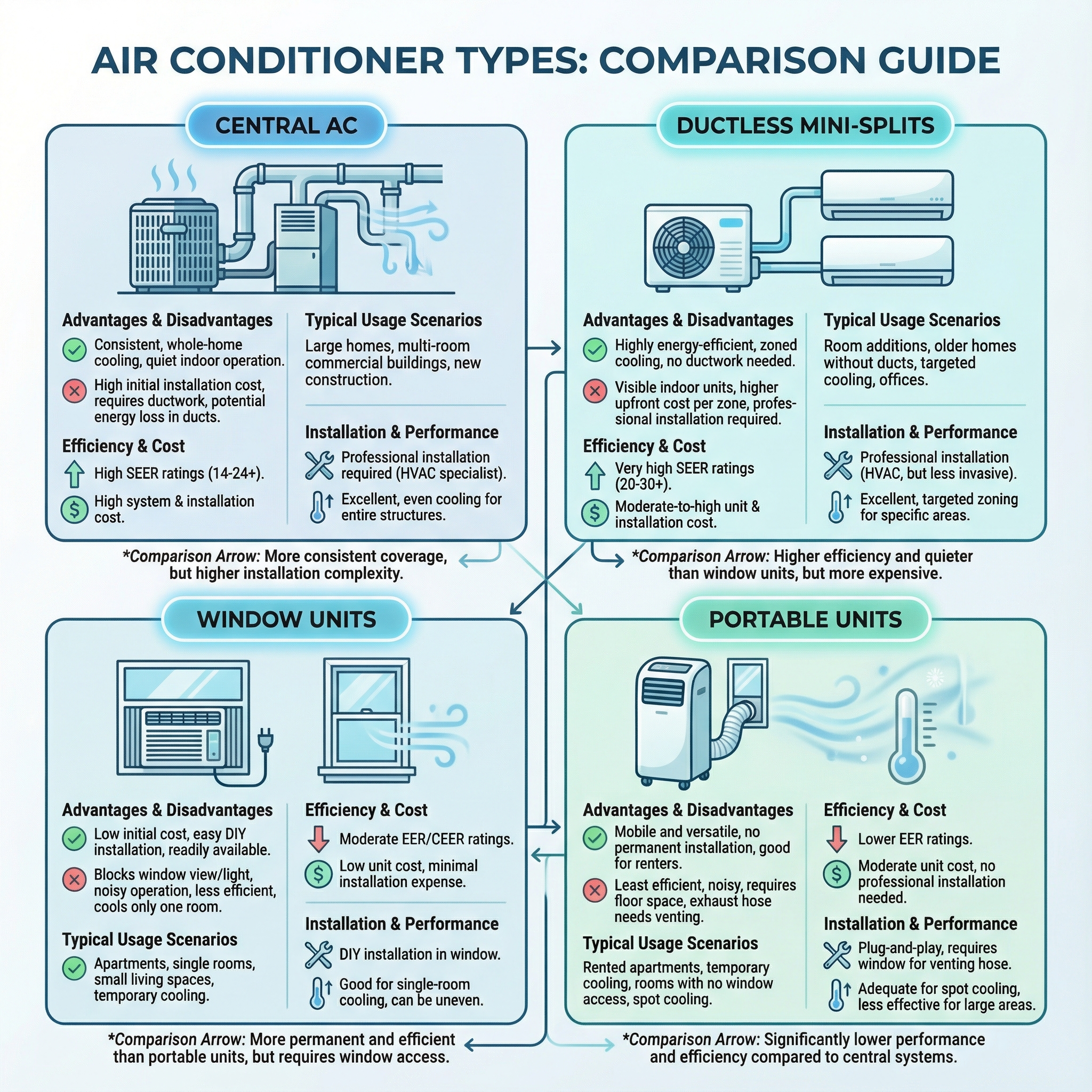
- AC alone will not manage greenhouse moisture. Provide sufficient ventilation capacity and select equipment with strong dehumidification capability.
- One sensor misses microclimates. Use multiple or aspirated sensors with data logging to capture stratification.
- Cheapest fans often cost more over time. Select efficient motors and corrosion resistant materials to extend life and reduce energy spend.
Putting It Together: A Practical, Budget Conscious Plan for Year Round Growing
Year round growing on a budget comes from lowering loads, then aligning heat and cooling to your climate and crops. Follow this order: assess, tighten the envelope, add right-sized heat, ventilation and controls, then layer thermal screens, high efficiency upgrades and backup as budget allows. Use circulation or destratification fans to even temps and CO2 so you can run tighter setpoints, and start modular, zone by zone. Protect yield with routine cleaning, calibration and seasonal service. Our team has 30+ years and 200,000+ orders, with wholesale pricing.
- Get a Custom Quote
- Talk to Our Team by phone for fast sizing and options
- Shop Greenhouse Heating, Ventilation and Fans