




Do AC Units Work Harder or Longer to Cool Your Home?
For most homes, an AC's response to higher heat or humidity is best understood as runtime, not minute-by-minute effort. Think marathon, not sprint: hotter afternoons extend runtime to pull indoor temperature and moisture back to setpoint.
What you notice depends mainly on sizing, outdoor climate and humidity, the home's insulation and air sealing, ductwork design and leakage, and the type of equipment.
Conventional single-stage central air conditioners and heat pumps behave like on-off switches. Whenever the compressor is on, they deliver roughly the same cooling output and draw roughly the same power. As the load rises, they do not push harder, they simply stay on longer to meet the demand and remove more humidity.
Variable-speed and multi-stage systems can modulate capacity and fan speed. Under peak load they ramp up, which can look like working harder, and under mild conditions they cruise at low speed for longer, often improving comfort and dehumidification.
How Air Conditioners Remove Heat and Moisture (The Basics Every Homeowner Should Know)
Your air conditioner has two jobs. First, it removes sensible heat, which simply lowers the air temperature. Second, it removes latent heat by wringing out moisture, the dehumidification that makes a room feel dry and crisp. The indoor coil runs cold, so warm return air gives up heat and its excess moisture condenses on the coil, like water beading on a cold glass on a summer day.
Humidity matters because it adds a latent load. In humid climates the system must remove both heat and moisture, so it often runs longer and can feel like it is working harder, even if instantaneous power draw does not change. Poor dehumidification from short cycling, oversizing, too-high airflow, or running the blower continuously can leave the home cool but clammy and increase runtime without improving comfort.
A simple check of performance is delta T, the temperature difference between return and supply air after the system has been running steadily. A typical rule of thumb is about 15-20 F. Much lower or higher can point to airflow problems, refrigerant issues, or a dirty or iced coil, all of which reduce comfort and efficiency.
�Working Harder' vs �Working Longer': What's the Real Difference?
Homeowners often think a long run means the system is working harder. With single-stage systems the compressor runs at essentially the same output whenever it is on. A bigger load just means longer runtime to remove heat and moisture.
Long, steady cycles usually deliver better comfort. They mix air, hold temperature, and give the coil time to dehumidify. Avoiding rapid on off starts cuts wasted energy and wear. Think highway cruising instead of stop and go.
Variable-speed and multi-stage systems change output to match the load. In mild weather they idle at low speed for longer, improving dehumidification. When conditions spike, they ramp up briefly. In our experience at Budget Heating (BudgetHeating.com), this modulation keeps rooms even and noise down.
How Thermostat Settings and Controls Affect Runtime and Humidity
Thermostat choices shape how long the system runs and how much moisture it removes. Fan mode matters: in humid weather use Auto so the blower stops between cycles, allowing condensate to drain instead of being blown back into the airstream. Fan On can re-evaporate water on the coil, cutting dehumidification and raising indoor RH.
Setpoint strategy also guides runtime. Pick a realistic cooling target, commonly 74 to 78 F. Dropping the setpoint far lower will not cool faster, it just forces longer cycles and can overshoot comfort while increasing energy use.
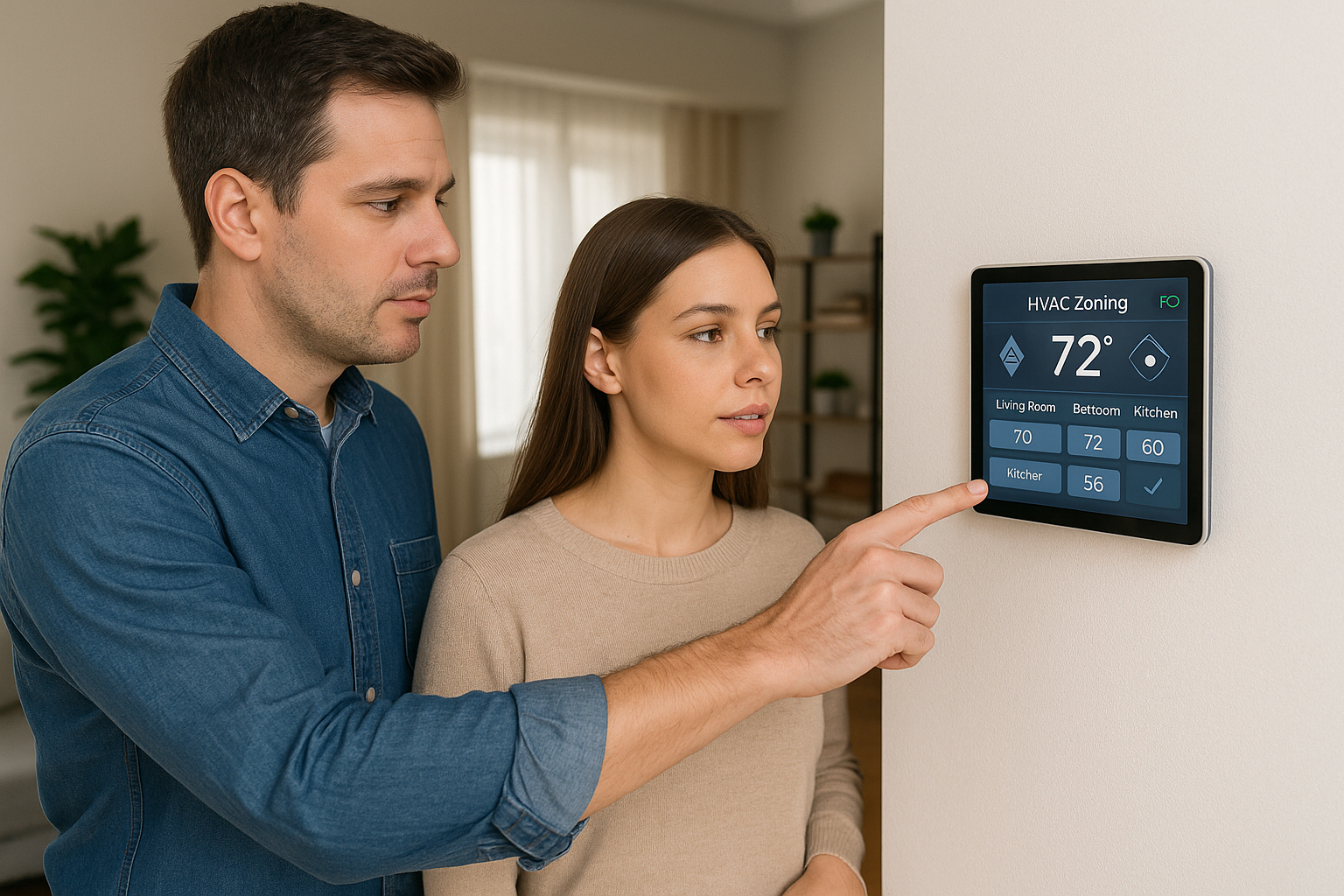
Smart thermostats add visibility. Many report runtime, cycles per hour, and indoor humidity trends over time. Compare these with weather to judge whether the unit is handling sensible and latent load appropriately.
Common Myths and Mistakes About AC Runtime and Performance
Air conditioners work best like a steady jog, not a sprint. Misunderstanding runtime leads to wasted energy and poor comfort. Here are the big myths to avoid:
- Myth: Long runtimes mean failure. Reality: Long, steady cycles are normal and improve dehumidification and efficiency.
- Myth: Short, fast cycles are more efficient. Reality: Short cycling wastes energy and leaves indoor air clammy.
- Myth: If the home does not cool quickly something is wrong. Reality: In extreme heat, correctly sized systems may run most of the day to hold setpoint.
- Mistake: Choosing contractors by tonnage or brand alone. Insist on a Manual J load calculation and a duct assessment, not rules of thumb.
Key Factors That Make an AC Work Harder or Run Longer
AC runtime is about matching equipment to the load. Undersized systems run nearly nonstop on hot days and still miss the setpoint. Oversized systems hit temperature fast and short cycle, which weakens humidity control and adds wear. Think of the house like a cooler: tighter and thicker means less work.
Insulation, air sealing, window shading, and well designed, insulated ducts cut heat gain and keep airflow efficient. Leaks or poor balancing in the ducts force longer runtimes and uneven rooms.
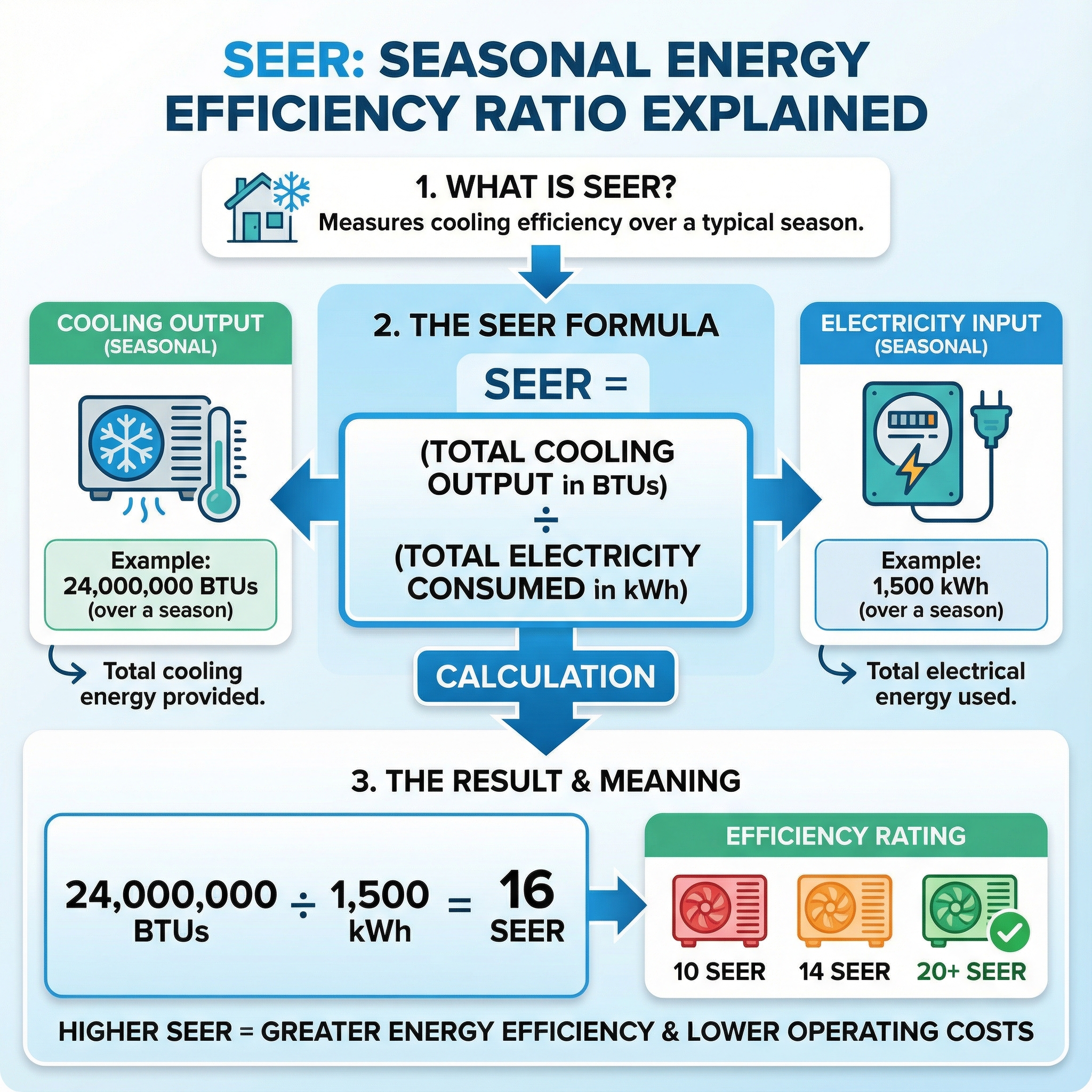
Climate sets the baseline. Hot humid regions carry heavy moisture and temperature loads. Hot dry areas have little moisture to remove, and evaporative cooling can work. Mild regions see smaller seasonal loads. Recent SEER2 test procedures, regional minimum efficiencies, and required load calculations are pushing better right sizing and selection. In our experience at Budget Heating (BudgetHeating.com), those shifts curb runtime complaints when the ducts are right. Watch the signals: short cycles under about 10 minutes with cool but clammy air often mean oversizing, high airflow, or control or charge issues. Nearly continuous run without reaching setpoint points to undersizing, heavy gains, low refrigerant, airflow problems, or duct leakage.
What Temperature Is Best for AC? Practical Setpoints and Humidity Targets
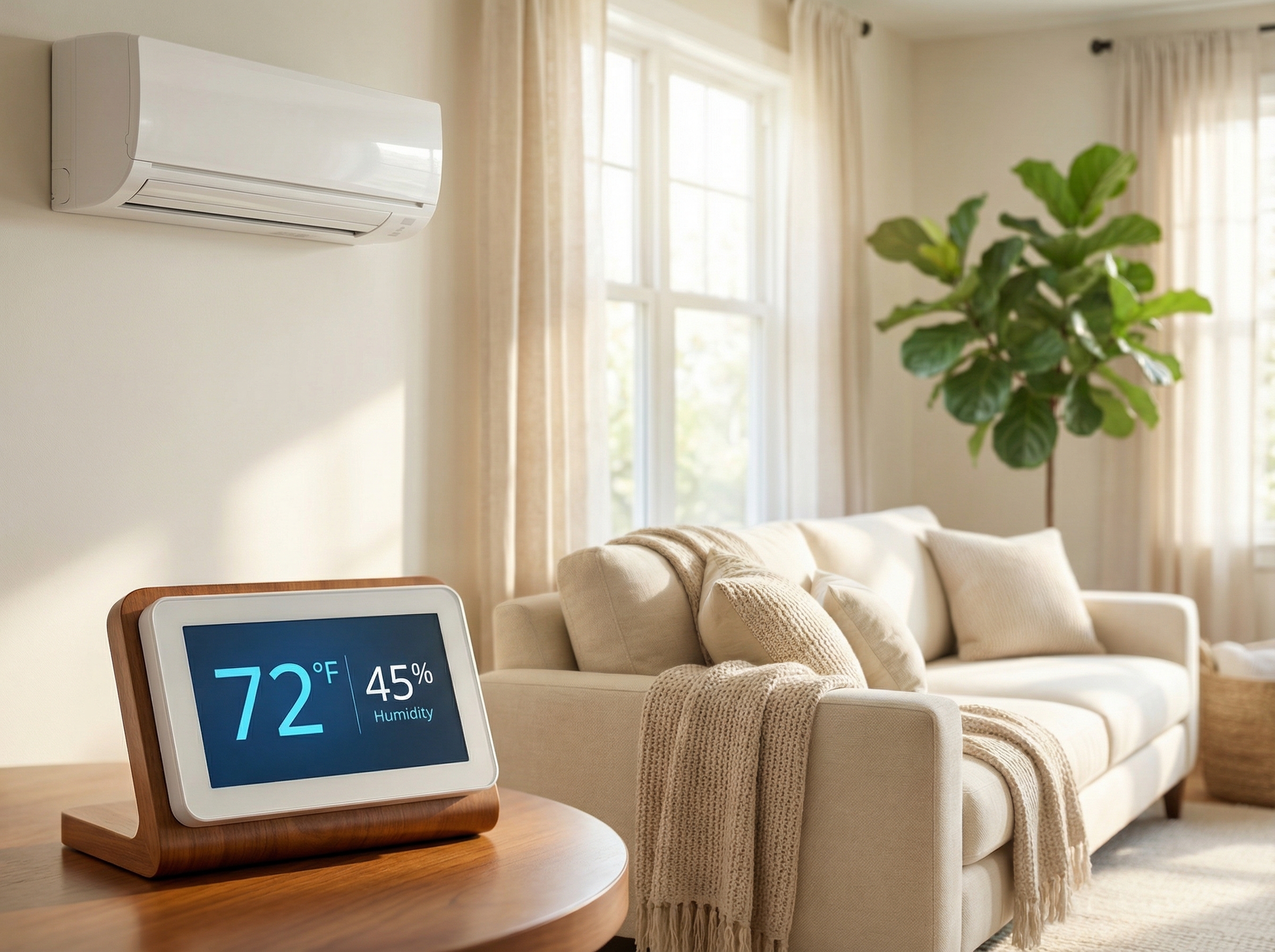
The sweet spot for most occupied homes is a thermostat setpoint of 74 to 78 F. Comfort is not just temperature, it is also humidity. Aim for indoor relative humidity around 40 to 60 percent. If readings sit above about 60 percent during the cooling season, the system likely needs longer run times, better dehumidification, or a dedicated dehumidifier. Think of high humidity like a wet blanket that makes 74 F feel warmer than it is.
Use an inexpensive hygrometer to verify that cooling is controlling both temperature and moisture. Steady, moderately long AC cycles usually remove moisture more effectively than frequent short cycles, which helps maintain comfort and can reduce energy waste by avoiding overcooling to chase humidity.
Limits: When an AC Can't Solve the Problem (Tradeoffs, When ACs Aren't Optimal, and Better Alternatives)
Bigger isn't better with AC. Oversizing often short cycles, leaves the air clammy, and wastes energy. Also, run time by itself is not a failure signal. On the hottest afternoons, a correctly sized system may run most of the day to maintain a reasonable setpoint, which can be normal for the weather.
- Extreme heat: On design days, expect long run times. If indoor targets are still modest, only a modest upsizing should be considered, and only after a proper load calculation confirms the need.
- Hot-dry climates: Evaporative cooling can be a strong alternative. With little latent load, it delivers comfortable air with far lower energy use and simpler hardware than refrigeration cooling.
- Hot-humid climates: The challenge is moisture removal. Oversizing makes humidity worse. Variable speed or two-stage AC increases dehumidification by running longer at lower output. If the space stays muggy at setpoint, add a whole-home dehumidifier to handle the latent load directly.
Envelope upgrades help, but when the core problem is humidity or climate fit, the right alternative or accessory often solves what a larger AC cannot.
Practical Ways to Reduce Strain and Runtime (Maintenance, Insulation, Fans, Shade, and Smart Controls)
- Filters and coils: Inspect or replace filters monthly as needed. Keep the indoor coil and outdoor unit clean and free of debris to maintain airflow and efficiency.
- Outdoor clearance and registers: Maintain 2 to 3 feet of open space around the outdoor unit. Keep supply and return registers open and unblocked.
- Condensate and drain: Confirm the condensate drain is clear and flowing to prevent shutdowns, overflows, and humidity spikes.
- Ducts and insulation: Check ducts for leaks or disconnects and seal with mastic or UL listed foil tape. Insulate ducts in hot attics. Improve attic insulation and seal obvious air leaks.
- Humidity control: If indoor humidity stays high, lower blower speed, enable dedicated dehumidify modes, or add a whole home dehumidifier. Avoid running the blower in �On� during humid weather.
- Reduce heat gain: Use blinds or curtains during peak sun, add exterior shading, and shift oven or large appliance use away from the hottest hours.
- Monitoring and smart tools: Track monthly energy use against similar weather. Use smart thermostat logs to review runtime, cycles per hour, and humidity trends, then fine tune schedules.
Quick Recommendations: How to Judge Your AC and When to Call a Pro
Judge your AC by comfort and energy costs, not runtime alone; long, steady cycles with good temperature and dry air usually mean a healthy, well sized system. On single-stage units it is not working harder per minute, hotter or more humid weather simply extends runtime, while two-stage or variable-speed equipment modulates to match the load. Call a pro if you see short cycling with clammy air, nonstop running without reaching setpoint, icing on lines or coil, water at the air handler, persistent odors, unusual noises, or breaker trips. When you schedule service, request Manual J, S and D, plus checks of charge by superheat and subcooling, coils, blower, external static pressure and duct leakage; if replacing, avoid oversizing in humid climates, favor two-stage or variable-speed with strong dehumidification, and review SEER2 or EER2 with any code impacts. We know deciding to repair or replace is a big call, and our team backs you with wholesale pricing, full warranties and 30+ years of U.S.-based phone support.
- Get a Custom Quote
- Talk to Our Team by phone for sizing and product picks (U.S.-based)
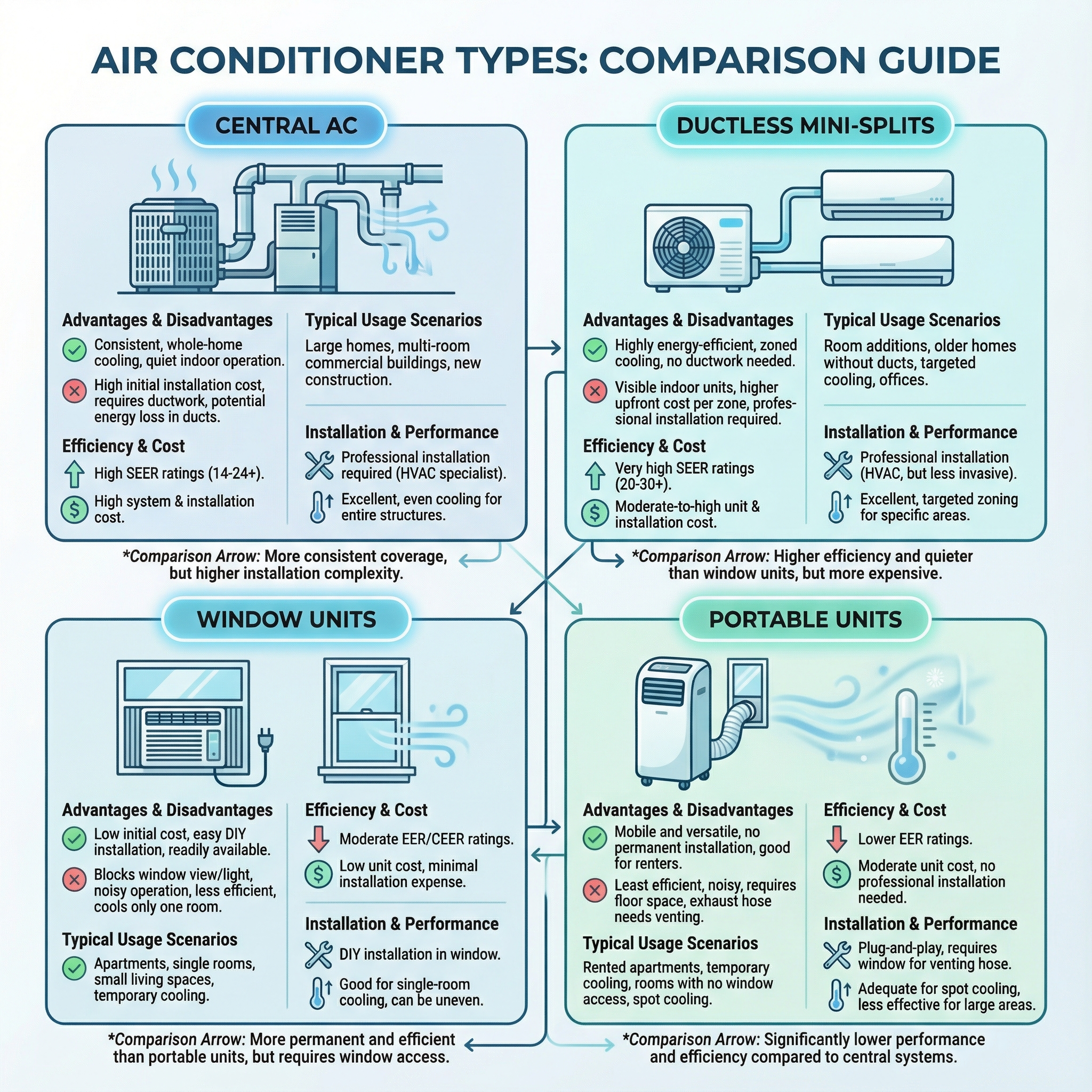
- Shop Central AC, Heat Pumps, or Ductless Mini Splits
- Ask about free shipping on most orders and Affirm financing