




Carbon Monoxide Safety: Why Every Homeowner Should Pay Attention
Carbon monoxide (CO) is a colorless, odorless gas that can turn a comfortable home into a dangerous environment in minutes. It touches daily life: indoor air quality, monthly energy costs, and even the lifespan of heating equipment. Because CO is invisible, it behaves like a hidden water leak in the air, spreading quietly until it becomes a crisis. A clear plan prevents problems, spots issues early, and sets the right response if something goes wrong.
This article explains what CO is and how it forms during incomplete combustion, identifies common sources such as furnaces, boilers, water heaters, fireplaces, gas stoves and dryers, attached garages, generators, and blocked flues, and outlines seasonal routines to stay safe. It is organized around four pillars of protection:
- Smart detection: where to place CO alarms, how to test, and when to replace.
- Professional inspection: venting checks, combustion tuning, and draft verification.
- Safe use: clear vents, proper fuel use, and careful generator and vehicle practices.
- Decisive response: symptoms to recognize and immediate steps when an alarm sounds.
Together, these pillars create a year-round safety net that supports comfort, efficiency, and equipment longevity.
What Is Carbon Monoxide (CO)? The Invisible Gas Every Home Needs to Know
Carbon monoxide is a colorless, odorless, tasteless gas formed when fuels like natural gas, propane, oil, wood, charcoal, gasoline, or coal do not burn completely. That incomplete burn, called incomplete combustion, is the main way CO is created. In the field, it often arises when equipment is poorly tuned, vents are blocked, or combustion parts are damaged, so the flame cannot get enough oxygen to fully convert fuel to carbon dioxide and water.
Because CO provides no smell, color, or taste, people cannot detect it without instruments. Think of a campfire that smolders and smokes instead of burning cleanly, only here the byproduct is an invisible gas that can be dangerous indoors.
What Produces Carbon Monoxide in a House: Common Sources to Watch
In our field work, CO typically shows up when fuel does not burn completely. The everyday culprits include:
- Furnaces and boilers
- Gas water heaters
- Gas ranges and ovens
- Gas clothes dryers
- Wood stoves and fireplaces
- Portable generators
- Charcoal grills
- Gas lawn or garden equipment
- Vehicles or gas powered tools in attached garages
Risk rises when the home cannot vent properly or equipment is out of tune. We often find blocked vents or chimneys caused by snow, lint, leaves, nests, or construction debris. Malfunctioning appliances, like misaligned burners or corroded components, also elevate CO. Using fuel burning devices in enclosed or attached spaces, such as a garage or basement, lets CO drift indoors. Think of the venting system as the home's lungs: if they are clogged, exhaust backs up into living areas.
Health Effects and Signs of CO Poisoning: How to Recognize Exposure
We see carbon monoxide incidents get missed early because the first signs look like a mild flu without fever. Common symptoms include headache, dizziness, nausea, confusion, chest pain, and general flu-like feelings without fever. Symptoms can build like a slow dimmer as exposure increases, and at higher concentrations people can lose consciousness and death can occur.
Not everyone is affected the same way. Infants, older adults, pregnant people, and individuals with heart or respiratory conditions face a higher risk of severe effects even at lower exposure levels. In practice, that means subtle complaints from these groups deserve prompt attention, even if others in the home feel fine. Recognizing this pattern helps homeowners prioritize protection before symptoms escalate.
Placement, Testing, and Maintenance: A Practical CO-Detector and Home Safety Checklist
Here is a homeowner-ready checklist you can use today. In our experience at Budget Heating (BudgetHeating.com), simple habits prevent most CO emergencies.
- Placement: Install UL-listed CO alarms on every level and outside each sleeping area. Add units inside bedrooms where required. Interconnect alarms so one triggers all.
- Testing and replacement: Test monthly with the test button. Replace batteries as directed, or annually if recommended. Replace the entire unit at end of life, commonly 5 to 7 years.
- Immediate response: If an alarm sounds or CO is suspected, move everyone to fresh air outdoors or an open door or window, account for all occupants, call 911 from a safe spot, and do not reenter until cleared.
- Vent and exhaust checks: Keep exterior intakes, exhausts, and chimneys clear of snow, leaves, lint, nests, and debris. Before starting vehicles, clear snow or ice from the tailpipe.
- Safe use: Never heat with an oven or gas range. Do not run vehicles or fuel tools in an attached garage. Operate portable generators outdoors, well away from doors, windows, and vents, commonly at least about 20 feet.
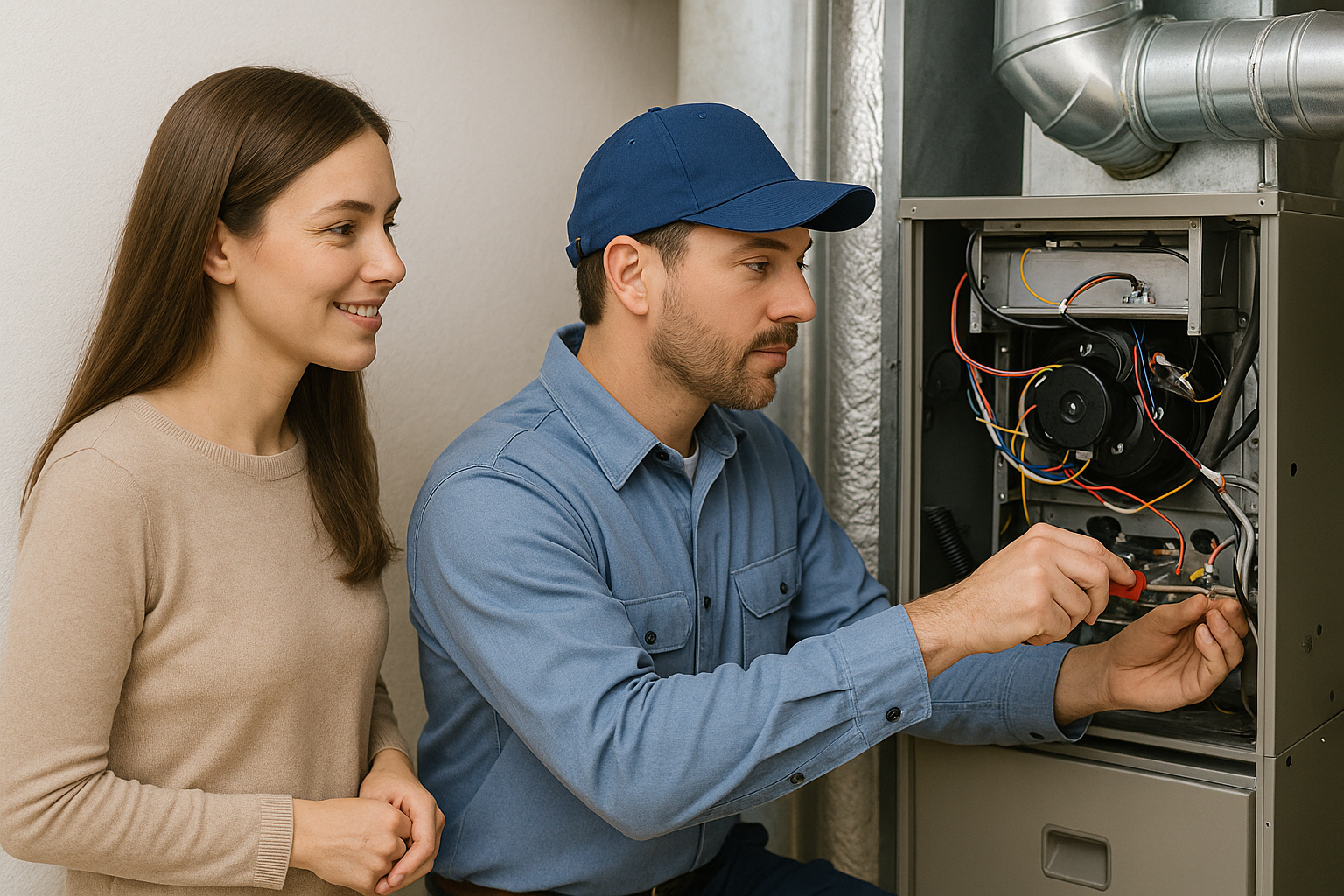
- After service and education: After installing or replacing fuel-burning appliances, have a qualified pro verify venting and combustion safety. Teach the family the alarm sound and keep a log of inspections, service, and replacement dates.
- Seasonal habits: Before heating season and after major storms, retest alarms, confirm vents are clear, and update your log.
Appliance-Level Risks: Furnaces, Water Heaters, Fireplaces, Generators and Vehicles
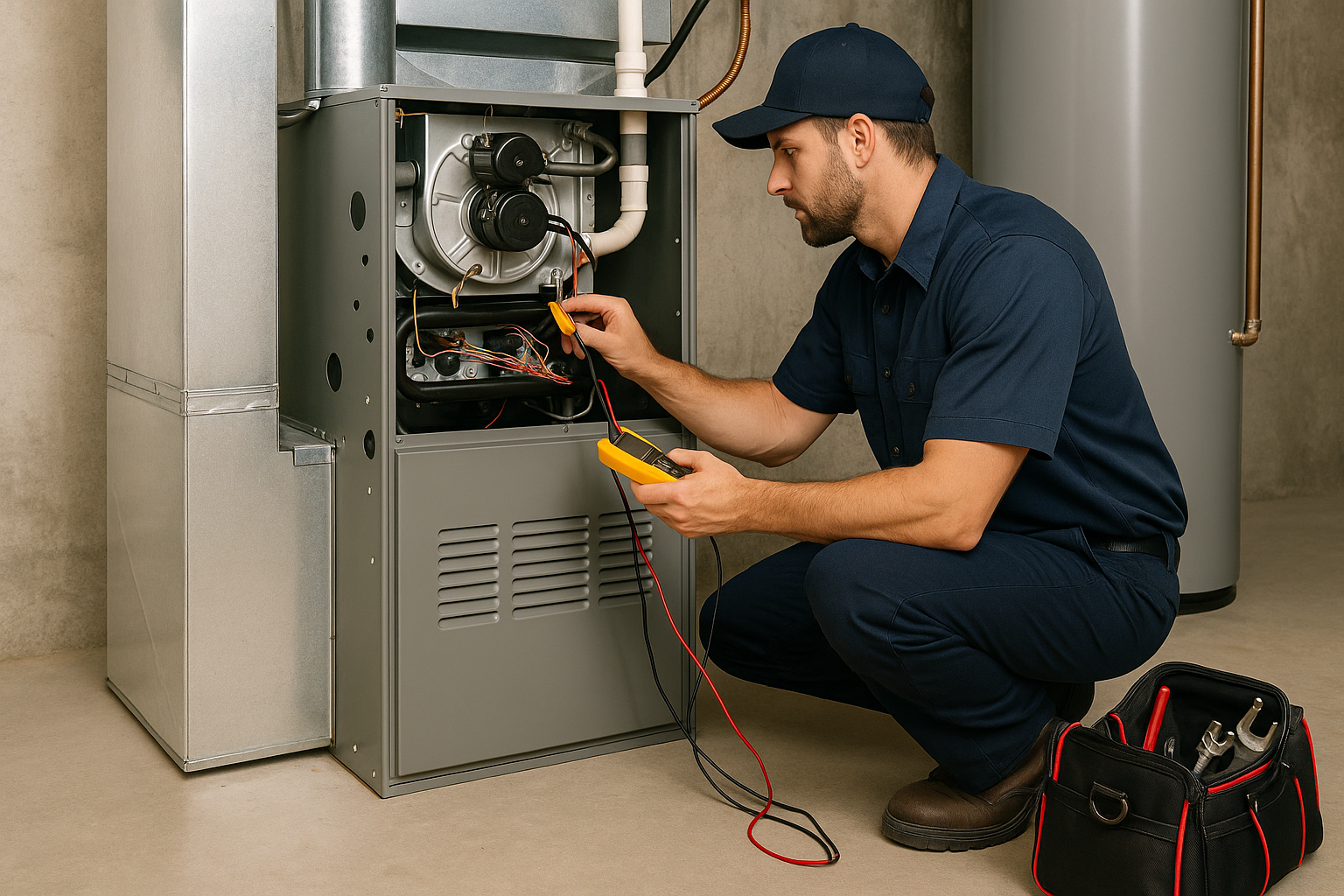
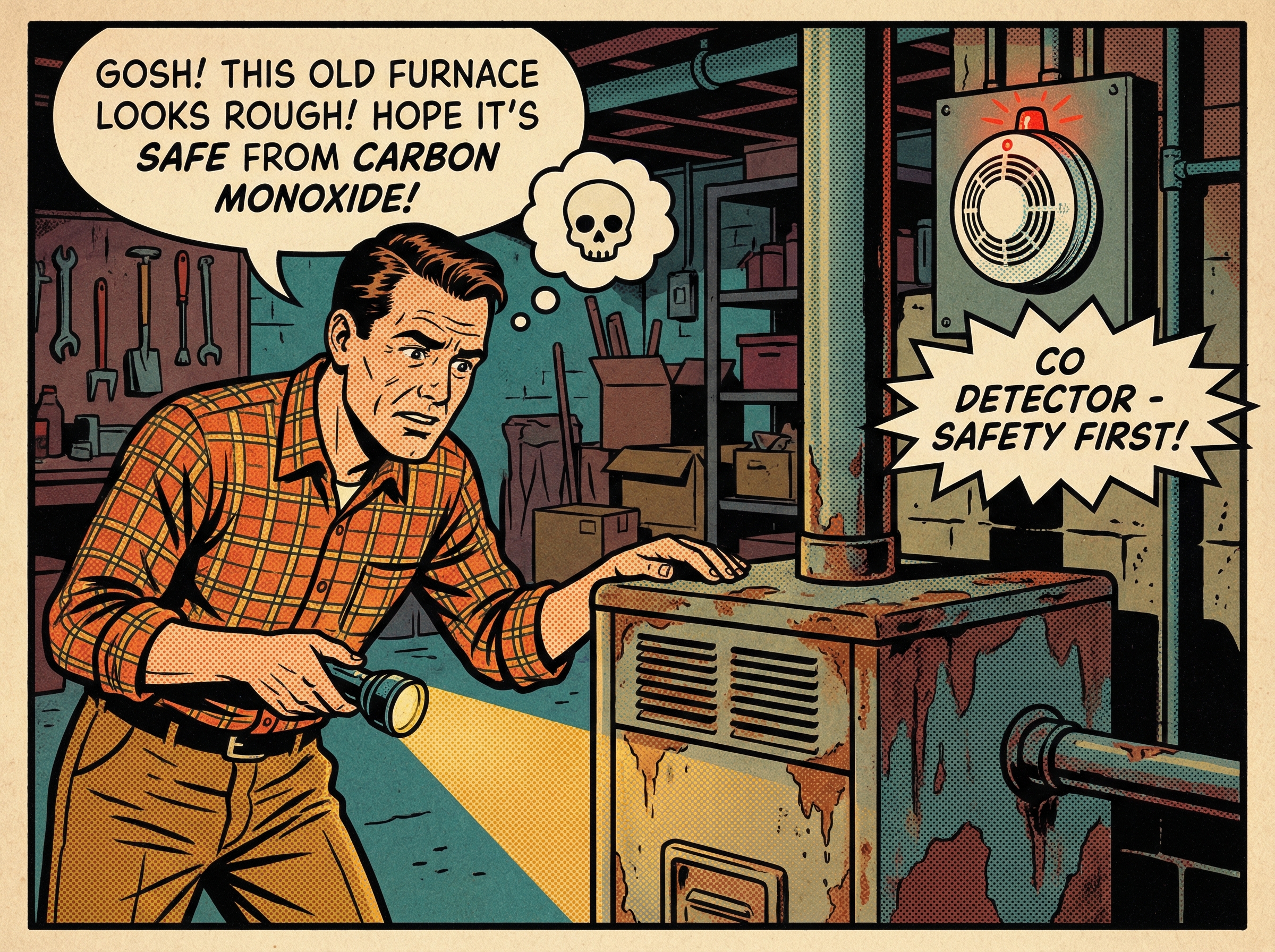
Different appliances fail in different ways, and several of those failures create carbon monoxide. Furnaces and boilers are prime examples: a cracked heat exchanger, rust or corrosion, misaligned burners, or poor draft and venting can leak combustion gases into the home even when the unit still produces heat. In our experience at Budget Heating (BudgetHeating.com), this is often missed until someone notices soot or unusual flame color.
Gas water heaters, especially natural draft models, can backdraft if vents or chimneys are restricted. Think of the vent like a straw, if it is blocked, exhaust comes back into the room. Fireplaces and wood stoves can push CO indoors when the flue is closed or misused, creosote or soot builds up, or draft is weak and reverses.
Portable generators, idling vehicles in attached garages, and any fuel engine in enclosed or semi enclosed spaces can quickly create dangerous CO levels that migrate indoors.
- Soot staining around burners, vents, or the draft hood
- Persistent yellow or orange burner flames on gas appliances
- Frequent pilot light outages
- Lingering combustion odors
These warning signs call for immediate shutdown and professional inspection.
How Carbon Monoxide Is Detected: Why Smoke Alarms Aren't Enough
Most standard smoke alarms do not sense carbon monoxide. Only units listed specifically for CO, or combination smoke and CO models, provide CO protection. Dedicated, UL listed CO alarms are the right tool for the job.
Interconnection matters. When one alarm triggers, all sound for whole home warning and better audibility during sleep.
Know what consumer CO alarms are designed to do. They prioritize life safety from dangerous spikes, and may not alert to very low, long term levels. That is normal behavior, not a defect, so set expectations accordingly.
In our experience at Budget Heating (BudgetHeating.com), treat CO detection like a system. Interconnected alarms are like multiple lights on one switch, the whole house alerts at once.

Choosing the Right Carbon Monoxide Detector: Types, Standards, and Code Requirements
Most model codes, including IRC R315, require CO alarms in homes with fuel burning appliances or attached garages. New construction commonly calls for hardwired, interconnected alarms with battery backup. NFPA 72 now consolidates CO alarm and system requirements that were previously in NFPA 720.
- Battery single station alarms: easy retrofit, no wiring, but you must maintain batteries.
- Hardwired with battery backup: preferred in new builds or remodels, supports interconnection.
- Combination smoke/CO: saves space, verify it meets both smoke and CO listings.
Check listings: residential single or multiple station CO alarms should be UL 2034. Combination smoke/CO must meet UL 217 and UL 2034. System type CO detectors used with panels are typically UL 2075. In our experience at Budget Heating (BudgetHeating.com), many inspectors look for the UL mark on the device label and interconnection where required. Match detector type to your home layout and your local jurisdiction's amendments.

Prevention, Professional Maintenance, and Tradeoffs: When CO Alarms Aren't Enough
In our experience, consumer CO alarms are the seatbelt of combustion safety: essential, but they do not drive the car for you. They are built to warn of acute, life threatening levels, not to track low level, long term exposure. If symptoms linger, use professional combustion testing or a data logging monitor.
- Chronic low level exposure suspected: schedule combustion safety testing or install a system grade monitor with logging.
- High altitude homes or hard to tune appliances: have a pro adjust equipment or consider direct vent or electric replacements.
- Generator heavy periods or outages: use a transfer switch or a standby unit, and run portables outdoors far from openings.
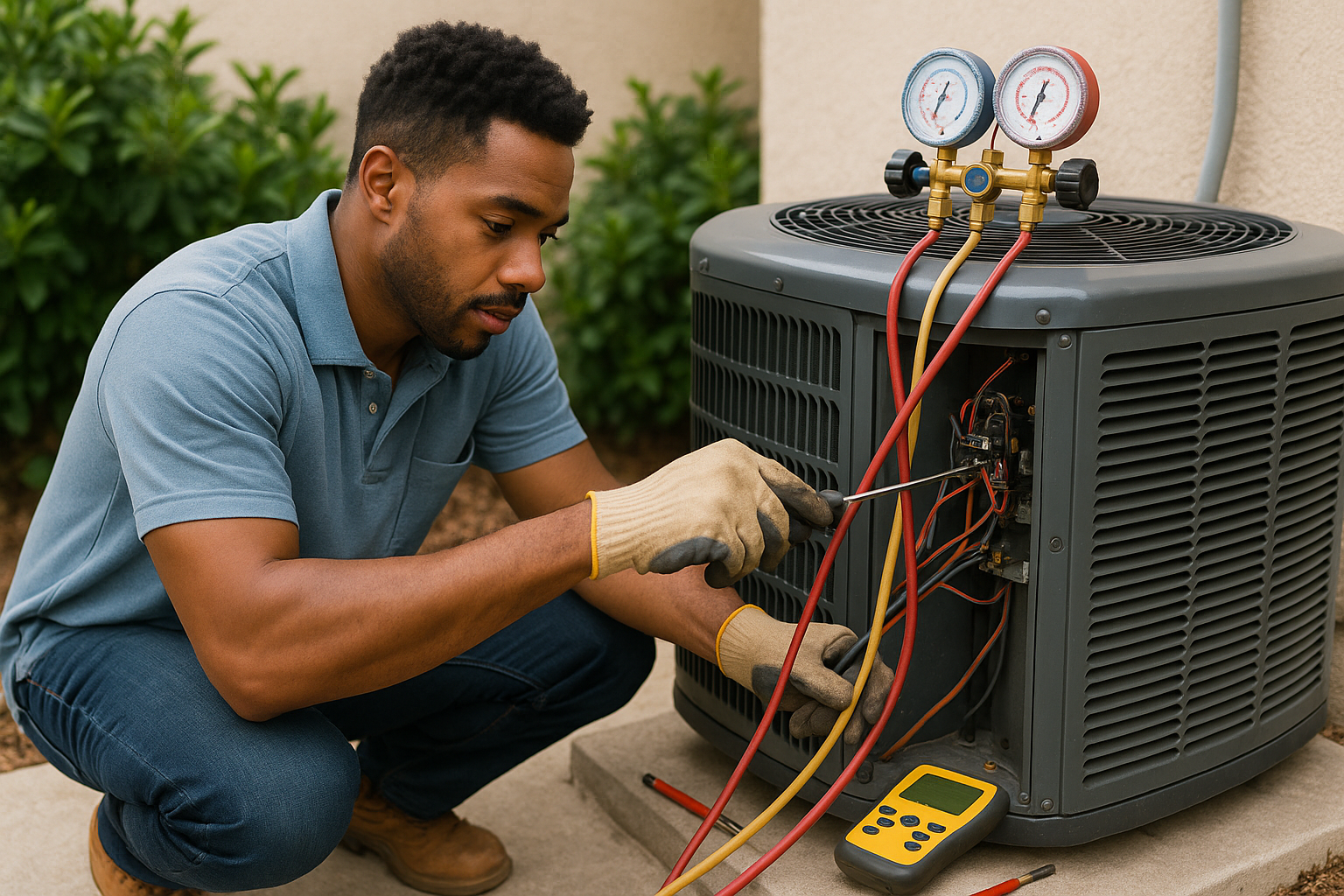
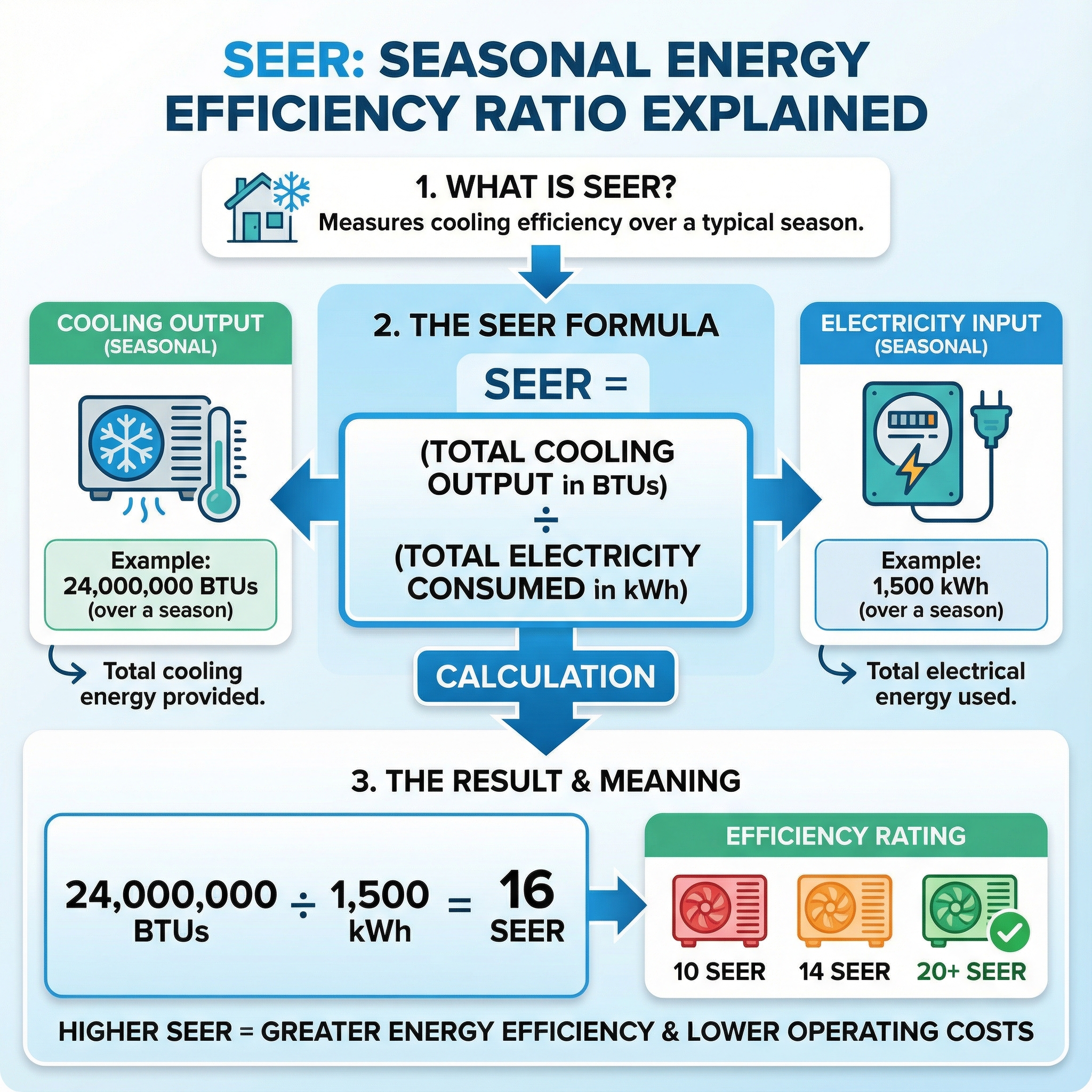
Regular professional maintenance lowers CO risk and typically trims energy use by about 10 to 30 percent, coil cleaning can markedly improve cooling efficiency, and a tuned system may add years of service life. Leave burner tuning, heat exchanger repair, venting changes, refrigerant handling, and electrical work to licensed professionals.
- Smoke alarms do not detect CO.
- You cannot smell CO.
- A yellow burner flame can signal incomplete combustion.
- Never use a gas oven to heat a space.
Takeaway: Simple Steps That Keep Your Home Safe from Carbon Monoxide
Carbon monoxide is invisible and early symptoms can mimic a mild flu, so safety rests on four pillars: install and maintain CO detectors on every level and near bedrooms, schedule professional inspections yearly for fuel-burning appliances and vents, use fuel-fired equipment only as intended, never indoors or in attached garages, and if an alarm sounds, go to fresh air and call emergency services. For deeper guidance, check NFPA resources, your state CO alarm laws, and local health department benchmarks, and know we build those standards into every recommendation from our 30+ years in HVAC.
- Get a Custom Quote: right-sizing, detector placement guidance, code-ready venting options tailored to your home.
- Talk to Our Team: U.S.-based phone support with seasoned HVAC techs and no-pressure advice.
- Shop Heating Equipment: wholesale pricing, free shipping on most orders, Affirm financing available.