




Breathe Easy: How HVAC Air Purifiers Improve Your Indoor Air Quality
Clean indoor air is essential for comfort and health. When you integrate an air purifier into the HVAC system, the equipment becomes a whole home air management setup that treats every room served by the ducts. That means contaminants are captured before they reach sensitive components like coils and duct interiors, airflow stays smoother, efficiency improves, and wear on the system is reduced.
Here is how the whole home purification concept works in practice: the purifier is positioned in the air path, usually where all return air converges. Instead of relying on multiple portable units, the central system filters or treats the entire air stream as it circulates. Dust, pollen, pet dander, smoke particles, and airborne microbes are intercepted upstream, so coils stay cleaner and ducts do not accumulate as much debris. Cleaner coils resist airflow restrictions, which helps the blower run with less strain and supports efficient heating and cooling. Think of it like moving from a room by room approach to a single, central checkpoint for your air, consistent and comprehensive every time the system cycles.
Why Indoor Air Quality Matters: Health, Comfort and Energy Impacts
Cleaner indoor air pays off in three ways: you feel better, your home is more comfortable, and your HVAC equipment runs as it was designed. In our experience, whole home purification eases day to day irritation for allergy and asthma sufferers by reducing airborne triggers, and it cuts the stuffiness and odors that make rooms feel stale. Because it treats all conditioned spaces, it targets a broad range of pollutants throughout the home and works quietly in the background without adding noise.
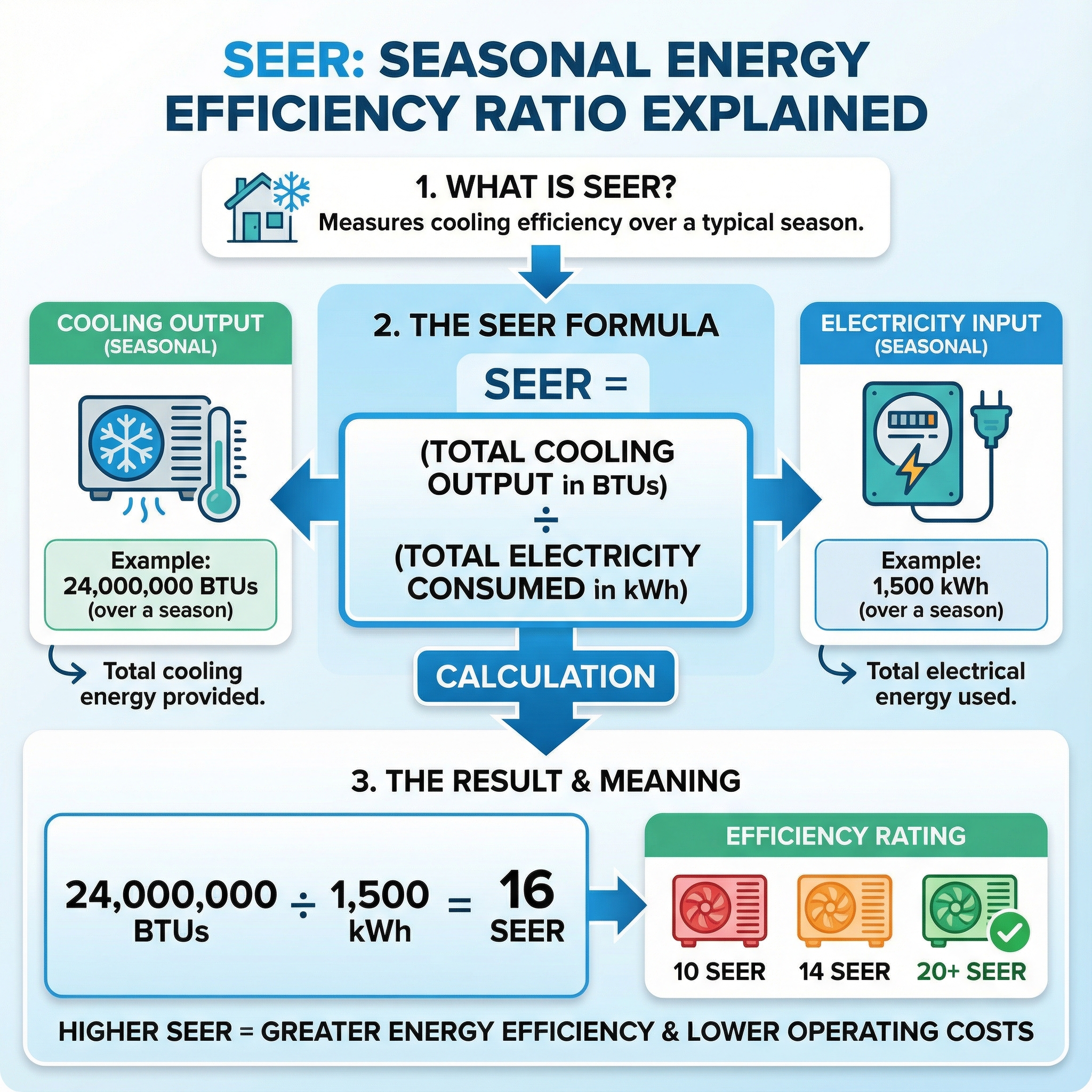
Air quality ties directly to efficiency. SEER and SEER2 rate cooling efficiency over a season, and higher numbers mean lower energy use. A purifier does not change the label SEER or SEER2, but it helps the system keep its rated performance by maintaining clean airflow. By limiting dust buildup on coils and filters, the blower does not have to work as hard, which lowers strain, preserves comfort at the thermostat setpoint, and helps protect equipment for a longer service life.
Whole home units complement your existing filtration rather than replace it. The result is integrated, long term value: better breathing, steadier comfort, and an HVAC system that stays cleaner and more efficient over time.
How HVAC Air Purifiers Work: HEPA, MERV Filters, UV, Activated Carbon and Ionizers
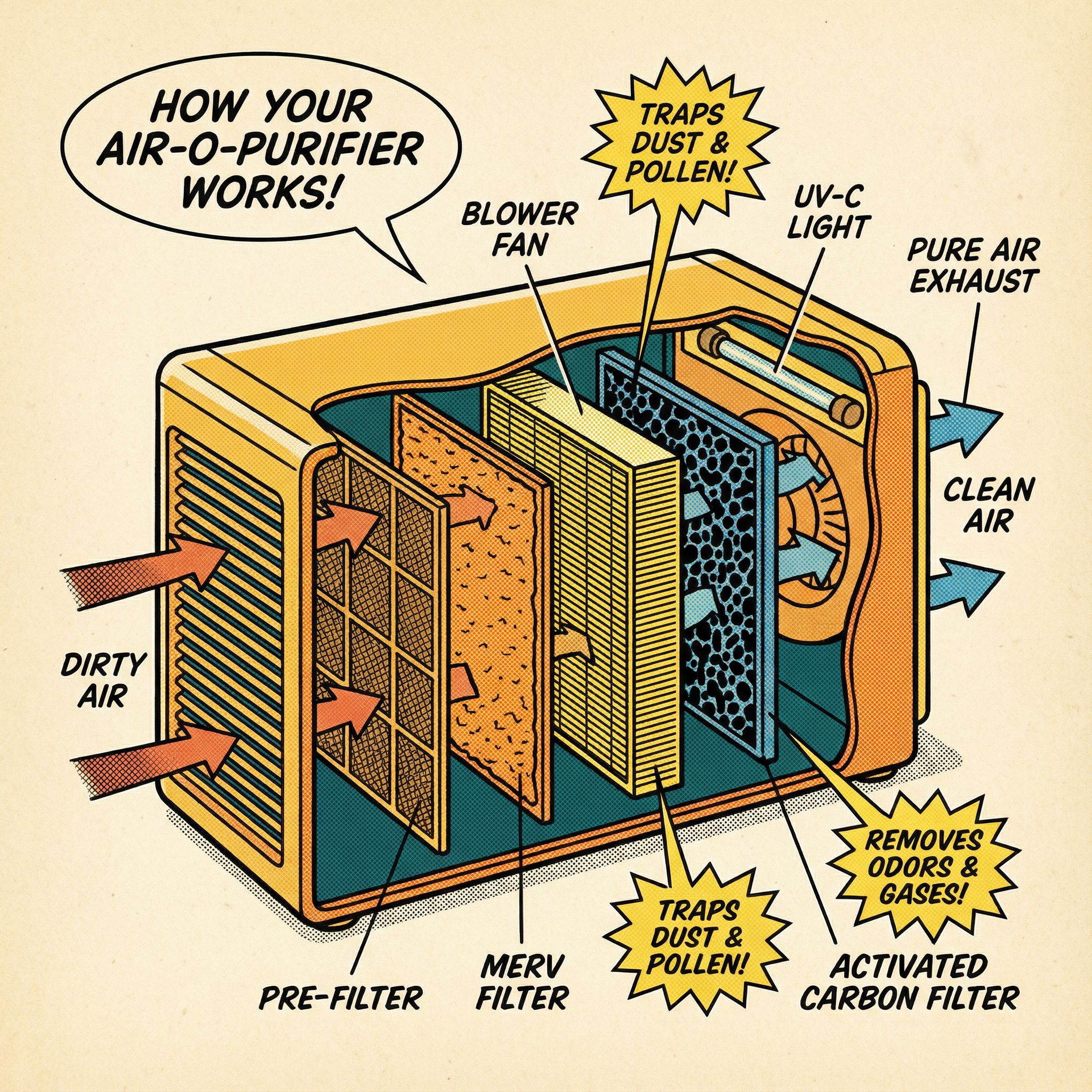
HVAC air purification starts with mechanical filtration. MERV rated media and HEPA rely on dense fibers to capture particles carried by airflow. Think of a good filter as a net that catches fine debris while air passes through. Higher efficiency can improve particle capture, but it also raises static pressure, so the filter area and blower capacity must be matched. Mechanical filters are passive and low risk when kept within airflow limits.
Activated carbon adds a layer that adsorbs gases in the airstream. It is also passive and low risk, provided airflow and contact time are appropriate. UV C lamps target microbes on coil surfaces and in moving air, and should be positioned to irradiate coils and the airstream safely, with wiring installed to code. Electronic ionizers charge particles so they clump or settle, but select low or zero ozone designs. In our experience at Budget Heating (BudgetHeating.com), pairing a quality media filter with coil UV delivers reliable, measurable improvements in real homes.
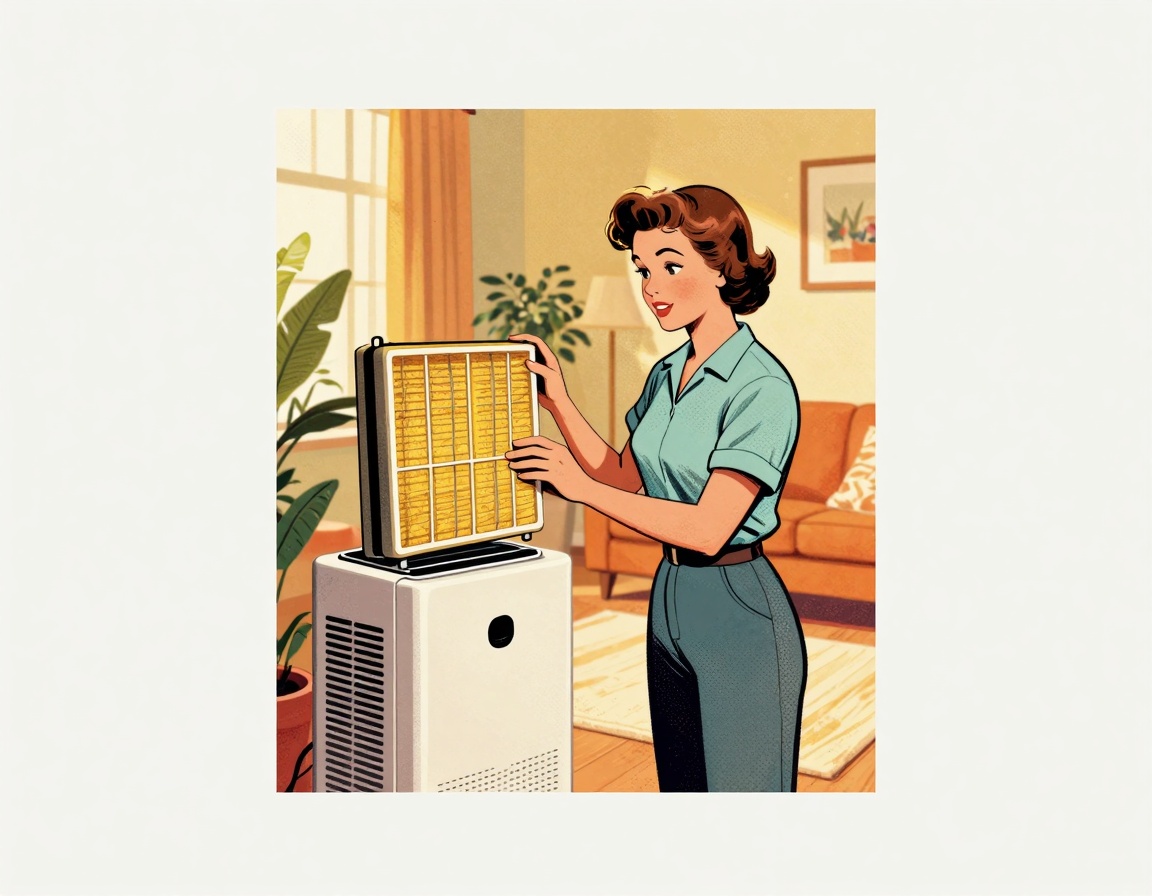
- Replace 1 inch filters every 1 to 3 months.
- Replace 4 to 5 inch media every 6 to 12 months.
- Replace UV bulbs about every 9 to 12 months.
- Check static pressure, keep coils and ducts clean.
Diagnose Your Home’s Air: A Homeowner Checklist to Match Technology to Need
Treat IAQ diagnosis like a doctor’s intake form for your house: collect symptoms, measure, then match the treatment. Use this checklist to zero in on pollutants and prepare for professional recommendations.
- Log symptoms by room and time: odors, dust, congestion, condensation, or visible growth.
- Measure humidity on each level, aiming for 40 to 60 percent year round and noting seasonal swings.
- Run IAQ sensing for a week: PM2.5, VOCs, CO2, temperature, and humidity trends.
- Match tech to pollutants: MERV 13 to 16 for fine particles, UV-C at the coil for pathogens and biofilm, activated carbon for odors and VOCs; whole-home for full coverage, portables for single rooms.
- Verify fit and airflow: confirm filter rack size and depth, available static pressure, and blower capacity; plan clear access and a power source for UV-C.
- Controls and sources: set maintenance intervals, enable alerts or dashboards, and reduce sources with range hoods, sealing leaks, and low-VOC products.
- Contractor questions: predicted pressure drop at your airflow, ozone-free design, media cost, warranty terms, and what will be commissioned.
- Commissioning and verification: confirm airflow and pressure drop, check UV-C indicator, inspect joints for leaks, and compare before and after PM2.5 and VOCs; in smoke-prone areas favor stronger particle control, in humid regions add dehumidification to hold 40 to 60 percent.
Cost, Savings and ROI: Upfront Price, Operating Costs and When to Call an HVAC Pro
Whole-home air purifiers are an upfront purchase with predictable maintenance, mainly filter replacements and, if equipped, UV bulbs. In return, you get incremental energy savings and fewer repair surprises. In our field work, keeping evaporator coils and blower sections cleaner reduces dust load and helps the system move air with less effort, which lowers the chance of nuisance breakdowns.
Cost-effectiveness hinges on three levers: home size, run time, and local utility rates. Homes that run equipment longer or pay more for power typically see better ROI. For budgeting, separate the one-time purchase from recurring parts on a known interval. To estimate operating impact, start with your system's SEER or SEER2 as the baseline, then layer in the modest savings a cleaner system delivers over years. It is time to involve an HVAC professional when ROI depends on those home-specific variables.
What Air Pollutants Will HVAC Purifiers Remove, and What They Can’t
In our field experience, whole home purification addresses airborne particulates most effectively: dust, lint, pet dander, pollen, and fine smoke particles when paired with higher MERV or HEPA media. Microbial load in the airstream can be reduced when systems combine robust filtration with UV or similar add-ons, but this lowers counts rather than sterilizing rooms or surfaces.
Gases and odors are a different category. Activated carbon can lessen many nuisance smells and some VOCs, yet capacity is finite and breakthrough occurs without sufficient media or timely replacement. Purifiers do not fix source issues, moisture problems, or building pressure imbalances.
Bottom line: expect strong capture of particles, meaningful but conditional odor and VOC reduction with carbon, and incremental microbial control in the airstream, not whole house disinfection.
Limitations & Tradeoffs: When HVAC Purifiers Aren’t the Best Choice
In-duct purifiers can help, but they are not cure-alls. We often see three limits: airflow penalties from very high MERV media, potential ozone from some electronic devices, and incomplete removal of gases and odors. Another common misconception is that outdoor air is always dirtier. Many homes actually benefit from controlled ventilation. A single technology will not handle particles, VOCs, and microbes at once. Skipped maintenance also lets filters clog, raising static pressure. Over-relying on small portables while ignoring whole-home sources rarely moves the needle.
- If odors, VOCs, or wildfire gases dominate, standard filters and UV will not capture them. Better options: source control, a tight range hood, carbon adsorbent media, or measured outdoor air via an ERV or HRV.
- If the blower is weak or ducts are restrictive, dense media can choke airflow, like breathing through a thick scarf. Consider moderate MERV with larger filter area, a HEPA bypass unit, or duct improvements.
- If anyone is sensitive to ozone, avoid ionizers or aggressive PCO. Favor ozone-free filtration, humidity control, and targeted portable HEPA in bedrooms.
Choosing the Right System: Climate, Codes, MERV Ratings, HEPA and Carbon Options
Local climate and regulations should guide your purifier selection. In humid regions, pair filtration with dehumidification to curb moisture driven allergens. Aim for MERV 13 to 15 for fine particle control in most homes. HEPA offers higher capture, but often works best as a dedicated or bypass solution to avoid restricting airflow. Choose carbon when odors are a concern. For electronic cleaners, look for CARB listings and UL 2998 zero ozone compliance. DOE energy standards help compare portable units, and SEER2 sets expectations for central HVAC efficiency, so avoid filters that choke airflow. In our experience at Budget Heating (BudgetHeating.com), matching filtration to climate and code keeps air clean without compromising comfort or efficiency.
Practical Room Level Steps to Improve Air Quality: Ventilation, Source Control and Humidity
Room by room fixes build on whole home purification. Think of ventilation like setting a path: stale air out, fresh air in. Use the items you identified in your homeowner checklist and keep your normal filter schedule, then add:
- Kitchen: run the range hood while cooking, use lids, and crack a window if the hood is recirculating.
- Bathroom: switch on the exhaust fan during showers and leave it on after, squeegee tile, hang towels to dry.
- Laundry and hobbies: vent dryers outdoors, store paints and solvents in sealed bins or a shed.
- Humidity: use a dehumidifier in damp rooms and a small humidifier in dry seasons, fix leaks fast.
- Portable purifiers: size to the room area, place off walls and keep doors open for circulation.
Next Steps: Assess Your Home’s IAQ and Choose a Professional Assessment or Upgrade
Integrated HVAC purifiers deliver real IAQ gains when they match your needs and stay within your system’s limits. The smart path is layered: assess current IAQ, control humidity, choose higher efficiency filtration for particles while accounting for added pressure drop, add carbon for odors and chemicals and UV for microbes, verify airflow and static pressure with a contractor before installation, then commit to routine maintenance and simple monitoring.
We know there are a lot of choices, and getting it wrong can mean poor results or excess static that strains your blower.
Our team pairs real-world sizing and compatibility checks with wholesale-accessible pricing, so you get the right solution the first time.
- Get a Custom Quote: We’ll match filters, UV and carbon to your system, verify airflow and static, and map a maintenance plan.
- Talk to Our Team: U.S.-based phone support from HVAC pros with 30+ years in the industry.
- Shop Indoor Air Quality: Factory-authorized IAQ gear with warranties, fast shipping, and financing with Affirm.
Frequently Asked Questions
-
Can an HVAC air purifier remove asbestos or other hazardous fibers from the air?
Standard HVAC filters may capture some fibers, but asbestos control is a specialized safety task, not an air-cleaning add on. We recommend you do not disturb suspected materials and shut the HVAC off to avoid spreading fibers. Only a licensed abatement contractor should handle removal using containment, negative air machines with HEPA, and certified respirators such as P100. In our field experience, homeowners should never rely on HVAC purification alone for asbestos. Get the area tested and professionally abated before reoccupying.
-
Do ionizers or electronic air cleaners produce harmful ozone?
Some ionizers and electronic air cleaners can create ozone as a byproduct, and ozone is a lung irritant. We recommend choosing models certified as zero ozone, look for UL 2998 or California Air Resources Board listing. Ask for independent test data that reports ozone output at typical operating conditions. In homes with children, seniors, asthma, or tight envelopes, we prioritize low or zero ozone designs and use mechanical filtration or UV aimed at coils to avoid adding oxidants to room air.
-
How often should I replace HVAC filters and UV bulbs?
As a rule of thumb, 1 inch filters last about 1 to 3 months. 4 to 5 inch media typically run 6 to 12 months. UV C bulbs lose germicidal output long before they go dark, plan on 9 to 12 months. We adjust schedules based on pets, smoking, renovations, and allergy needs, and we like using pressure drop or IAQ monitors to time changes. Always power equipment off before service, avoid touching UV glass, and follow disposal guidance from the manufacturer.
-
Will adding a whole home purifier reduce my energy bills?
Indirectly, yes. Cleaner coils and ductwork help maintain design airflow and heat transfer, which preserves real world efficiency that would otherwise drift. We commonly see avoided fouling save on the order of single digit percent energy over a season, and it can prevent repairs from iced coils or overheating. The flip side is added pressure drop. Choose low resistance media with sufficient surface area and confirm blower capacity. We verify compatibility using static pressure readings and blower tables before installing.
-
Should I use portable air purifiers in addition to an HVAC integrated system?
Often yes. A whole home purifier treats all circulated air, but a portable HEPA unit shines for targeted rooms, events like wildfire smoke, or a bedroom where the door is closed. We mix approaches when needs are mixed, placing a properly sized CADR portable near the source and running the central fan to distribute clean air. Pair filtration with source control, for example no indoor smoking, exhaust when cooking, and moisture management, and add ventilation as outdoor conditions allow.